Different Bathtub Styles You Should Know About
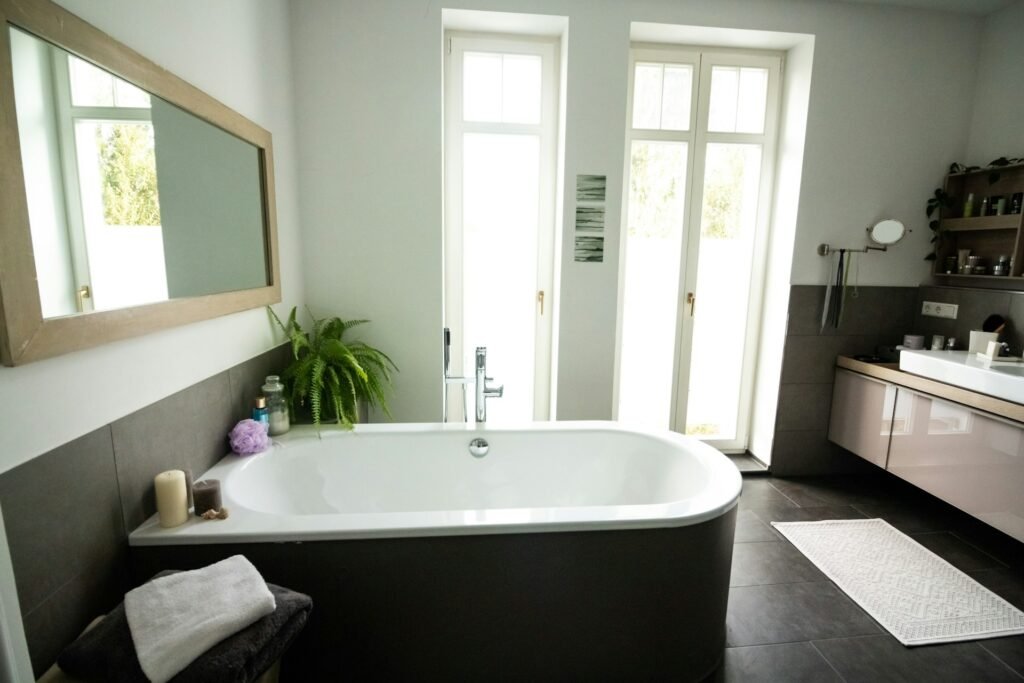
Choosing the right bathtub for our bathroom can significantly impact our daily comfort and the overall look of our space. With various styles available, it’s essential to understand the differences and benefits of each type. When selecting a bathtub, we need to consider factors like space, budget, and personal preferences. Freestanding bathtubs offer a luxurious and eye-catching design that can become the focal point of our bathroom. They are versatile in placement and come in numerous styles and materials. On the other hand, alcove bathtubs are practical and space-efficient, particularly suited for bathrooms with limited space. They often include built-in storage and are ideal for families. Corner bathtubs make effective use of space and can add a unique aesthetic to our bathroom. They provide more bathing space and can be a great choice for relaxation. Lastly, walk-in bathtubs are designed for easy access and safety, making them a perfect option for those with mobility issues or who want a more convenient bathing experience. Understanding the various bathtub styles helps us make an informed decision that fits both our needs and our bathroom’s design. Each type offers distinct advantages, ensuring that we find the perfect match for our home. Let’s dive deeper into the features and benefits of these different bathtub styles. Freestanding Bathtubs Freestanding bathtubs are a stylish and eye-catching choice for our bathroom. These bathtubs are not attached to walls or alcoves, giving them a unique and sophisticated look. They can be placed anywhere in the bathroom, making them a great option for larger spaces. Freestanding bathtubs come in various materials, such as acrylic, cast iron, and stone resin. Acrylic is a popular choice because it is light and affordable. Cast iron, though heavier, retains heat well and provides a classic look. Stone resin offers a luxurious feel but can be more expensive. One advantage of freestanding bathtubs is their range of styles. There are clawfoot designs for a vintage touch and sleek, modern shapes for a contemporary feel. We can choose a style that matches the overall design of our bathroom. Freestanding bathtubs also offer an ideal soaking experience, as they tend to be deeper and more spacious than built-in options. When considering a freestanding bathtub, we should ensure our bathroom floor can support the weight, especially if we choose a heavier material. Proper plumbing and drainage also need to be in place. With the right preparation, a freestanding bathtub can be a beautiful and functional centrepiece for our bathroom. Alcove Bathtubs Alcove bathtubs are a practical and space-saving option that fits snugly into a three-wall enclosure. This makes them ideal for smaller bathrooms where maximising space is important. Alcove bathtubs are commonly used for shower-bath combinations, providing the convenience of both in one unit. These bathtubs are usually rectangular and come in standard sizes, making them easier to install and replace. They are often more affordable than other bathtub styles, making them a good choice for budget-conscious homeowners. We can find models made from materials like acrylic or porcelain-coated steel, which are durable and easy to clean. Alcove bathtubs often include built-in storage, like shelves or ledges, which adds to their practicality. This feature allows us to keep toiletries and bath essentials within reach, enhancing the functionality of our bathroom. Some models also come with additional features like whirlpool jets or built-in seats for added comfort. When choosing an alcove bathtub, we should measure our space carefully to ensure a good fit. It’s also important to consider the height and depth of the tub to make sure it meets our comfort needs. With their compact design and practical features, alcove bathtubs are an excellent choice for smaller bathrooms or for those looking to combine a bath and shower in one unit. Corner Bathtubs Corner bathtubs are an excellent choice for making the most of our bathroom space. These tubs are designed to fit snugly into the corner of the room, freeing up floor space and adding a unique touch. Corner bathtubs can offer more bathing room compared to other tub styles, providing a comfortable and spacious experience. Primarily available in triangular or rounded shapes, corner bathtubs come in various materials like acrylic, fibreglass, and sometimes even stone or cast iron. Acrylic is lightweight and easily maintained, while fibreglass is durable and cost-effective. Those looking for a luxurious option might prefer stone or cast iron, which adds an elegant look to our bathroom. Installing a corner bathtub can create a sense of openness and luxury in our bathroom. Some even come with built-in seating areas or whirlpool features that enhance our bathing experience. These tubs are perfect for those who enjoy longer, more relaxing baths, making our time in the bathroom more enjoyable and spa-like. Walk-In Bathtubs Walk-in bathtubs are perfect for those who require easy access and added safety. These tubs come with a door that opens, allowing us to walk in rather than stepping over the high sides of a traditional bathtub. This feature is especially useful for people with mobility issues, the elderly, or anyone who values convenience and safety. Many walk-in bathtubs also include built-in seating, handrails, and anti-slip flooring, enhancing safety and comfort. These features make it easier to enjoy a relaxing bath without the worry of slipping or needing assistance to get in and out of the tub. They often come with therapeutic features like whirlpool jets and heated seating to add a touch of luxury to our bathing routine. Several sizes and styles of walk-in bathtubs are available, so we can choose one that fits our bathroom layout and personal preferences. While they might require a higher upfront investment, the benefits they provide in terms of safety and comfort make them a worthwhile addition to our home. Final Thoughts Understanding the various styles of bathtubs can help us make a more informed decision when renovating our bathroom or just upgrading our bath area. From the flexible and stylish freestanding bathtubs to the practical and space-saving alcove bathtubs, each type offers
Quick Tips for a Budget Bathroom Makeover
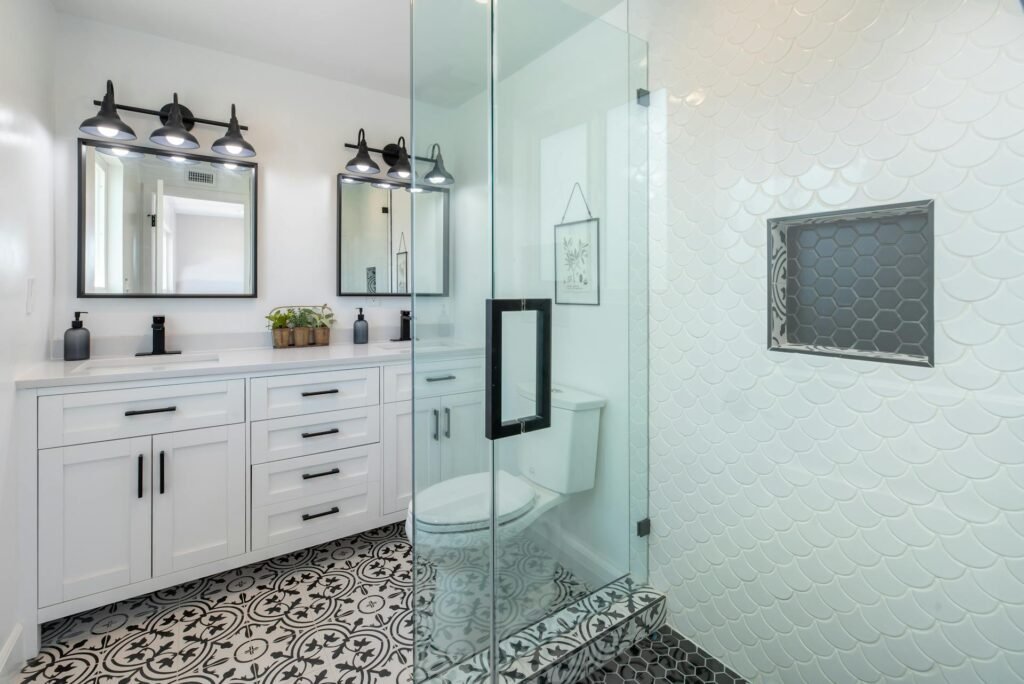
A bathroom makeover doesn’t have to cost a fortune. With clever planning and a few simple changes, we can refresh our bathroom without breaking the bank. Small updates like a fresh coat of paint or new hardware can make a big difference in the look and feel of our space. These changes are easy to do and can be completed in a weekend. Upgrading a bathroom vanity can also be done affordably. There are many budget-friendly options that transform our bathroom into a stylish haven. Similarly, affordable fixtures like toilets, faucets, and mirrors are available that improve functionality and aesthetics. Choosing pieces that balance both style and costs ensures we stay within our budget while achieving the look we desire. DIY projects offer another excellent way to revitalise our bathroom. With some creativity and effort, we can add personal touches that elevate the space and make it uniquely ours. Even with limited funds, we can achieve a beautiful and functional bathroom makeover that adds value and enjoyment to our home. Let’s explore these tips and see how easy it is to transform our bathroom. Refresh with Paint and New Hardware A quick and cost-effective way to refresh our bathroom is by giving it a new coat of paint. Fresh paint can transform the space and make it look brighter and cleaner. Choosing a light colour can make the bathroom feel larger and more inviting. We could go for soft neutrals like white, beige, or light grey, as these shades create a calming atmosphere. In addition to painting, updating the hardware can make a big difference. Replacing old, worn-out hardware with new, stylish pieces is an affordable way to modernise the bathroom. Here are some easy hardware updates we can make: 1. Cabinet Handles and Knobs: Swap out old handles and knobs on cabinets and drawers for modern designs. This quick change can instantly refresh the look of our vanity or storage units. 2. Towel Bars and Hooks: Installing new towel bars, hooks, and rings can add a touch of style and improve functionality. Choose finishes that match the other hardware in the bathroom for a cohesive look. 3. Faucets and Showerheads: Upgrading faucets and showerheads can improve water pressure and give the bathroom a fresh, polished appearance. By combining a fresh coat of paint with new hardware, we can create a revitalised bathroom that looks and feels updated without spending much money. Upgrade Your Bathroom Vanity on a Budget Upgrading the bathroom vanity can make a significant impact on the overall look of the bathroom. We don’t need to spend a lot to get a stylish and functional vanity. Here are some budget-friendly options to consider: 1. Refurbish Existing Vanity: If our current vanity is in good condition, we can give it a new look with paint and updated hardware. Sanding it down and adding a fresh coat of paint or stain can make it look brand new. Adding new handles or knobs can also make a big difference. 2. Pre-Fabricated Vanities: Pre-fabricated vanities are an affordable option that comes in various styles and sizes. They often include the countertop and sink, making them easy to install and cost-effective. 3. Open Shelving: For a modern and airy feel, consider replacing closed cabinets with open shelving. This option is usually cheaper and can be installed with basic DIY skills. Open shelves provide storage space and give the bathroom a contemporary look. 4. Second-Hand Finds: Look for second-hand vanities or cabinets at thrift stores, online marketplaces, or garage sales. A little TLC can transform these pieces into stylish and budget-friendly options. Upgrading the bathroom vanity doesn’t have to be expensive. With a few creative solutions and some handy work, we can achieve a fresh and updated look without breaking the bank. Affordable Fixtures: Toilets, Faucets, and Mirrors That Make a Difference One of the easiest ways to upgrade our bathroom on a budget is by replacing old fixtures with new, affordable ones. These changes can dramatically improve the bathroom’s appearance and functionality. 1. Toilets: Toilets come in a range of prices and styles. We can find budget-friendly options that still offer great performance and efficiency. Look for toilets with water-saving features to help reduce our water bill while being environmentally friendly. 2. Faucets: Replacing outdated or leaky faucets with modern designs can enhance the look of our bathroom sink and bathtub. Budget-friendly faucets come in different finishes like chrome, brushed nickel, and matte black. Choose a finish that matches the other fixtures in the bathroom for a cohesive look. 3. Mirrors: Mirrors can make a big difference in our bathroom. An updated mirror adds style and can make the space feel larger. There are many affordable options, from frameless mirrors to those with decorative frames. If we already have a mirror, consider framing it with decorative moulding for a quick update. By focusing on key fixtures like toilets, faucets, and mirrors, we can make our bathroom look updated and stylish without a big investment. These changes are practical and improve our bathroom’s overall functionality. Clever DIY Ideas for a Stylish Bathroom Transformation DIY projects can help us achieve a stylish bathroom makeover without spending much money. With some creativity and effort, we can add personal touches that elevate the space. Here are some DIY ideas to consider: 1. Wall Art and Decor: Create our own wall art or repurpose items we already have. Simple artwork or framed prints can add beauty to our bathroom. We can also use floating shelves to display decor like candles, plants, or small sculptures. 2. Tile Stickers: If we’re not looking to replace old tiles, tile stickers offer a quick and affordable solution. These peel-and-stick decals come in various patterns and can be applied directly over existing tiles to give them a new look. 3. Storage Solutions: Building or installing simple storage solutions can tidy up our bathroom and add style. Consider adding a ladder shelf for towel storage or creating under-sink organisers from recycled boxes.
Water-Efficient Bathrooms: Achieving Luxury and Sustainability in Your Renovation
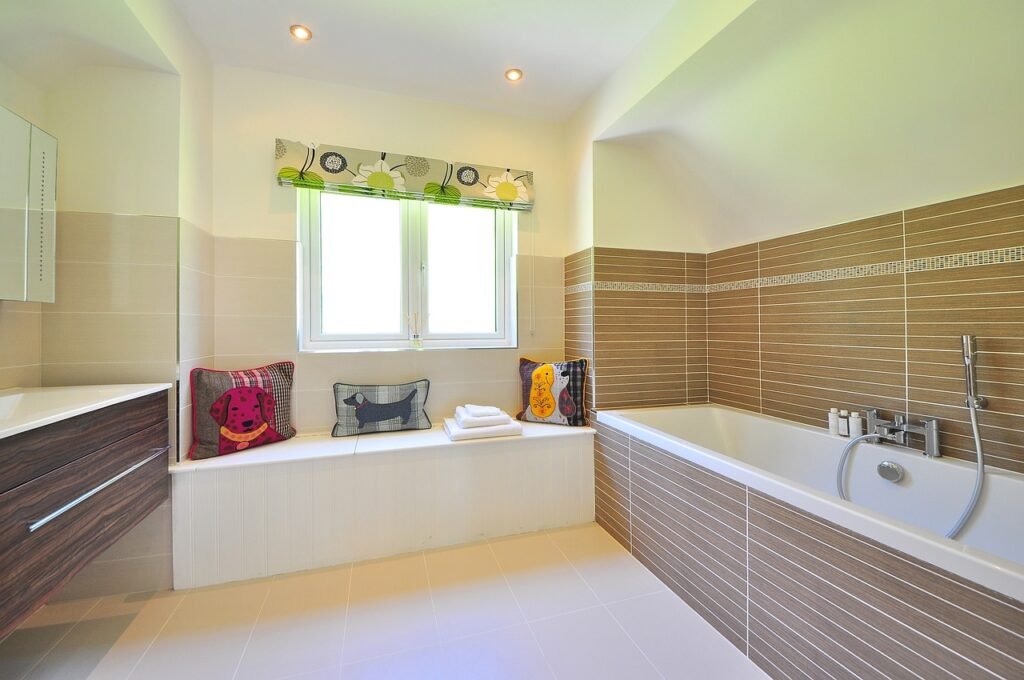
In today’s environmentally conscious world, the notion of luxury has evolved to incorporate sustainability and eco-friendly practices, particularly in bathroom renovations. A truly luxurious bathroom is one that not only boasts indulgent design and high-end amenities but also demonstrates a commitment to conserving water and energy resources. This combination of luxury and sustainability is perfectly attainable, as modern solutions can effortlessly merge both concerns into a harmonious and eco-friendly bathroom design. In this blog, we will explore the various ways in which you can create a luxurious bathroom that is also sensitive to the environment. By focusing on water-saving solutions and energy-efficient products, your renovated bathroom will not only reduce your environmental footprint but also save you money on utility bills. From selecting water-efficient fixtures and taps to incorporating best practices in bathroom design and layout, you can achieve a luxurious bathroom oasis that exudes sustainability and style. Throughout this blog, we will share expert advice and insights on how to incorporate water-saving features into your bathroom renovation, ensuring that your design caters to modern environmental concerns without compromising on style or functionality. With the help of innovative solutions and products available at CARGO Bathroom & Kitchen, you can bring your vision of a luxurious, eco-friendly bathroom to life. Join us as we delve into the many facets of creating a water-efficient bathroom that facilitates relaxation, indulgence, and a sustainable future. Let us embark on a journey to design a space that not only provides the ultimate indulgent experience but also contributes to a greener future for generations to come. Choosing Water-Efficient Fixtures and Tapware One of the most significant ways to incorporate water efficiency into your bathroom renovation is through the use of water-saving fixtures and tapware. Here are some ideas to consider: Dual-Flush Toilets: With two flushing options, dual-flush toilets can drastically reduce water consumption by using less water for liquid waste and more for solid waste. These toilets are both environmentally friendly and cost-effective. Low-Flow Showerheads: Low-flow showerheads are designed to reduce water usage without compromising water pressure, ensuring an enjoyable shower experience. Look for showerheads with the Water Efficiency Labelling and Standards (WELS) rating to ensure they meet Australian water-saving benchmarks. Water-Efficient Faucets: Opt for water-efficient taps for your bathroom sink and bathtub, which can significantly reduce water consumption by controlling the flow rate. Similar to showerheads, choose faucets with the WELS rating to guarantee water efficiency. Embracing Eco-Friendly Materials Using eco-friendly materials in your bathroom renovation can contribute to your overall sustainability goals. Consider these options for a more environmentally conscious design: Recycled Content: Choose bathroom materials that contain a high percentage of recycled content, like recycled glass tiles for your bathroom walls or reclaimed timber for your vanity. Sustainable Products: Opt for products made from renewable or sustainably sourced materials, such as bamboo flooring or linens made from organic cotton. Low VOC Paints: Select bathroom paints with low or zero volatile organic compound (VOC) levels, as they emit fewer harmful chemicals into the air, contributing to better indoor air quality and a healthier environment. Smart Design Strategies Implementing smart design strategies in your bathroom renovation can significantly increase overall water efficiency. Consider the following tips to improve design and sustainability: Greywater Recycling System: Adding a greywater recycling system to your bathroom design can help capture and reuse water from the shower and sink, reducing your reliance on fresh water for landscaping or toilet flushing. Zoning: Create separate spaces in your bathroom for different activities (e.g., showering, bathing, grooming), effectively making it easier to manage water usage and maximise energy and water efficiency. Proper Ventilation: Ensure adequate ventilation in your bathroom design to prevent mould growth, improve air quality and decrease the need for energy-intensive dehumidifiers or constant air conditioning. Energy Efficiency and Conservation Focusing on energy conservation is another essential aspect of creating a sustainable, luxury bathroom. Here’s how to integrate energy-saving practices within your design: LED Lighting: Replace traditional incandescent or halogen bulbs with energy-efficient LED lighting to conserve energy, reduce electricity bills, and produce less heat in the bathroom. Solar Water Heating: Considering solar water heating systems for your bathroom can be a great way to harness renewable energy sources while reducing water heating costs. Motion Sensors: Install motion sensor lighting or timers in areas with low foot traffic, such as powder rooms or guest bathrooms, to minimise unnecessary electricity consumption. Conclusion Achieving a luxurious, water-efficient bathroom that aligns with modern sustainable practices is achievable with the right design approach, product selection, and commitment to eco-friendly goals. By incorporating water-saving fixtures, eco-friendly materials, smart design strategies, and energy conservation methods, you can create a bathroom sanctuary that not only offers relaxation and indulgence but also fosters a greener future. At CARGO Bathroom & Kitchen, we are dedicated to helping you design a luxurious and sustainable bathroom that meets your needs and preferences while reducing environmental impact. Explore our range of water-efficient products and receive expert guidance in creating the perfect balance between luxury and sustainability for your bath and kitchen remodelling project.
Small Bathroom Renovations: Design Tips and Tricks for Maximising Space
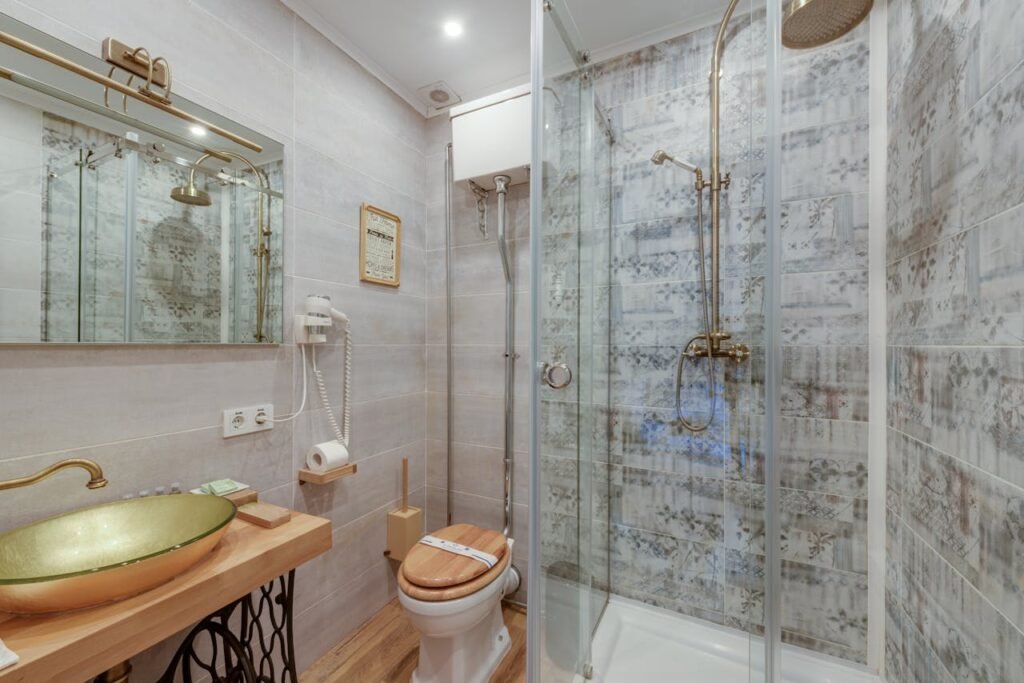
Working with limited space in a bathroom renovation can present a challenge, yet with savvy design ideas and practical solutions, it is entirely possible to create a stylish and functional oasis in even the most compact bathroom. Knowing how to make the most of every square inch, while still incorporating your desired features and aesthetics, is a valuable skill in achieving a successful small bathroom renovation. In this blog, we will provide valuable insights, design tips, and innovative ideas to help you transform your small bathroom into a practical and visually appealing space. We will delve into the world of space-saving fixtures, intelligent layout choices, and clever storage solutions that can make a world of difference in your small bathroom makeovers. Additionally, we will discuss how to utilise light, colour, and materials to enhance the perception of space, ultimately creating a visually larger, brighter, and more inviting environment. Join us as we guide you through the process of mastering small bathroom renovations, empowering you with the knowledge and expertise to make the most of your compact space. With insights and suggestions from the team at CARGO Bathroom & Kitchen, you’ll be well equipped to navigate the challenges of creating a beautiful and functional sanctuary in even the smallest of spaces. Space-Saving Fixtures and Fittings Selecting the right fixtures and fittings can significantly impact your small bathroom’s functionality and appearance. Keep the following options in mind when planning your renovation: Wall-Hung Toilets: Wall-hung toilets can save valuable floor space while offering a sleek, contemporary design. Opting for a concealed cistern can further enhance the minimalist aesthetic and free up additional room. Corner Sinks and Vanities: Maximise space utilisation by installing corner sinks or vanities, allowing for efficient use of typically underutilised areas. Combination Units: Multi-functional combination units, such as a shower and bath combo or a vanity with built-in storage, can help save space while ensuring you have all the essential amenities. Intelligent Layout and Design Choices A thoughtfully designed layout can make a considerable difference in making the most of your small bathroom space. Consider these layout tips for your renovation: Wet Room Design: Eliminate the need for separate shower enclosures or screens by adopting a wet room design, where the entire bathroom is waterproofed. This creates a more open, seamless space, allowing for improved mobility and visual continuity. Pocket Doors: Replace the traditional swinging door with a space-saving pocket door, which slides into the wall cavity rather than taking up valuable floor space when opened. Mirrored Walls: Utilise large mirrors or mirrored surfaces to create the illusion of a more expansive, brighter space by reflecting light and visually doubling the bathroom’s dimensions. Clever Storage Solutions Employing smart storage solutions can keep your small bathroom organised and clutter-free, contributing to a more spacious feel. Keep the following storage ideas in mind: Vertical Storage: Make the most of your limited space by installing vertical storage options such as tall cabinets, open shelving, or wall-mounted rails to save floor space and keep essentials within reach. Built-In Storage: To maximize available space, incorporate built-in storage solutions like recessed shelving in the shower area or custom-fit cabinetry below the sink. Multi-Purpose Furnishings: Consider investing in multi-purpose storage solutions like vanity stools with hidden compartments, wall-mounted soap dispensers, or toilet roll holders with integrated shelves to store and organise frequently used items. Utilising Light, Colour and Materials Strategic use of light, colour, and materials can contribute to creating the impression of a larger space in your small bathroom. Consider the following tips: Light and Neutral Colours: Utilising light, neutral colours like beige, grey, or white creates a sense of openness and can make a small bathroom feel larger. You can introduce contrast or accents through accessories, tiles, or fixtures to add depth and interest. Effective Lighting: Incorporating well-placed, layered lighting can dramatically enhance the perception of space in your bathroom. Combine ambient, task, and accent lighting to create the illusion of depth and dimension. Large Tiles: Employing large tiles on the floor and walls can make your bathroom feel more expansive by creating fewer grout lines and drawing the eye along continuous surfaces. Conclusion Designing a small bathroom can be a rewarding challenge, providing an opportunity to discover innovative solutions and showcase your creativity. By utilising space-saving fixtures, intelligent layout choices, clever storage solutions, and strategic use of light, colour, and materials, it’s possible to maximise your compact space and create a stylish, functional bathroom sanctuary. At CARGO Bathroom & Kitchen, our team of experts is here to guide you through every step of your small bathroom renovation journey. Contact us today to explore our range of space-saving products and tap into our wealth of knowledge and experience, ensuring your small bathroom transformation is a resounding success.
Easy Steps to Pick the Best Bathroom Vanity
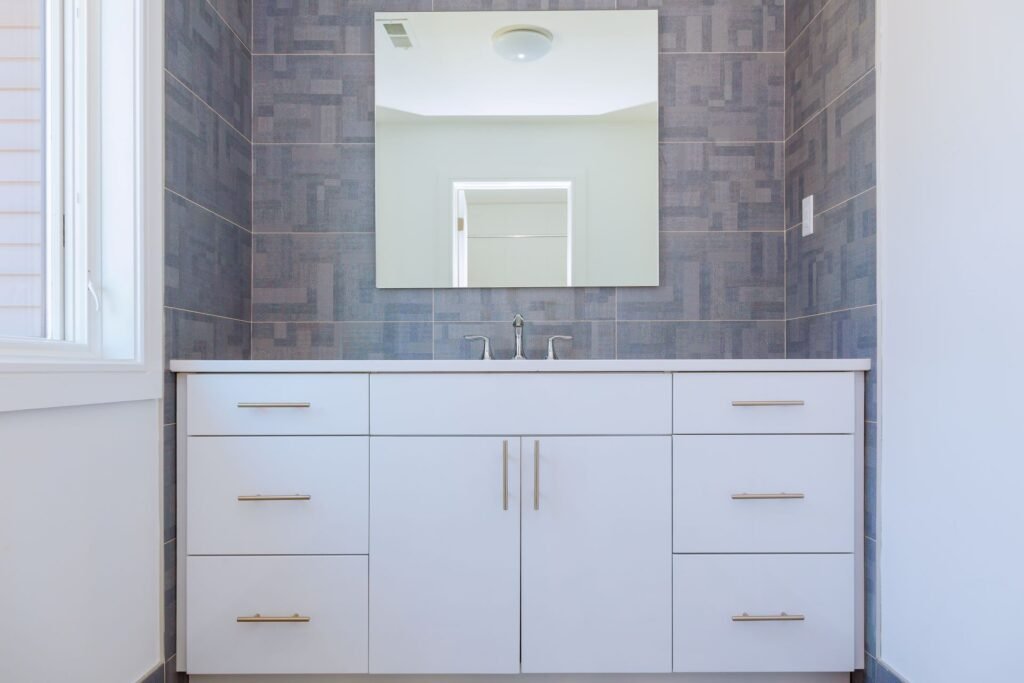
Choosing the perfect bathroom vanity can seem like a daunting task, but it doesn’t have to be. With a few simple steps, we can find a vanity that fits our space, suits our style, and meets our storage needs. The right vanity not only improves functionality but also enhances the overall look of the bathroom. First, understanding the layout and space of our bathroom is crucial. Measuring the space accurately ensures the vanity will fit perfectly without crowding the room. Next, selecting the right style and material is important to match the rest of the bathroom decor. Whether it’s a modern floating vanity or a classic freestanding one, the style sets the tone for the entire space. Storage is another key consideration. We need to think about how much storage we require and what features will help keep our bathroom organised. Finally, choosing the right sink, faucet, and hardware adds the finishing touches that complete the look. These elements can match or contrast with the vanity to create a cohesive design. By following these steps, we can easily pick a bathroom vanity that looks great and works well for our needs. Determine Your Bathroom Space and Layout The first step in picking the best bathroom vanity is understanding the space and layout of our bathroom. Accurate measurements are essential. We must measure the width, depth, and height of the available space to ensure the vanity fits perfectly. It’s crucial to consider the door swing and clearance around other fixtures, like the toilet and shower, to avoid any tight spots. Think about the bathroom’s layout and how the vanity will fit into the design. For smaller bathrooms, a compact or corner vanity can save space while still providing storage. In larger bathrooms, a double vanity can offer more room for two people to use the space simultaneously. Understanding our bathroom’s layout helps us choose a vanity that enhances the room’s functionality and flow. Choose the Right Vanity Style and Material The style and material of the vanity play a significant role in the overall look and feel of the bathroom. We can choose from various styles, including modern, traditional, and transitional. Floating vanities, which are mounted on the wall and have open space beneath, give a sleek and modern look. Freestanding vanities, which sit on the floor, offer a more classic appearance and can suit both contemporary and traditional designs. Selecting the right material is equally important. Common materials include wood, metal, and laminate. Solid wood vanities are durable and bring a natural warmth to the bathroom. Metal vanities provide a more industrial look and are often very durable. Laminate and MDF (medium-density fibreboard) are budget-friendly options that come in various finishes. By combining the right style and material, we can choose a vanity that complements the rest of the bathroom decor and meets our specific needs. Decide on Storage Needs and Features Storage is a key factor when selecting a bathroom vanity. We all need a place to store toiletries, towels, and other essentials. First, we need to assess how much storage space we require. For a minimalistic look, we might prefer a vanity with sleek drawers and cabinets that keep everything hidden. On the other hand, open shelving can offer quick access to frequently used items and add a decorative touch. Consider the specific features that can improve organisation. Soft-close drawers and doors prevent slamming and offer a quiet, smooth operation. Adjustable shelves inside cabinets can accommodate different item sizes. Some vanities come with built-in organisers or dividers for better sorting of small items like brushes and makeup. By choosing the right storage options, we can keep our bathroom clutter-free and functional. Select the Perfect Sink, Faucet, and Hardware The sink, faucet, and hardware are the finishing touches that complete the look of our bathroom vanity. There are several types of sinks to choose from, including undermount, vessel, and integrated sinks. Undermount sinks are installed below the countertop for a seamless look, while vessel sinks sit on top of the counter and serve as a striking focal point. Integrated sinks are built into the countertop material and offer a clean, modern appearance. Faucet styles vary widely, from traditional to contemporary designs. It’s essential to match the faucet with the sink type for proper installation and functionality. Single-hole faucets are common for vessel sinks, whereas widespread faucets are more suited to larger countertops. When it comes to hardware, handles and knobs come in various finishes like chrome, brushed nickel, and matte black. Matching the hardware with the faucet finish creates a cohesive look. The right combination of sink, faucet, and hardware adds both style and functionality to our bathroom vanity. Conclusion Choosing the best bathroom vanity involves careful consideration of our space, style, storage needs, and the finishing touches like sinks and hardware. By understanding our bathroom layout, we ensure a perfect fit and smooth flow. Selecting the right style and material enhances the aesthetic appeal, while thoughtful storage options help keep the area organised. The final selection of sink, faucet, and hardware brings the whole look together, making our bathroom both beautiful and practical. At CARGO Bathroom & Kitchen, we provide a wide range of accessories and bathroom vanities in Melbourne to help you create your dream space. Our team is here to guide you through every step of the process, from planning to installation. Visit our website or contact us today to start your bathroom renovation journey with us. We look forward to helping you transform your space into something extraordinary.
Different Types of Bathtubs and How to Choose One
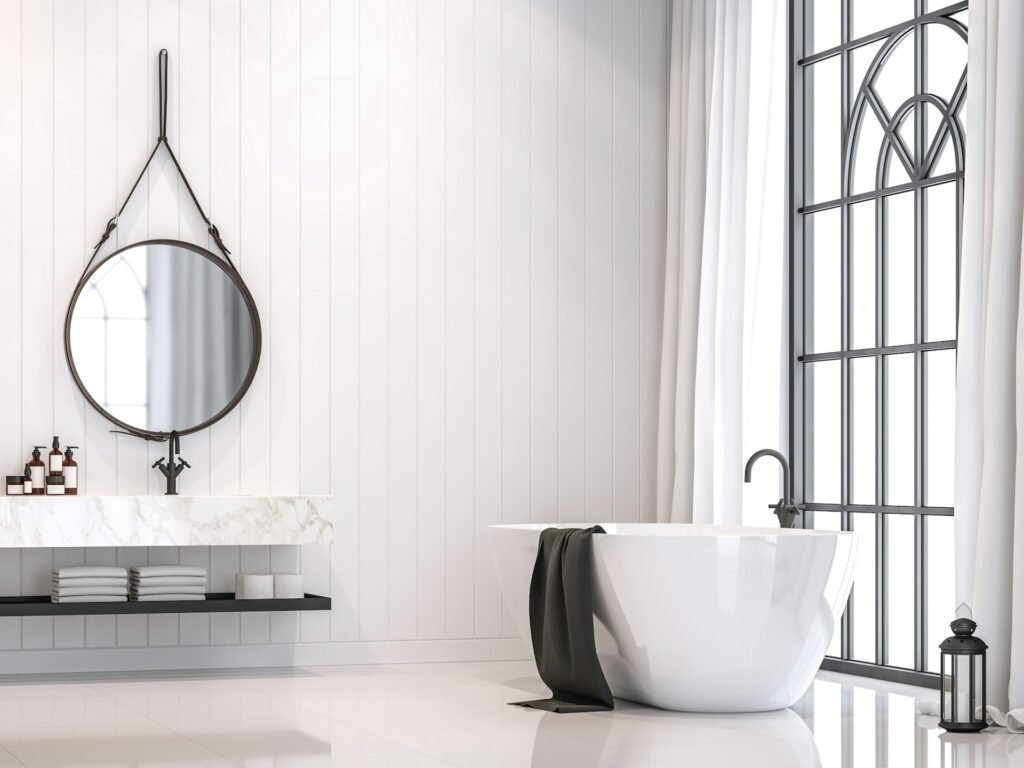
When planning a bathroom renovation, choosing the right bathtub is one of the most important decisions. The bathtub should fit well in our space, meet our needs, and match our style. With so many options available, it’s essential to understand the differences between various types of bathtubs. Freestanding bathtubs, alcove bathtubs, and corner bathtubs each offer unique features and benefits. Freestanding bathtubs are known for their elegant look and flexibility in placement. Alcove bathtubs are practical and space-saving, fitting snugly between three walls. Corner bathtubs make use of underutilised space and can add a luxurious touch to our bathroom. To make the right choice, we need to consider factors like the size of our bathroom, our bathing habits, and our design preferences. By understanding the characteristics of each type of bathtub, we can select the one that best suits our needs and enhances our bathroom’s overall appeal. Let’s explore the different types of bathtubs and how to choose the perfect one for our space. Freestanding Bathtubs Freestanding bathtubs are a popular choice for those looking to make a statement in their bathroom. These bathtubs stand alone and can be placed anywhere in the room, offering great flexibility in design. They are available in various shapes, sizes, and materials, including acrylic, cast iron, and stone. One of the main benefits of a freestanding bathtub is its elegant and luxurious appearance. It can serve as a focal point in the bathroom, adding a touch of sophistication. Freestanding bathtubs are also available in modern and classic designs, making it easy to find one that matches our style. Installation of a freestanding bathtub is relatively simple since it does not require wall supports. However, it’s essential to ensure we have enough space around the tub for easy access and cleaning. Consider the plumbing requirements as well, as the water supply and drainage need to be accessible. By choosing a freestanding bathtub, we can create a stunning and comfortable bathing space that enhances the overall aesthetic of our bathroom. Alcove Bathtubs Alcove bathtubs are designed to fit into a three-wall enclosure, making them a great space-saving option for smaller bathrooms. These bathtubs are typically rectangular and can double as a shower, offering practicality and versatility. Alcove bathtubs are commonly made from materials like acrylic and porcelain-enamelled steel. One of the key advantages of an alcove bathtub is its efficient use of space. It fits snugly into a designated area, allowing us to maximise the available room. This type of bathtub is ideal for family bathrooms where space and functionality are important. Another benefit of alcove bathtubs is the ease of installation. Since they fit into a pre-defined space, the installation process is straightforward and usually less expensive than installing other types of bathtubs. When selecting an alcove bathtub, consider additional features like built-in shelves or armrests for added comfort. An alcove bathtub can provide a practical and stylish solution for any bathroom layout, making it a popular choice for many homeowners. Corner Bathtubs Corner bathtubs are designed to fit into the corner of a bathroom, making them a great option for utilising space efficiently. These bathtubs have a unique shape, often triangular or curved, which allows them to fit snugly into corners that might otherwise be wasted space. They come in various sizes and styles to accommodate different bathroom designs. One of the main benefits of a corner bathtub is its ability to create a luxurious feel in a compact area. The shape of the tub allows for more room to soak and bathe comfortably. Corner bathtubs are perfect for bathrooms where space is limited, but we still want to enjoy a spacious bathing experience. Many corner bathtubs also come with additional features like built-in seats and jets for a spa-like experience. When installing a corner bathtub, it’s important to measure the available space accurately. Make sure the plumbing can be easily accessed from the chosen corner. Corner bathtubs are generally more complex to install compared to alcove or freestanding bathtubs, so hiring a professional installer is advisable. By choosing a corner bathtub, we can maximise our bathroom space while adding a touch of luxury. How to Choose the Right Bathtub for Your Bathroom Choosing the right bathtub for our bathroom involves considering several factors to ensure it meets our needs and fits our space. Here are some essential considerations to help us make an informed decision: 1. Bathroom Size and Layout: Assess the size and layout of our bathroom. A freestanding bathtub may be perfect for larger bathrooms, while an alcove or corner bathtub is more suited to smaller spaces. 2. Personal Preference: Think about our bathing habits. Do we prefer long, relaxing soaks or quick showers? Freestanding bathtubs are ideal for soaking, while alcove bathtubs can double as a shower. 3. Design Aesthetics: Consider the overall style of our bathroom. A modern design may benefit from a sleek freestanding bathtub, whereas a more traditional bathroom might look best with an alcove or corner bathtub. 4. Budget: Determine our budget beforehand. Freestanding bathtubs can be more expensive, both in terms of the tub itself and installation costs. Alcove bathtubs are generally more affordable and straightforward to install. 5. Features and Functionality: Decide on any additional features we may want, such as jets, built-in seats, or shelves. These features can enhance our bathing experience but may also increase the cost and complexity of installation. By considering these factors, we can choose the right bathtub that fits our bathroom layout, matches our style, and meets our budget. Conclusion Choosing the right bathtub is a crucial step in any bathroom renovation. Whether we opt for a freestanding, alcove, or corner bathtub, each type offers unique benefits that can transform our bathroom into a luxurious and functional space. Considering our bathroom size, personal preferences, design aesthetics, budget, and desired features will help us make the best choice. At CARGO Bathroom & Kitchen, we have a wide range of bathtubs for sale to suit every need and style.