Tricks for a Stress-Free Bathroom Renovation
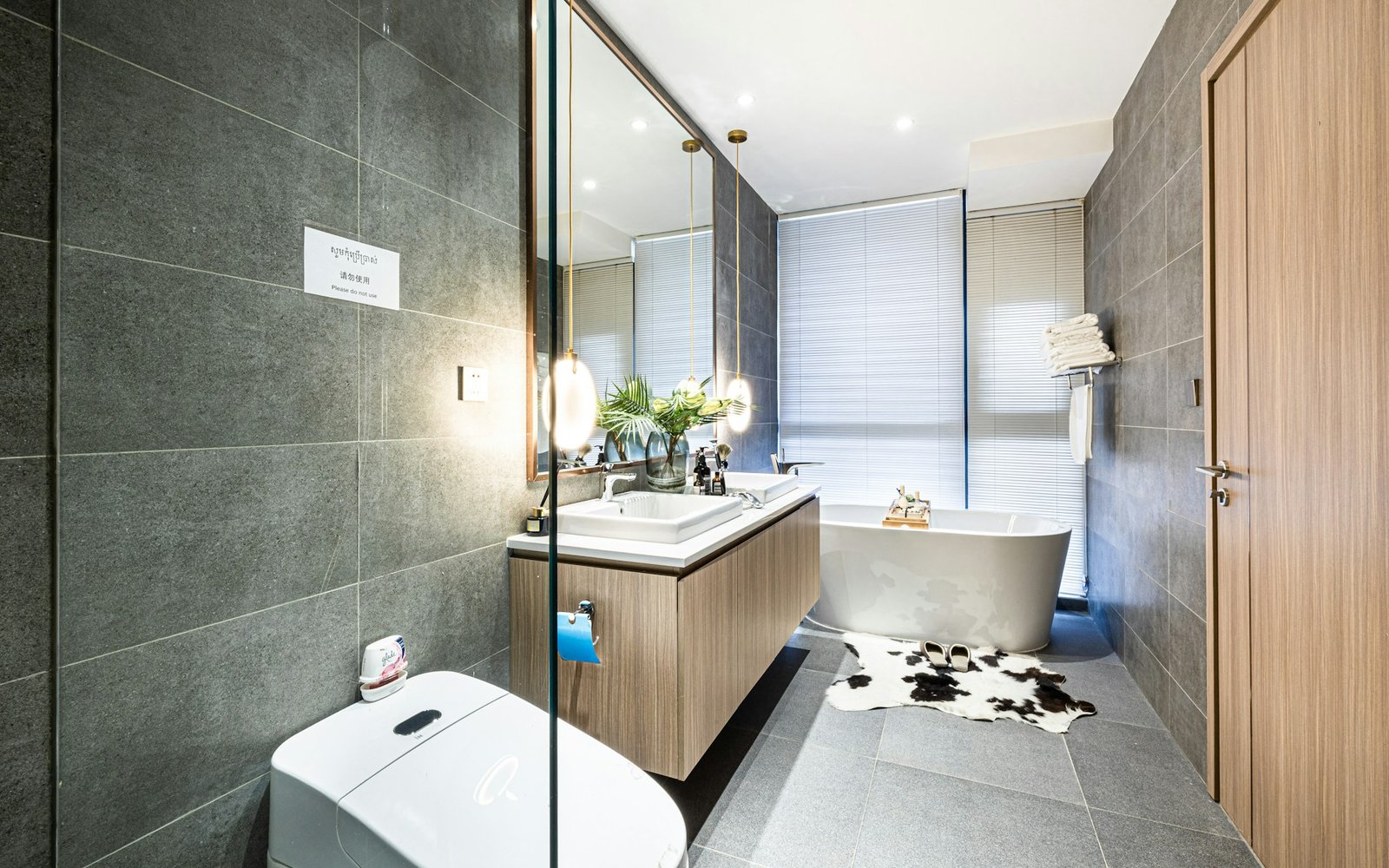
Renovating a bathroom can seem like a huge task, but with the right approach, it doesn’t have to be stressful. Proper planning and smart choices can transform this experience into a rewarding project. Whether you’re adding a new vanity or redesigning the entire layout, a well-thought-out plan is your best friend. Take the time to organise your renovation from start to finish. Clear plans help you stay on track and avoid unexpected issues. With a structured approach, you can keep everything running smoothly, making the process more enjoyable for everyone involved. Choosing the right fixtures and materials is essential for achieving the ideal balance between style and functionality. A focus on these key areas can turn your bathroom makeover into a manageable and satisfying adventure. By taking the right steps, you can create a beautiful space that fits your needs perfectly. Effective Planning and Organisation Creating a comprehensive renovation plan is the first step towards a stress-free bathroom makeover. Start by listing everything you want to change or update in your bathroom. Decide on the design, select the fixtures, and think about the materials you’d like to incorporate. A written plan helps clarify your vision and serves as a roadmap for the renovation. Setting a clear timeline is crucial for organising your project efficiently. Break your renovation into smaller tasks and assign realistic milestones for each step. Having a clear timeline keeps you on track and ensures that every aspect of the renovation is covered. Make sure to leave room for potential delays, as unexpected issues may arise during construction. Coordinating with contractors is another important part of a smooth renovation process. Communication is key to ensuring everyone is on the same page. Regularly update your contractors about any changes or decisions you make. A collaborative approach not only helps avoid misunderstandings but also keeps the project moving forward without unnecessary hitches. Smart Budget Management Smart budget management is essential to keep your renovation financially sound. Start by determining a total budget and then allocate funds to each part of the project. Consider the cost of materials, labour, and any unforeseen expenses that might come up. Having a clear budget helps prevent overspending and ensures you have enough resources to complete your project. Prioritising expenses can significantly help maintain your budget. Identify which items or areas of your renovation are most important. Spend more on quality fixtures that will last longer and enhance the value of your bathroom. Avoid splurging on less essential items that don’t contribute much to the overall outcome. Planning for contingencies is also important for stress-free financial management. Set aside a portion of your budget, around 10-20%, as an emergency fund to cover unexpected costs. This helps you handle surprises without panic and ensures your renovation proceeds smoothly even if you encounter unplanned problems. By following these budget strategies, you can enjoy the renovation process without worrying about financial hiccups, ensuring the project stays within your means and ends successfully. Selecting the Right Fixtures and Materials Choosing the right fixtures and materials is critical for a successful bathroom renovation. Look for fixtures that are both durable and stylish to fit your budget. Opt for high-quality items like taps made from solid brass or vanities with solid surface countertops, as these will withstand daily use and reduce the need for frequent replacements. When selecting materials, consider those that require minimal maintenance. Porcelain tiles, for example, are easy to clean and highly resistant to stains, making them a practical choice for busy households. Similarly, consider finishes that resist water damage and are easy to wipe down, keeping your bathroom looking fresh with less effort. Stay updated with trends that add value and enhance aesthetics. Features like floating vanities or matte black fixtures can give your bathroom a modern look while remaining functional. These additions can enhance not just the look of your bathroom but also its resale value, making them worthwhile investments. Optimising Space for Comfort and Functionality Making the most of your bathroom space ensures comfort and functionality. Consider innovative layouts that maximise space, allowing for more efficient use of every corner. Swap a traditional vanity for a wall-mounted one to free up floor space, giving the room a more open feel. Incorporating smart storage solutions is key to a clutter-free bathroom. Choose cabinetry that blends with the design and offers ample storage space. Floating shelves can add vertical storage, and built-in niches in the shower can keep essentials within easy reach without sacrificing style. Ensure design choices improve ease of use and accessibility. Position fixtures for easy access and consider features like walk-in showers with benches for added convenience. Good design not only reflects style but also adapts to your family’s needs, creating a bathroom that’s welcoming and practical for all. Conclusion: Renovating your bathroom doesn’t have to be a headache-filled task. With thoughtful planning and strategic decisions, you can simplify the process and achieve the bathroom of your dreams. It all starts with a well-laid plan that covers every detail, from budget management to selecting durable fixtures and optimising your bathroom space. A successful renovation enhances both the function and beauty of the bathroom, increasing your home’s value along the way. By focusing on the right elements, you transform the space into a personal retreat that fits your lifestyle perfectly. This effort can leave you with a stylish, comfortable, and functional bathroom that everyone in the household can enjoy. Ready to bring your vision to life? Contact CARGO Bathroom & Kitchen for expert guidance and top-quality solutions on all your bathroom renovation needs. Our team is here to help you every step of the way, ensuring that your project is as smooth and stress-free as possible.
Differences Between Acrylic and Cast Iron Bathtubs
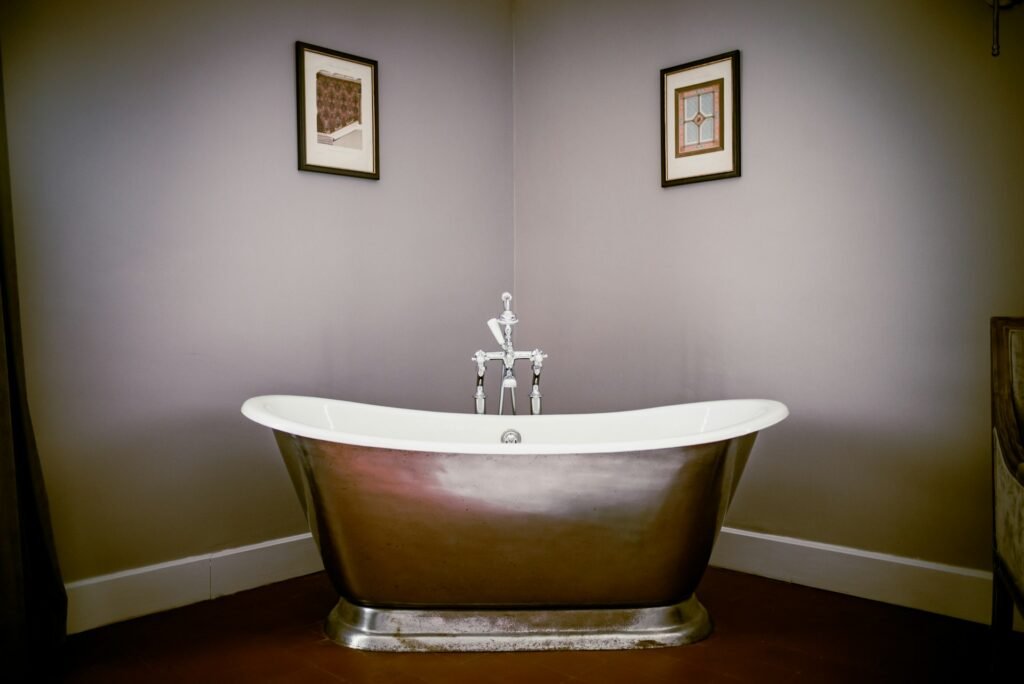
Choosing the right bathtub involves comparing materials to find what best suits your needs. Acrylic and cast iron are two popular options, each offering unique benefits and challenges. Your choice will impact not just the aesthetics of your bathroom, but also its functionality and ease of maintenance. Acrylic bathtubs are known for their lightweight nature and ease of installation, making them a convenient choice for many. They offer a smooth surface that can tolerate regular cleaning and everyday wear. Cast iron tubs, on the other hand, are cherished for their durability and classic appeal. Their heat retention properties make them a favourite for those who enjoy long soaks in a warm bath. Understanding the differences between these materials can help you make an informed decision, balancing comfort with practicality and considering the long-term maintenance of your choice. Whether you prioritise ease of installation or the luxurious feel of a long, hot bath, this guide will help you weigh your options carefully. Material Composition and Manufacturing Process When choosing a bathtub, understanding the materials used and how they’re made helps you decide which best fits your needs. Acrylic bathtubs are crafted from a synthetic material that’s flexible and mouldable, allowing for a wide variety of shapes and sizes. During manufacturing, acrylic sheets are heated and stretched into a mould, then reinforced with fibreglass for added strength. This process results in a lightweight, cost-effective tub that’s easy to install. Cast iron bathtubs, on the other hand, are made from molten iron poured into a mould. Once cast, the surface is coated with a thick layer of porcelain enamel, giving it a glossy, resilient finish. This makes cast iron tubs far heavier but incredibly durable, ideal for those seeking a classic and long-lasting option. The materials significantly influence durability and lifespan. Acrylic is more prone to scratches and fading over time, but it is easier to repair if damage occurs. Cast iron, with its robust structure and tough enamel surface, offers superior longevity, resisting dings and scratches for years, though its weight requires careful consideration during installation. By evaluating these attributes, you can choose the material that aligns with your practical needs and aesthetic desires. Weight and Installation Considerations The weight of a bathtub greatly affects installation and structural support requirements. Acrylic bathtubs are very lightweight, usually weighing between 30 to 50 kilograms. This lightness makes them much easier to handle and install, often requiring minimal structural reinforcement. They’re suitable for most bathroom layouts, especially where ease of installation is a priority. Cast iron bathtubs are considerably heavier, often weighing over 150 kilograms. Moving them demands significant effort and proper planning, potentially requiring reinforced flooring to support their weight. This additional requirement can influence where cast iron tubs can be installed, making them better suited for ground floors or homes specially designed to accommodate their heft. When considering installation, ask yourself: – Can the floor support a heavy bathtub?– Is ease of installation a priority for the bathroom renovation? If structural support is a concern, an acrylic tub may be the better option. However, if long-term durability and a timeless look are your main priorities, the robustness of a cast iron tub might outweigh the installation challenges, providing a lasting centrepiece in your bathroom space. Understanding these differences ensures your bathroom renovation progresses smoothly and meets both your needs and expectations. Heat Retention and Comfort Levels A key consideration when choosing a bathtub is how well it retains heat and provides comfort. Cast iron bathtubs excel in heat retention. Their heavy-duty material keeps water warm for longer periods, perfect for people who enjoy soaking for extended times without needing to constantly add hot water. The thick enamel coating not only adds to insulation but also provides a smooth surface that’s pleasing to sit against. Acrylic bathtubs, while not as proficient in heat retention as cast iron, still offer respectable insulation. They tend to lose heat more quickly but warm up faster when filled with hot water. Acrylic’s lightweight and smooth surface deliver a comfortable bathing experience, catering to different temperature preferences and warming up predictably as the bath fills. – Cast Iron Tubs: Excellent heat retention, stays warm longer.– Acrylic Tubs: Faster warming, moderate heat retention. For those who prioritise reduced energy use or long, leisurely baths, cast iron is an optimal choice. Acrylic offers a versatile solution for those who need a quick warm-up and are mindful about energy efficiency. Each type provides a unique user experience, so consider what comfort means for you and select the tub that matches your bathing rituals. Maintenance and Longevity Maintenance and lifespan are vital factors in selecting a bathtub. Acrylic tubs are relatively easy to care for. Regular cleaning with non-abrasive products keeps them looking new. They resist staining but can scratch more easily than cast iron. However, small scratches can often be buffed out to restore surface smoothness. This makes them a good choice for families or anyone who wants an easy-to-maintain tub. Cast iron tubs, while tougher against scratches, can develop chips in the enamel if not handled carefully. Such chips expose the iron underneath, leading to rust if not repaired promptly. Cleaning is generally straightforward, requiring gentle cleaners to maintain the enamel’s shine. Their resistance to wear and tear makes them a long-lasting investment, far exceeding acrylic in this regard if maintained well. – Acrylic Tubs: Easy maintenance, prone to scratches.– Cast Iron Tubs: Robust but needs chip repairs. Over time, cast iron tubs maintain their appearance with minimal ageing, whereas acrylic may require occasional repairs to keep it looking fresh. Depending on your routine and willingness for maintenance, understanding these differences will guide you to a choice that balances durability with ease of upkeep. Conclusion Choosing between acrylic and cast iron bathtubs involves comparing many aspects like weight, heat retention, and long-term maintenance. Each material has unique qualities that can enhance the look and function of your bathroom. Acrylic offers flexibility, ease of installation, and simple maintenance, suitable for various
Choosing the Right Flush System for Your Toilet: Things to Consider
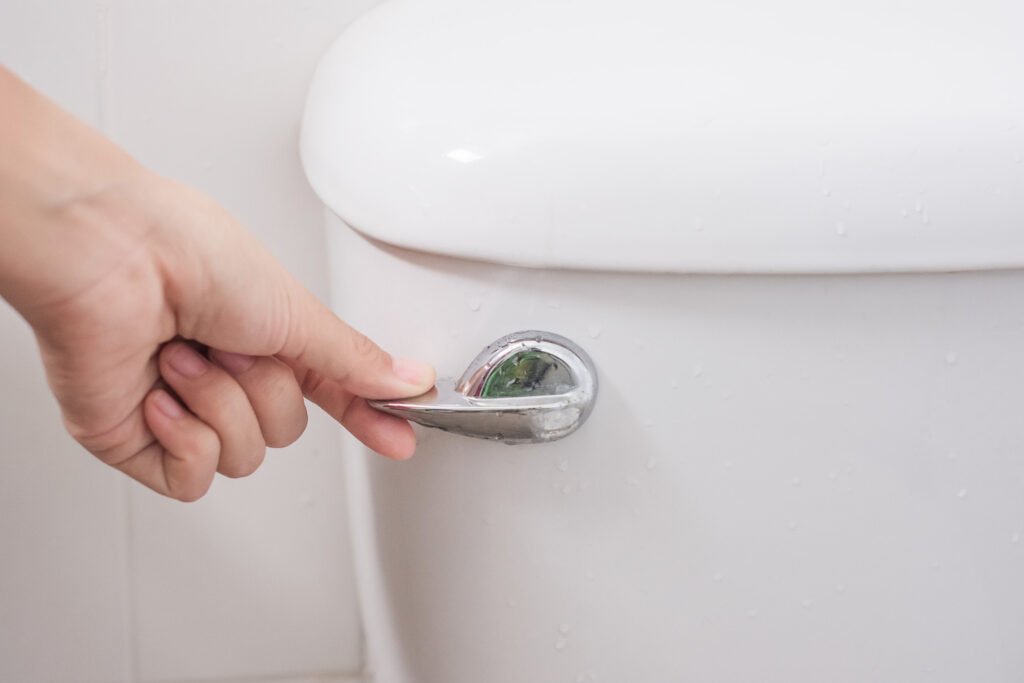
Choosing the right flush system for your toilet is more important than you might think. It goes beyond simply looking at style and price. The right flush system can improve water efficiency, reduce environmental impact, and enhance the overall performance of your bathroom. Making this decision wisely ensures that you enjoy an optimal balance between practicality and economy. There are various flush systems available, each with unique benefits and operational methods. From gravity flush to advanced dual flush systems, understanding the options is key to making a well-informed decision. When selecting a flush system, consider how it will work in your current toilet setup and how it can meet your family’s needs. This guide will take you through the process of choosing the best flush system for your toilet. We aim to help you make choices that align with your lifestyle and save water, all while keeping your bathroom running smoothly. Understanding Different Flush System Types Choosing the right flush system involves understanding how each type works. Gravity flush systems are the most common in households. They use the force of gravity to push water from the tank into the bowl, effectively clearing waste. Their simplicity makes them reliable and easy to maintain, but their water usage is often higher compared to other systems. Pressure-assisted flush systems use compressed air to enhance flushing power. This system is more efficient, using less water while providing a powerful flush. They are noisier than gravity systems and can be more expensive to install and maintain, making them better suited for commercial use or larger households. Dual flush systems offer versatility with two flush options: a full flush for solids and a half flush for liquids. This system promotes water conservation by allowing users to choose the amount of water needed per flush. Dual flush toilets can save significant amounts of water over time, making them a popular choice for environmentally conscious homeowners. When comparing the efficiency and water usage of these systems, dual flush systems typically come out on top, followed by pressure-assisted and lastly gravity flush. While each system has its strengths, analysing how their mechanics impact performance can guide you in selecting the best option for your home’s specific needs. Evaluating Water Efficiency and Environmental Impact Selecting a water-efficient flush system is crucial not only for conserving water but also for saving money on utility bills. As water scarcity becomes a more pressing global issue, choosing systems that minimise water use is an environmentally responsible decision. Modern flush systems are designed to use less water without sacrificing performance, helping reduce water waste significantly. Government standards like the WaterSense label help identify products that meet high efficiency criteria. Toilets with this certification ensure they use 20% less water than standard models, which can lead to substantial savings on water bills over time. Investing in a WaterSense-labelled toilet system is an easy step toward making your home more sustainable. Reducing water usage has several benefits for the environment. It decreases the strain on local water supplies and reduces the energy needed for water treatment processes. Additionally, homes that use less water contribute to fewer greenhouse gas emissions. By choosing a water-efficient flush system, you’re not only saving money, but you’re also taking part in global efforts to conserve this vital resource. It’s a small choice that can make a big difference, ensuring a more sustainable future for everyone. Assessing Installation and Maintenance Needs When choosing a flush system, consider its installation and maintenance requirements. Compatibility with your existing plumbing is crucial. Some systems, like pressure-assisted toilets, might need specialised plumbing due to their advanced mechanics. This can lead to a more complex installation process and might require professional help. On the other hand, gravity flush systems tend to be easier to install, often fitting seamlessly with standard plumbing setups. Routine maintenance is another factor to think about. Pressure-assisted systems, while powerful, may require more frequent checks to ensure the air pressure is functioning correctly. Dual flush systems have more parts due to their two-button operation, which might mean more maintenance in the long run. Regularly checking seals and valves can prevent leaks and ensure efficient operation. Gravity systems are typically low-maintenance, needing just occasional parts replacement. Choosing a flush system based on ease of installation and upkeep can save time and costs. If you prefer a hassle-free option, go for a system that aligns well with your current setup and requires minimal maintenance. This approach ensures a smooth, trouble-free experience that meets both functional and budgetary requirements. Matching Flush Systems with Bathroom Design Selecting the right flush system also involves matching it with your bathroom’s design. Different flush systems can complement a variety of toilet styles and overall bathroom aesthetics. For example, pressure-assisted toilets often fit well in modern settings that prioritise sleek design and powerful performance. Gravity flush systems offer a classic appearance, suitable for traditional bathroom styles. When choosing a flush system, consider your aesthetic preferences. A dual flush system can work well with minimalist or eco-friendly designs due to its focus on water conservation. It’s not just about looks, but how the system fits into your bathroom’s overall theme. Noise levels and flush power should also factor into your decision. In open bathroom designs, a quieter system might be preferable for comfort, while enclosed spaces can accommodate noisier systems without issue. Evaluating these factors ensures the flush system enhances your bathroom’s functionality and style, while also keeping noise disruption to a minimum. Conclusion Choosing the right flush system is a crucial step in ensuring your bathroom is both efficient and stylish. From understanding the various types of flush systems to considering water efficiency, installation needs, and design compatibility, there are several factors to weigh. Each flush system offers unique benefits, tailored to various performance requirements and aesthetic preferences. Making an informed choice contributes to both the environmental and economic well-being of your home. By evaluating your specific needs and the specifics of your bathroom setup, you can find a
Essential Bathroom Renovation Tools and Supplies
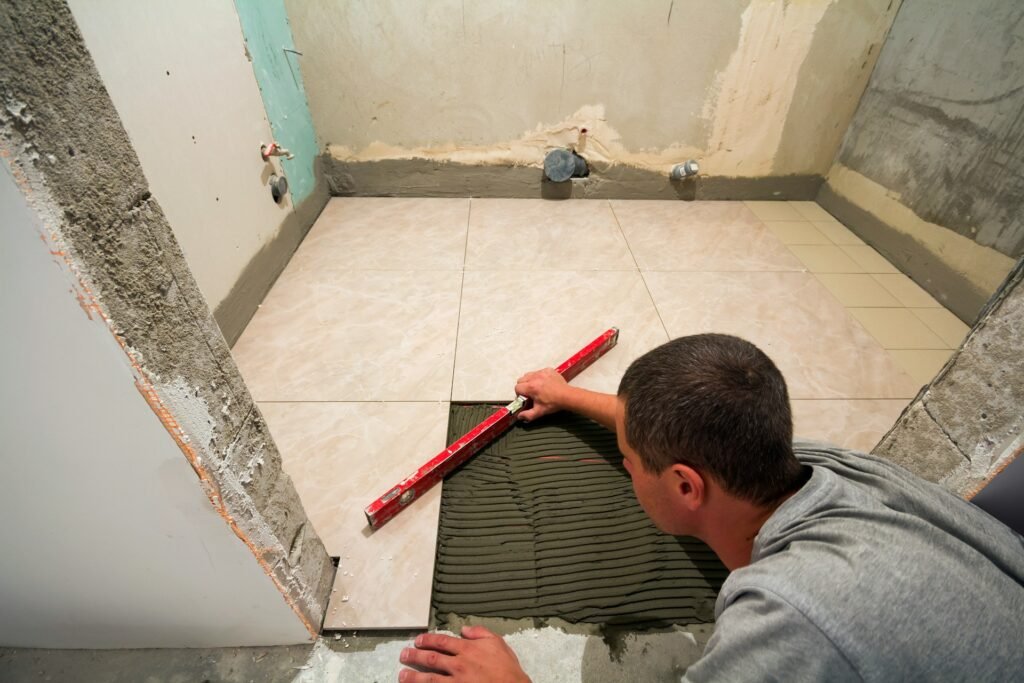
Revamping your bathroom can be an exciting project, bringing new life and functionality to one of the most used spaces in your home. Whether you’re updating outdated fixtures or creating a whole new look, a bathroom renovation is a great way to combine style and practicality. Having the right tools and materials can make all the difference in achieving a seamless transformation. Must-Have Tools for Bathroom Renovation Embarking on a bathroom renovation requires the right tools to ensure a smooth and efficient transformation. Basic tools are the foundation of any renovation project. Hammers are crucial for tasks like removing old fixtures and installing new ones. Screwdrivers, both flathead and Phillips, are essential for assembling vanities and securing fittings. Saws are useful for cutting through materials like wood and plastic, allowing you to customise pieces to fit your design. Power tools make your renovation process quicker and more precise. A drill, along with a set of drill bits, is key for making holes in walls and assembling cabinetry quickly. Tile cutters are indispensable if you plan to install or replace tiling, providing clean, straight cuts that contribute to a professional finish. These tools enhance both the speed and accuracy of your work. Safety gear is just as important as your tools. Protective goggles shield your eyes from dust and debris. Gloves help prevent cuts and provide better grip, while masks protect you from inhaling harmful particles, especially when working with materials like tiles or dust. Prioritising safety ensures a successful renovation without injuries. Plumbing Essentials Plumbing is a critical aspect of bathroom renovations, and having the right tools can make the task more manageable. A pipe wrench is a must-have for loosening and tightening pipes, providing the grip needed for secure connections. Sealant tape—also known as plumber’s tape—is essential for creating leak-proof seals on threaded pipe joints, ensuring the longevity of your plumbing systems. Selecting compatible pipes and fittings is important for the integrity of your bathroom’s plumbing. Consider the existing plumbing infrastructure and choose materials that match or improve upon it. Copper and PEX pipes are popular choices due to their durability and ease of installation. Ensure fittings are suitable for the pipe types to avoid leaks and other plumbing issues. Renovations often present common plumbing challenges, such as leaks or blockages. Familiarise yourself with how to handle these issues. For instance, knowing how to clear a clogged drain or replace a damaged pipe can save time and money. Always turn off the main water supply before starting any plumbing work to prevent water damage. With these tips and tools, you’ll tackle plumbing tasks confidently during your bathroom remodel. Choosing the Right Materials and Fixtures Selecting the right materials and fixtures for your bathroom is crucial to achieving both functionality and style. Vanities come in various materials like solid wood, MDF (medium-density fibreboard), and laminate. Solid wood offers durability and a classic look but may require more maintenance to prevent water damage. MDF is more affordable and resists moisture better, making it a practical choice for humid bathrooms. Laminate provides a wide range of finishes and colours, allowing you to easily match your design vision. Bathtubs and toilets also come in diverse materials. Acrylic bathtubs are popular due to their light weight and heat retention properties. Cast iron is incredibly durable and retains heat well but is much heavier. For toilets, vitreous china is common due to its gloss, scratch resistance, and ease of cleaning. When choosing materials, consider eco-friendly options that offer sustainability without sacrificing style. Recycled glass countertops or bamboo vanities can add a modern, environmentally-conscious touch. Evaluate the durability of materials to ensure they withstand daily use, maintaining their look over time. Stylish fixtures like taps and handles add personality and functionality to your bathroom. Choose fixtures that complement your materials and meet your functional needs, balancing aesthetics with practical usability. Finishing Touches and Decoration Supplies The finishing touches and decoration supplies you choose can transform your bathroom into a personal retreat. Paint is an easy and impactful way to refresh a space. Opt for moisture-resistant paint to withstand the humid environment. Light colours can make a small bathroom feel larger, while bold colours can add drama and style. Tiles and wall coverings introduce texture and interest. Ceramic tiles are water-resistant and come in various shapes and colours, offering versatility. For walls, consider waterproof wallpaper or faux panelling to add character without compromising practicality. Accessories like mirrors, lighting, and storage solutions enhance the functionality and appearance of your bathroom. A well-placed mirror can add depth and make the room feel more spacious. Proper lighting is essential for both safety and ambience. Wall-mounted sconces or LED strips under cabinets provide effective illumination. Choose decor items that reflect your personal style, like coloured towels, decorative baskets, or potted plants. These details complete the space, making it feel inviting and cohesive. Conclusion Renovating a bathroom involves several important decisions, from selecting tools and plumbing essentials to choosing the right materials and adding stylish finishes. Each element plays a role in creating a space that is not only functional but also reflects your personal taste. Whether you’re investing in sturdy basic tools or considering eco-friendly materials, each step brings you closer to a bathroom that fits your needs and preferences. Ready to turn your bathroom renovation ideas into reality? Explore the endless possibilities at CARGO Bathroom & Kitchen. From corner bathtubs to toilets in Melbourne, you can find a wide selection of materials, fixtures, and decor to suit your design vision. Let us help you craft the bathroom of your dreams with our expert guidance and top-quality products!
How to Update Your Bathroom Vanity on a Budget
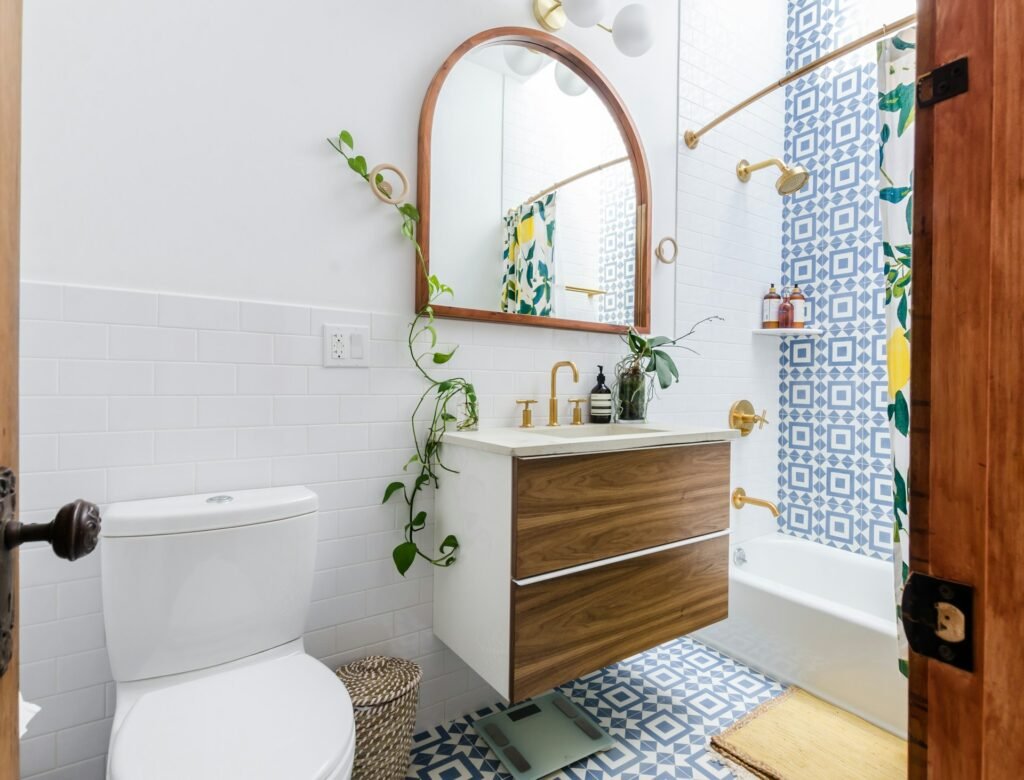
Updating your bathroom vanity doesn’t mean breaking the bank. With a little creativity and some handy tips, you can give your space a fresh look without spending a fortune. The bathroom vanity is often a focal point, and a few smart changes can make a big impact. Evaluating Your Current Vanity Start your bathroom vanity update by assessing the condition and style of your existing setup. Examine the vanity’s structure for any damages, like water stains, loose hardware, or chipped edges. A solid structure indicates that your vanity has good bones and can serve as a base for enhancements. Note any outdated features that might need a facelift to better align with your desired look. Next, identify elements of your vanity that can be updated or reused. Consider what you love about the current design—perhaps the storage is efficient, or the countertop material still holds appeal. Reusing what you already have not only saves money but also retains some familiarity in your renovated space. Finally, determine the budget for your makeover. Setting a clear budget helps prioritise which updates are most important and feasible. Break down your budget into sections, such as: Materials: Paint, hardware, or replacement parts. Tools: Brushes, sanders, or drills if necessary. Decor and Accessories: Mirrors, lighting, or any decorative pieces. Having a clear financial plan guides your decisions and ensures a satisfying outcome without surprise expenses. Affordable DIY Vanity Upgrades Giving your vanity a fresh look doesn’t have to be expensive. One of the most effective ways to update your bathroom vanity on a budget is by painting or refinishing it. A new coat of paint can completely transform the appearance, allowing you to tailor the colour to your taste. Choose a moisture-resistant paint for durability in the humid bathroom environment. Replacing old hardware is another quick and budget-friendly way to update your vanity’s style. Look for modern handles, knobs, and hinges in finishes like matte black, brass, or chrome. These simple changes can refresh the entire unit instantly without a hefty price tag. Consider adding new accessories or features to further enhance your vanity. Think about installing: Floating shelves above or beside the vanity for added storage. Decorative baskets underneath for a stylish way to store towels and supplies. New tapware that complements the updated look. These affordable, DIY-friendly upgrades breathe new life into your vanity and customise it to fit your space beautifully. By investing a little time and creativity, your bathroom vanity can become a standout feature in your home. Cost-Effective Replacement Options If your vanity needs more than a facelift, consider replacing it with budget-friendly options. Start by exploring affordable vanities and countertops available at home improvement stores or online retailers. Many places offer attractive options that won’t empty your wallet, yet provide the modern or classic look you desire. Opt for quality materials like laminate or engineered stone, which offer durability without the high cost of natural stone. Pre-loved or refurbished vanities are another practical choice. Purchasing from second-hand stores or online marketplaces can yield unique pieces at a fraction of the price. Ensure any used vanities are in good condition and check for any repairs they might need before purchase. This option not only saves money but also adds character with different styles. Installing replacements yourself is an effective way to save money. Here are a few tips: Gather necessary tools beforehand and follow step-by-step guides or video tutorials. Measure carefully to avoid fitting issues or unnecessary modifications. Enlist a friend’s help to safely handle and position heavier pieces. By choosing cost-effective replacements, you maintain style and function in your bathroom, uplifted by your personal touch and thoughtful selections. Maximising Visual Impact To maximise visual impact, focus on enhancing the area around your updated vanity. Lighting plays a significant role in transforming the look and feel of your bathroom. Consider adding LED strip lights under the vanity or above the mirror to brighten and modernise the space. Layered lighting creates depth and highlights features effectively. Incorporate decorative mirrors and backsplashes to add style and interest. A well-placed mirror can reflect light, making the room appear larger and more open. Choose a mirror with an interesting frame or shape that complements your decor. For backsplashes, consider peel-and-stick tiles for a quick and budget-friendly update that adds colour and texture. Styling the area with additional elements helps tie everything together. Here are a few styling tips: Add potted plants or flowers for a touch of greenery. Use coordinated towels and rugs to unify the colour scheme. Display functional yet stylish containers for organising essentials. These enhancements significantly elevate your vanity area, making it a standout feature with minimum effort and cost. Conclusion Updating your bathroom vanity on a budget doesn’t mean sacrificing style or quality. By evaluating what you have and exploring cost-effective upgrades and replacements, you can breathe new life into your bathroom. Mixing clever DIY projects with thoughtful replacements gives you both control and satisfaction over the renovation process. Focusing on lighting and aesthetic touches adds the finishing flair, making it all come together seamlessly. As you embark on your renovation journey, remember that a well-planned approach can transform your bathroom vanity in Melbourne into a serene retreat without breaking the bank. Explore CARGO Bathroom & Kitchen for a range of affordable vanities and expert advice to help guide you through your makeover. Discover how easy and rewarding it can be to upgrade your space and elevate it to match your style!
Luxury Bathtubs: Features to Look For
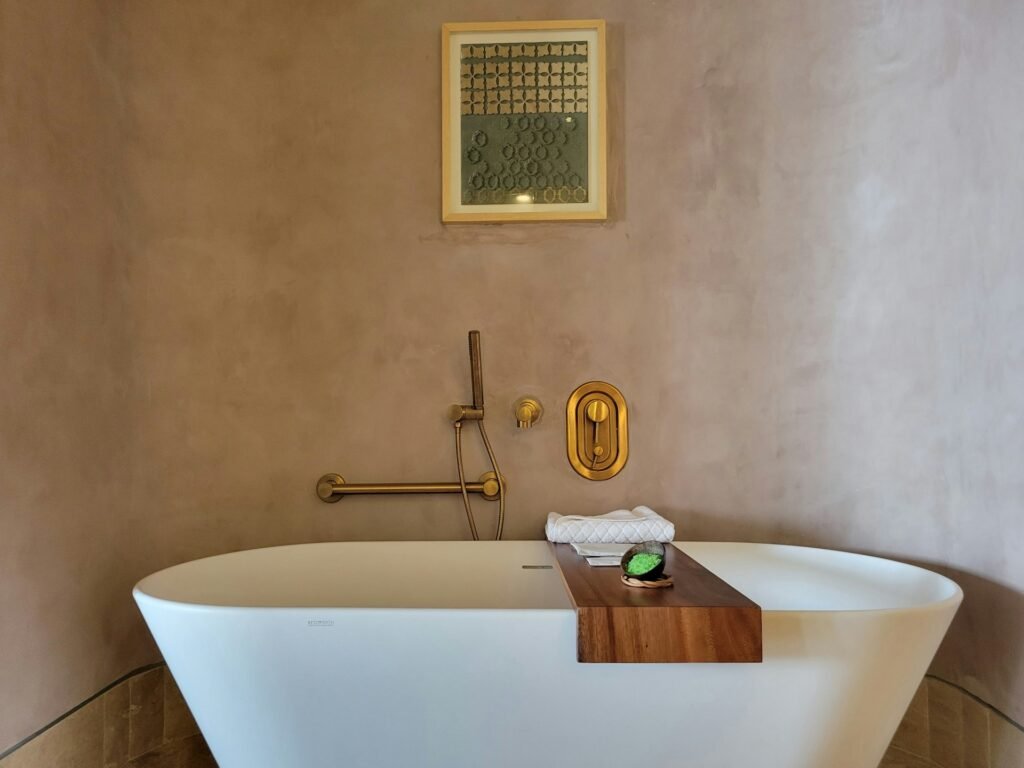
Soaking in a luxury bathtub offers more than just physical relaxation; it transforms your bathroom into a personal spa retreat. Choosing the right bathtub is key to enhancing your bathroom’s ambience and functionality. With various options available, deciding on the perfect features can be both exciting and overwhelming. Understanding the different types of bathtubs and their unique benefits can guide you to make the best choice for your space. From sleek freestanding designs to space-saving corner models, each style has its charm and practical advantages. Considering essential comfort features and modern technology can also elevate your bathing experience to new levels. As you explore these options, keep your personal needs and the overall design of your bathroom in mind. This guide delves into the features to look for when selecting a luxury bathtub, ensuring your investment meets your comfort and style expectations. Types of Luxury Bathtubs Luxury bathtubs come in various styles, each offering distinct advantages for different bathroom designs. Freestanding bathtubs are a popular choice for their elegant look and flexibility. They can be positioned anywhere in the bathroom, serving as a statement piece that draws attention. Freestanding models often feature sleek lines and can fit both modern and traditional decors. Corner bathtubs, on the other hand, are perfect for maximising space in smaller bathrooms. These tubs tuck neatly into corners, providing ample bathing space without dominating the room. Their unique positioning can create a cosy nook for relaxation, adding both functionality and style to compact areas. Alcove tubs are usually built into three surrounding walls and are a practical choice for bathrooms with limited space. These tubs can double as a shower and are typically the most cost-effective option. The built-in design allows for easy access and maintenance, making them a household staple. Each bathtub style has its own set of pros and cons. Freestanding tubs may require separate plumbing and additional floor space, while corner tubs save floor area but may limit design flexibility. Alcove tubs offer practicality but could lack the visual impact of other styles. Selecting the right type depends on your bathroom’s size, layout, and your personal preference. Essential Features for Comfort and Style When choosing a luxury bathtub, focusing on essential features can greatly enhance your comfort and style. Start by considering built-in jets for a spa-like experience. These powerful water streams can offer a soothing massage after a long day, making your bath more than just a cleaning routine. Ergonomic designs are another key feature to look for. They add comfort by contouring to the body’s natural shape, providing support during long soaks. Non-slip surfaces are crucial for safety, particularly for homes with children or elderly family members, ensuring peace of mind during every use. Material options also play a significant role in the tub’s appeal and durability. Acrylic bathtubs are lightweight and come in various designs; they are easy to clean and keep warm. Porcelain tubs offer a classic look and are known for longevity. Stone tubs, while heavier, add a touch of luxury with their unique texture and appearance. The depth and width of the bathtub impact overall comfort. Deeper tubs allow a more immersive experience, which is ideal for extended relaxation. Meanwhile, wider tubs provide more space to stretch out, enhancing the bathing experience. Consider these factors when selecting features to suit your individual needs and complement your bathroom’s decor. Technological Advancements in Modern Bathtubs Modern technology has transformed luxury bathtubs, making them more than just a place to soak. Smart features like temperature control allow you to set the perfect water temperature with ease. This feature not only adds comfort but also saves you from constant adjustments. Built-in speakers let you enjoy your favourite tunes or podcasts, creating a personalised atmosphere that enhances relaxation. Adding LED lighting to your bathtub can create mood-enhancing effects. Choose from different colours and intensities to match your mood, whether you want a calming blue or an invigorating red. Aromatherapy functions are becoming increasingly popular as well, infusing your bath with soothing fragrances that can uplift your spirits and promote wellness. When considering modern features, think about eco-friendly designs. Look for energy-saving options that conserve water and reduce electricity usage, such as efficient heating systems and smart water use capability. These advancements not only save resources but can also reduce utility bills. Embracing sustainable technology is a smart choice for both your wallet and the environment, ensuring that your luxurious bathing experience is guilt-free. Customising Your Bathtub Experience Customising your bathtub allows you to tailor the experience to fit your personal style and needs. Start by selecting custom finishes and fittings that match your bathroom’s decor. You might choose polished chrome for a sleek look or opt for brushed bronze for a touch of elegance. These details help create a cohesive look that seamlessly integrates your tub into the overall design. Enhancing personal style doesn’t stop at finishes. Consider unique taps and surrounds that add function and flair. Wall-mounted taps save space and offer a modern aesthetic, while traditional deck-mounted taps add a classic touch. The choice of surrounds, whether tiled, wooden, or stone, further personalises your bathtub area, ensuring it reflects your taste. To add an extra layer of comfort, think about accessories like headrests and handles. These additions not only boost luxury but also improve accessibility. Headrests offer support and comfort during long soaks, while handles provide safety and ease of movement. With the right mix of custom features, your bathtub can become a personal sanctuary tailored just for you. Conclusion: Choosing the perfect luxury bathtub is a significant step towards creating a bathroom that offers both style and relaxation. Understanding the various styles and their unique features helps in selecting a tub that fits your space and meets your personal preferences. With advancements in smart features, today’s bathtubs offer an enhanced experience that combines comfort, technology, and eco-conscious designs. Whether you prefer a classic freestanding tub or an innovative spa experience with cutting-edge technology, making an informed choice ensures