How to Plan a Bathroom Renovation on a Tight Schedule
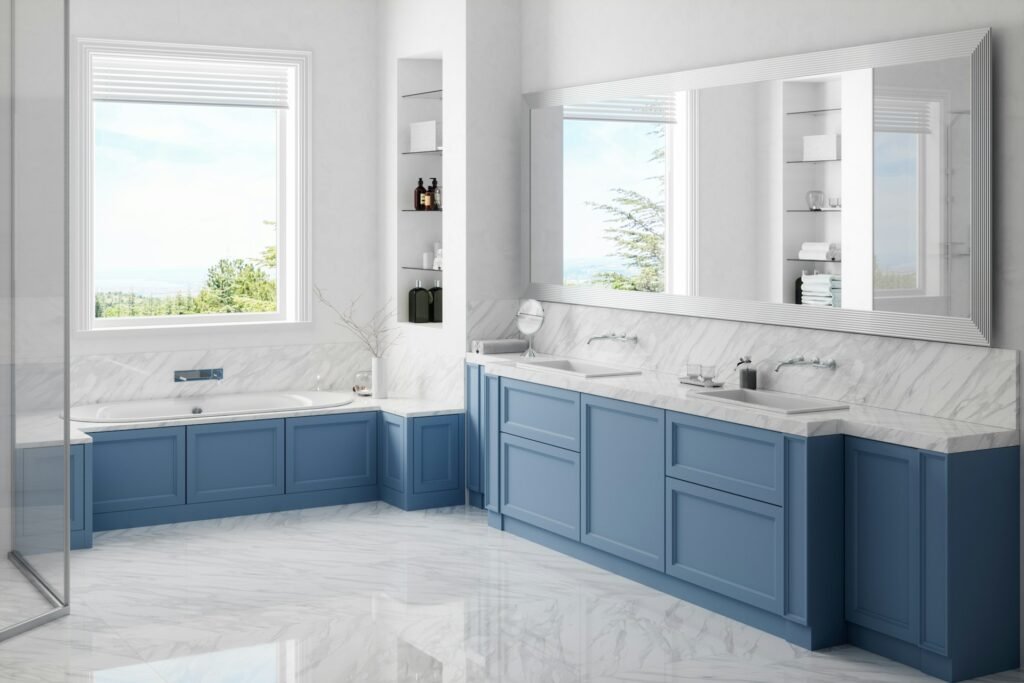
Embarking on a bathroom renovation is an exciting journey that can transform your space into a functional and stylish retreat. However, achieving your dream bathroom requires careful planning and smart decision-making. Without a solid plan, you might face delays, overspending, and unsatisfactory results. Setting clear priorities and goals is a crucial first step. Understanding what you want to achieve makes it easier to make decisions about design, layout, and budget. It ensures that every choice you make aligns with your vision for the perfect bathroom. Creating a realistic timeline is equally important. Renovations can be complex, with various tasks that need precise coordination. A well-planned schedule helps keep the project on track, minimising disruptions to your daily life. Choosing materials and fixtures efficiently can save both time and money. Knowing how to select the right products ensures durability and aesthetic appeal. Finally, coordinating with professionals and smoothly managing workflow are key to a successful renovation. With clear communication and organisation, you can transform your bathroom into a space that exceeds your expectations. Setting Clear Priorities and Goals Before starting a bathroom renovation, it’s essential to set clear priorities and goals. Knowing precisely what you want to achieve helps guide all decisions, from layout to final touches. It ensures you stay on track and avoid unnecessary changes midway through the project. Start by asking yourself what you need from your bathroom. Is it more storage, better lighting, or a sleek design? Make a list of must-haves and nice-to-haves. This will help distinguish between essential features and those that can be adjusted if budget constraints arise. For example, a double vanity might be a priority if you share the bathroom, while heated flooring could be a luxury addition. Consider how the bathroom fits into your home. Align the design with your home’s style, whether it’s modern, classic, or eclectic. This cohesion not only boosts the aesthetic appeal but can also add value to your property. Think about long-term functionality. Will the bathroom suit your needs in five or ten years? Future-proofing can prevent the need for another renovation soon after. Simple adjustments like including a walk-in shower or easy-to-reach outlets can make a big difference over time. Communicate these goals clearly to anyone involved in the renovation. Whether you’re hiring professionals or doing it yourself, everyone should understand your vision and expectations. This helps avoid misunderstandings and ensures a smoother renovation process. Having well-defined goals lets you measure success. Once the renovation is completed, you’ll be able to see how well the final result matches your initial vision, making all the effort worthwhile. Creating a Realistic Timeline A realistic timeline is crucial for a successful bathroom renovation. Renovations often take longer than expected, so a well-thought-out timeline helps prevent frustration and keeps the project on track. Start by considering the total scope of the work. Break the renovation into phases, like demolition, plumbing, tiling, and installation of fixtures. Determine how long each phase should take, and be generous with time estimates to accommodate any unexpected delays. List all the tasks that need completing before the renovation starts. These may include ordering materials, securing permits, and booking tradespeople. Factor in lead times for any custom items or special fixtures, as these can take several weeks to arrive. Set milestones throughout the project. These are key points where certain tasks should be completed. For instance, you might aim to have the plumbing done by week two or the tiling finished by week four. Regularly reviewing these milestones helps ensure the renovation stays on schedule and allows for adjustments if needed. Account for daily life. If the bathroom being renovated is your main bathroom, consider how you’ll manage without it during the renovation. Interim solutions, like temporary fixtures or alternative bathroom arrangements, can ease the disruption. Communicate openly with everyone involved. Share the timeline with contractors and regularly check progress. Be prepared to adjust the timeline if unforeseen issues arise, like discovering hidden leaks or structural problems. Being flexible yet organised with your timeline ensures that the renovation progresses smoothly and within a reasonable timeframe. It also reduces stress and helps you enjoy the results sooner. Matching Sink Style with Bathroom Design The style of your sink should complement the overall design of your bathroom. A sink can be a focal point, enhancing or detracting from the bathroom’s look. When selecting a sink, consider how it pairs with your vanity, countertops, and tapware. If your bathroom has a sleek, modern design, consider a vessel sink. These sinks sit on top of the countertop and add a contemporary touch to any bathroom. For a more classic look, a pedestal sink might be best. They present a timeless appearance and work well in smaller spaces by saving room without compromising style. Undermount sinks are popular for minimalist designs. They sit below the countertop for a seamless look. These are great for sleek surfaces where you want a flush appearance. Wall-mounted sinks are perfect for small bathrooms with limited space, as they free up floor area and provide a clean, simple look. Balance is key in design. Ensure that the sink’s shape, size, and colour fit harmoniously with the rest of your bathroom. It’s not just about aesthetics; matching the right style can make your bathroom more functional and pleasant to use every day. Practical Features for Everyday Use Choosing a sink involves looking at what features will serve you best daily. Practical features can save time and make your bathroom experience more comfortable. Start by thinking about the sink size and how you’ll use it. A family bathroom might benefit from a double sink setup. Consider the depth of the sink bowl. A deeper bowl helps prevent splashes and is useful for hand-washing clothes or filling containers. Look for surfaces that are easy to clean, like porcelain or tempered glass, which resist stains and scratches. Examine the tap hole configuration. If you have specific taps in mind, ensuring the sink can accommodate them is crucial. Also,
Understanding Different Types of Bathtubs
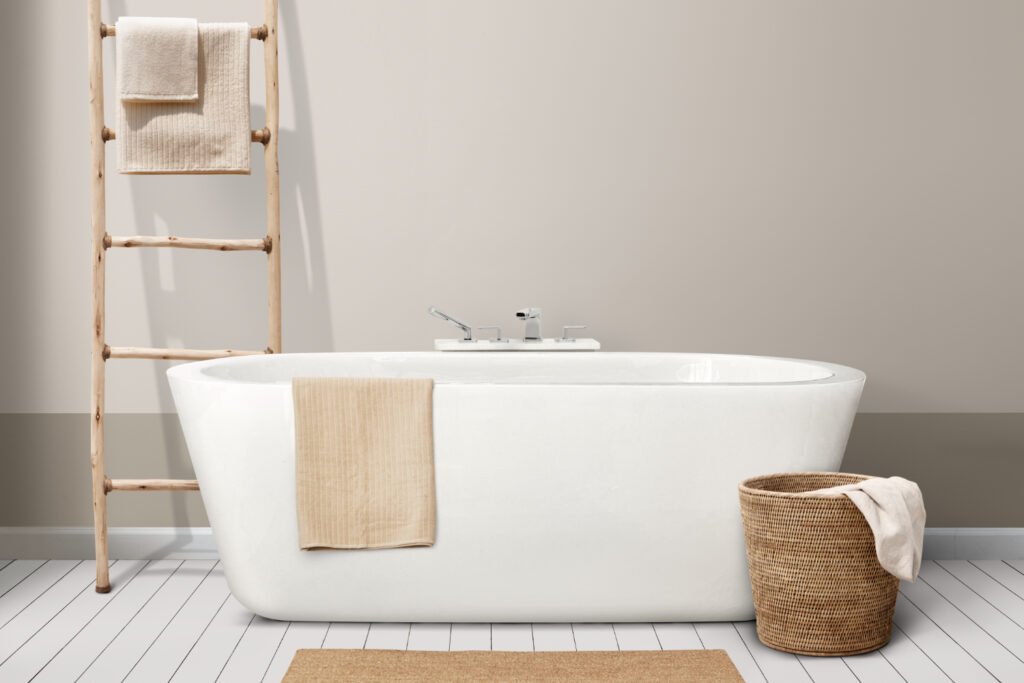
Choosing the right bathtub can change the look and feel of your bathroom. With so many styles available, from classic clawfoot tubs to modern whirlpool designs, it’s important to understand your options. Each type of bathtub has its own features and benefits suited to different preferences and spaces. Freestanding and clawfoot tubs offer elegance and can become a centrepiece in your bathroom. Installed options like alcoves and drop-in tubs provide space-saving solutions. Whirlpool and soaking tubs offer luxurious comfort with hydrotherapy benefits if you want something special. Finding the perfect bathtub involves considering your bathroom layout, personal taste, and how you intend to use the tub. Whether you want a tub for quick showers or to enjoy long, relaxing baths, there’s a perfect option out there for you. By understanding the different types of bathtubs, you can make a choice that suits both your practical needs and design aspirations. Freestanding and Clawfoot Tubs Freestanding and clawfoot tubs add a classic touch to any bathroom. These tubs are known for their elegant designs and placement flexibility since they don’t need wall support. A freestanding tub can sit anywhere that suits the space, providing a focal point that enhances the bathroom’s appeal. Clawfoot tubs, a type of freestanding tub, are distinct with their raised, claw-like feet, adding a vintage charm. These tubs are perfect if you’re aiming for a traditional look. Both types come in various materials like cast iron, acrylic, or stone, so you can choose one that fits your style and budget. A key advantage of these tubs is their versatility. Some benefits include: – Easy installation without the need for tiling or enclosing.– Available in a wide range of shapes, sizes, and colours to suit different tastes.– More space around the tub can make your bathroom feel larger if properly placed. Consider the weight and plumbing needs of these tubs. It’s important to ensure your bathroom floor can support a heavy tub, especially if you choose cast iron. Additionally, freestanding tubs require special taps that might extend from the floor or be mounted nearby, so plan the plumbing layout accordingly. Alcove and Drop-In Bathtubs Alcove and drop-in bathtubs are popular choices for those who want practicality and space-saving benefits. An alcove tub fits between three walls, efficiently utilising corner spaces, making it perfect for smaller bathrooms or combined shower and bath setups. These tubs are often rectangular, offering a simple yet effective design. Drop-in tubs offer more design flexibility as they are installed in a pre-built deck or surround. The tub itself is dropped into the frame, allowing for creativity in edges and tiling. This type can fit into a wide variety of spaces, providing a sleek, integrated look. Benefits of these tubs include: – Cost-effectiveness, especially for alcove tubs, due to straightforward installation.– Space efficiency, ideal for bathrooms where you need to maximise every inch.– Versatile installation options for drop-in tubs, enabling customisations to suit your style. When choosing between these two options, think about your bathroom layout and how you’ll use the tub. Alcove tubs are great for practicality and access, especially when paired with a shower head. Drop-in tubs offer a touch of luxury, particularly when fitted into a custom surround that enhances the bathroom’s aesthetic. Consider accessibility, maintenance, and plumbing requirements to find the tub that best suits your lifestyle. Corner and Oval Bathtubs Corner and oval bathtubs offer a unique use of space and design that brings a distinct style to any bathroom. Corner tubs fit snugly into a three-sided nook, making them an excellent choice for bathrooms that might not have the width for a standard tub. They maximise floor space by using the less utilised corners, allowing for more room throughout the bathroom. These tubs often feature a large, open bathing area, ideal for those who like to stretch out. Depending on the model, corner tubs can provide a luxurious bathing experience with multiple seating options. They also make a great statement piece if you’re looking to add a bit of flair to your space. Oval bathtubs, on the other hand, are favoured for their smooth, rounded design, which enhances the aesthetic of most bathroom styles. They are often freestanding, adding an element of elegance. Oval tubs are versatile and can be a good option if you want a more contemporary look. Considerations when choosing corner and oval bathtubs include: – Available space in your bathroom to determine if the unique shapes will fit comfortably.– Desired style, as both types can add distinct design elements to your bathroom.– Installation needs, since both can require different plumbing arrangements. Whirlpool and Soaking Tubs Whirlpools and soaking tubs are synonymous with luxury and relaxation. Whirlpool tubs incorporate jets that propel water mixed with air, perfect for a delightful massage-like experience. The jets can help alleviate muscle tension and provide a spa-like feel right at home. Soaking tubs are designed for long, calming baths, allowing you to immerse yourself fully in water. These tubs have deep designs, perfect for those who enjoy relaxing without any distractions. They lack jets, offering a quieter environment for lounging. When considering these tubs, take into account: – Your preference for hydrotherapy benefits with whirlpool jets, which can be therapeutic.– The desire for quiet relaxation with soaking tubs that focus on depth and warmth.– Installation and maintenance, as whirlpool tubs require more detailed plumbing and cleaning. Both types focus on relaxation but cater to different needs and preferences. Whether you lean towards the therapeutic massage of a whirlpool or the serene embrace of a soaking tub, both aim to provide ultimate comfort. Conclusion Choosing the right bathtub involves understanding the options available and how each fits into your bathroom’s design and function. Whether the elegance of a clawfoot tub enchants you, the efficiency of an alcove design, or the luxury of a whirlpool, each type serves a unique need. Considering your space, style, and practical requirements can guide you to the perfect tub for your home. A well-chosen bathtub can
Tips for Choosing the Right Toilet for Your Bathroom
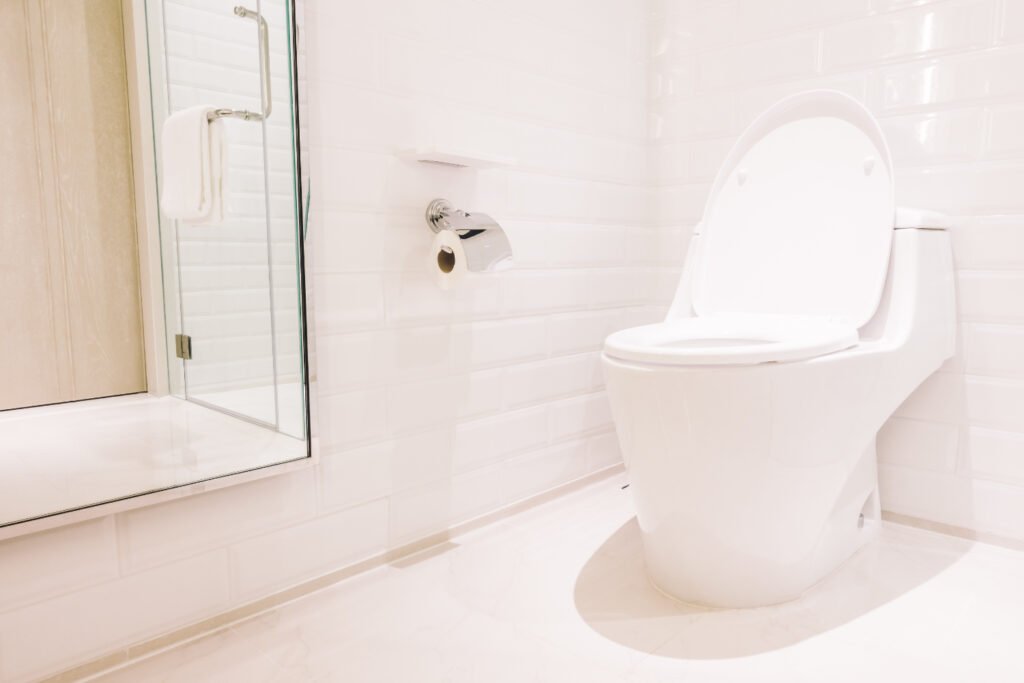
Installing a new toilet can dramatically improve your bathroom’s functionality and style. The right choice caters to your specific needs and enhances your overall bathroom experience. From understanding the available space to considering different toilet types, making an informed decision ensures you get the most out of your investment. Not all toilets are the same; they come in various designs and features tailored for different preferences and requirements. Considering factors like water efficiency and functionality can significantly affect your monthly bills and environmental footprint. Water-saving models can offer long-term benefits, combining performance with sustainability. You can balance aesthetics and practical use by carefully evaluating your bathroom layout and the attributes of different toilet models. The result is a well-chosen toilet that not only enhances comfort but also aligns with your personal style. Whether you’re renovating or setting up a new bathroom, finding the perfect fit starts with understanding your options. Evaluating Bathroom Space and Layout Before choosing a toilet, it’s crucial to evaluate your bathroom’s space and layout. Begin by measuring the area where the toilet will be installed. Take note of the distance from the wall to the drain, commonly referred to as the rough-in measurement. This will determine the types of toilets that will fit in your space. Consider how much room you have for the toilet bowl and tank. In smaller bathrooms, a compact toilet might be the best choice, leaving enough space for comfortable use without cramping the area. Larger bathrooms can accommodate more elaborate designs. Pay attention to the door’s swing and any cabinets or fixtures that could interfere with the toilet space. You want to ensure there’s enough room to open doors easily and navigate around the bathroom without obstruction. Here are key points to consider: – Rough-In Measurement: Find out the distance between the wall and drain for proper fit.– Bowl Size: Choose between standard and compact based on available space.– Entrance and Fixture Clearance: Ensure doors and fixtures won’t block access. Evaluating these aspects ensures the toilet you select fits well into your bathroom layout, giving you ease of movement and an efficient use of space. Understanding Different Toilet Types Toilets come in various types, each with specific features to consider. Understanding these can help you find the most suitable one for your home. The main types include one-piece, two-piece, wall-mounted, and smart toilets. 1. One-Piece Toilets: These combine the tank and bowl into a single unit. They often have a sleek design and are easier to clean, as there are fewer crevices. 2. Two-Piece Toilets: This traditional style separates the tank and bowl. They are usually more cost-effective and simpler to install. 3. Wall-Mounted Toilets: Attached directly to the wall, these toilets save floor space and give a modern look. They require special plumbing but offer easy cleaning beneath the bowl. 4. Smart Toilets: These high-tech options offer features like heated seats, automatic flushes, and bidet functions. While they cost more initially, they provide advanced convenience and comfort. Each type offers different benefits, so consider what’s most important for your space and lifestyle. Selecting the right toilet type enhances your bathroom experience by aligning with your needs and preferences. Considering Water Efficiency and Features When selecting a toilet, water efficiency is a crucial aspect that affects both the environment and your water bill. Modern toilets are designed to use less water while still providing powerful flushing. The Water Efficiency Labelling and Standards (WELS) scheme rates toilets on how much water they use per flush. A higher star rating means better efficiency. Many water-efficient toilets now include dual-flush technology. This allows you to select a half-flush for liquids and a full flush for solids. This feature significantly reduces overall water usage without compromising performance. Other features to consider include: – Pressure-Assisted Flush: Uses air pressure to boost the flushing power while using less water.– Gravity-Feed Systems: Rely on gravity to aid flushing with minimal water.– Eco-Friendly Models: Often use reclaimed water or have advanced mechanisms to minimise consumption further. Choosing a toilet with these features not only helps conserve water but can also lead to savings on your utility bills. Understanding these options ensures you select a model that meets your needs and supports sustainable practices. Matching Style and Functionality Toilets are no longer just about function; style also plays a significant role in design choices. A well-chosen toilet can complement your bathroom aesthetics, tying the entire space together. Consider both the shape and colour of the toilet to ensure it matches the rest of your bathroom decor. Round bowls are compact and fit well in smaller spaces, while elongated bowls offer more comfort. Colours can range from classic white to more unique hues, allowing for personalisation. Consider modern features like sleek lines or a concealed trapway for a cleaner look. Key style considerations include: – Bowl Shape: Choose round for smaller spaces or elongated for comfort.– Colour Options: Complement existing bathroom design with matching shades.– Design Elements: Opt for modern styles with concealed features for a sleek look. By considering both style and functionality, you ensure your toilet not only performs well but also enhances the visual appeal of your bathroom. A harmonious blend of aesthetics and utility makes for a more enjoyable and practical space. Conclusion Finding the perfect toilet is about more than just picking a piece that fits; it’s about improving your bathroom’s utility and style. By evaluating the space, understanding the types available, and considering water efficiency and aesthetics, you make a decision that benefits both your household’s needs and the environment. A well-chosen toilet enhances bathroom comfort and supports sustainable living, aligning with modern expectations for functionality and design. Ready to enhance your bathroom with the perfect toilets in Melbourne? Explore our wide range at CARGO Bathroom & Kitchen and discover styles that fit your budget and design goals. Let us assist you in creating a beautiful, efficient bathroom space tailored to your needs. View our collection and make your choice today.
How to Pick the Perfect Vanity for Small Bathrooms
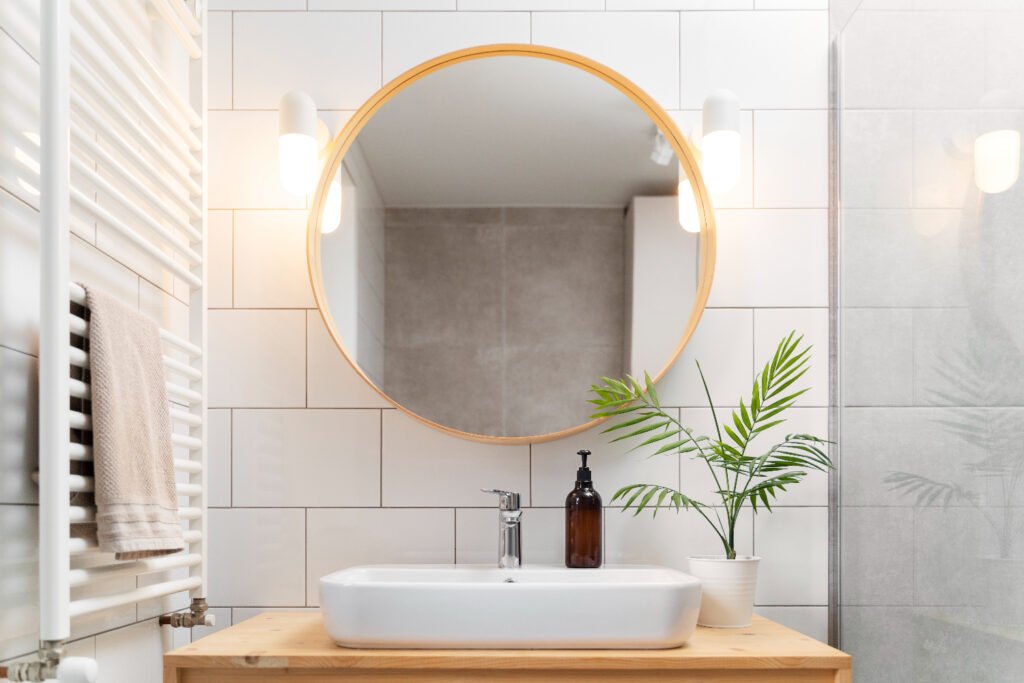
Selecting the perfect vanity for a small bathroom can transform your space. When room is limited, every detail matters. It’s important to choose a vanity that fits comfortably while providing the storage and functionality you need. Style and practicality must go hand in hand to make the most out of your compact bathroom. You don’t have to sacrifice style for space. By carefully considering the size and design of your vanity, you can create a bathroom that feels both spacious and welcoming. There are various styles and finishes available that suit any aesthetic, ensuring your bathroom remains a reflection of your taste. A well-chosen vanity not only serves as a functional piece but also enhances the overall look of your bathroom. Carefully assessing your space and understanding your needs are essential steps in finding the right fit. By optimising storage and selecting durable materials, your vanity can become a central piece that maximises efficiency without compromising on style. Assessing Your Space and Needs Before you choose a vanity, take a good look at your bathroom space and consider what you need. Measuring the area correctly is the first step. Make sure you account for the width, depth, and height to ensure the vanity fits comfortably without blocking any bathroom features, like the door or shower. Consider who will use the vanity and how much storage they need. Think about items you’ll store, such as toiletries and towels, and who will be using the space. If it’s a shared bathroom, you might want more storage space. For personal use, a smaller vanity might suffice. Keep these factors in mind: 1. Measure precisely to accommodate plumbing and ensure no awkward gaps. 2. Consider door swings and drawer pulls to allow smooth movement. 3. Observe the room’s natural traffic to avoid disrupting the flow. 4. Plan for plumbing, ensuring the vanity suits existing fixtures or adaptations. A clear understanding of your space and needs helps you choose a vanity that fits well and functions properly. Selecting the Right Vanity Style and Size Choosing the right style and size for your vanity involves balancing function with aesthetics. Consider the overall design of your bathroom. A modern bathroom might benefit from a sleek, wall-mounted vanity, while a rustic bathroom might look best with a traditional freestanding unit. Size is crucial in a small bathroom. A compact vanity can provide storage without overwhelming the room. Wall-mounted vanities save floor space and create a more open feeling. Petite pedestal sinks might suit tiny bathrooms, but ensure you still have some storage elsewhere. Think about these style options: – Wall-Mounted Vanities: Ideal for small spaces, offering a modern look. – Freestanding Vanities: Versatile with traditional charm, but choose smaller models for tight areas. – Corner Units: Great for making use of neglected corner spaces. When selecting a vanity, imagine how it complements your bathroom’s existing elements. It should harmonise with other fixtures, tiles, and colours to create a cohesive look. The right style and size can make your bathroom a more inviting and functional space. Optimising Storage Solutions Finding clever storage solutions is crucial in a small bathroom where space is premium. A well-designed vanity provides ample storage without taking up much room. Think about the storage you need and how best to organise it. Look for vanities with built-in shelves or drawers. These help you keep essentials within reach. Adjustable shelving lets you modify storage to fit taller items. Use drawer organisers to separate small items and avoid clutter. Consider these storage ideas: – Pull-Out Shelves: Offer easy access to hidden spaces inside cabinets. – Overhead Cabinets: Utilise vertical space without encroaching on floor areas. – Under-Sink Organisers: Make good use of the usually cluttered space beneath the basin. Floating vanities add extra convenience by freeing up floor space. Use baskets or bins below the vanity for additional storage. Always keep in mind how much hidden storage you really need to keep surfaces clear and tidy, making the bathroom feel more open and organised. Choosing Materials and Finishes for Durability Selecting durable materials and finishes increases the lifespan of your vanity and ensures it withstands the humid bathroom environment. Look for materials that are water-resistant and easy to clean. Popular choices include solid wood, plywood, and water-resistant MDF, each offering their own advantages. Pay attention to the finish on your vanity. High-quality lacquers and coatings can protect the surface from moisture and everyday wear. Choose finishes that match the overall design of your bathroom to maintain a cohesive look. Here are some material considerations: – Solid Wood: Offers natural beauty and strength but requires proper sealing against moisture. – Plywood: Combines durability with a range of stylish finishes, ideal for vanities. – MDF with Veneer: Cost-effective yet durable when sealed properly for damp environments. Ensure metal hardware, like handles and hinges, resist rust and corrosion. Selecting the right materials not only boosts the vanity’s lifespan but also maintains a fresh and stylish appearance for years to come. Conclusion Choosing the perfect vanity for a small bathroom involves several key considerations. By thoughtfully assessing your space and needs, you can select a vanity that fits well and functions efficiently. The right style and size can dramatically enhance both the look and usability of your bathroom. Prioritising storage solutions will help keep your space free from clutter, while durable materials ensure your vanity stands the test of time. A carefully chosen vanity becomes more than just a piece of furniture; it transforms the bathroom experience into an easier, more enjoyable part of daily life. Each decision, from storage to style, contributes to a seamless blend of function and aesthetics. Whether modern or traditional, your vanity should complement the bathroom atmosphere while providing practical benefits. Thoughtful choices make even the smallest bathroom feel expansive and welcoming. For expert assistance in selecting the ideal bathroom vanity units in Melbourne, check out CARGO Bathroom & Kitchen. Our comprehensive collection of vanities suits all styles and storage needs, ensuring you find the
Common Mistakes in Bathroom Renovations and How to Avoid Them
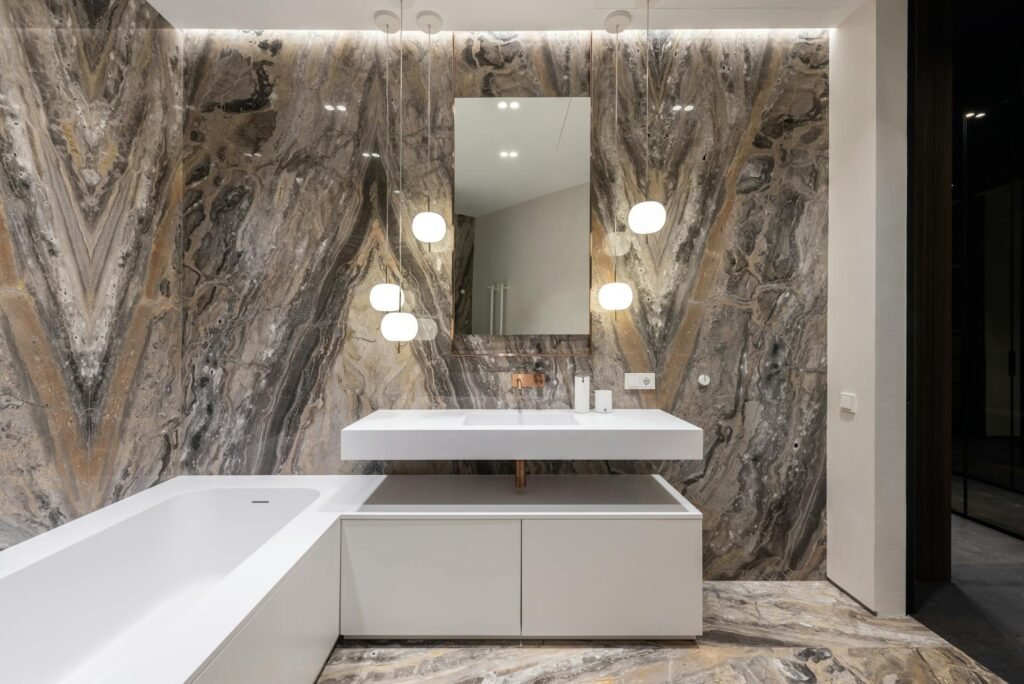
Renovating a bathroom can be an exciting project. It’s a chance to create a space that’s not just functional but also beautiful and relaxing. However, diving into a renovation without proper planning can lead to costly mistakes. Understanding the pitfalls can help you avoid them and make your renovation process smoother. One of the biggest challenges is poor planning and budgeting. It’s easy to underestimate costs or overlook important elements, derailing your project. Another common oversight is ignoring ventilation and lighting, which are crucial for a comfortable and energy-efficient bathroom. Choosing the right materials can also present a challenge. The bathroom environment is humid and needs materials that can withstand moisture while looking great. Additionally, many people overlook storage solutions, leading to cluttered spaces that are hard to use efficiently. By addressing these areas before you begin, you can ensure that your bathroom renovation is successful and stress-free. Careful consideration and preparation will help you achieve the bathroom of your dreams without unnecessary complications. Poor Planning and Budgeting Jumping into a bathroom renovation without a solid plan can turn your dream project into a nightmare. Proper planning and budgeting are crucial. Begin by outlining your goals for the renovation. Are you looking to enhance function, style, or both? Setting clear objectives will help guide your choices and keep you focused. Budgeting is often where most people slip up. It’s essential to have a detailed budget that includes all elements of the renovation. Don’t just account for the cost of materials and labour. Remember to set aside funds for unexpected expenses, which are common in renovation projects. A good rule is to add an extra 10-20% buffer to your total budget. It’s also helpful to prioritise your spending. List out the must-haves and nice-to-haves. This way, if costs start to creep up, you know which areas you can adjust without sacrificing the essential features. For instance, investing in a good quality vanity or energy-efficient fixtures might take precedence over luxury accessories. Engage with professionals when needed. Consulting with a designer or contractor can provide insights into cost-saving measures and alert you to potential challenges. They can also help refine your plans to ensure they align with your budget. Remember, good planning and budgeting can prevent stress and ensure your project stays on track. Ignoring Ventilation and Lighting Overlooking ventilation and lighting in your bathroom renovation is a common mistake. These elements are essential not just for convenience, but for maintaining the bathroom’s condition over time. Poor ventilation can lead to mould and mildew growth, damaging fixtures and surfaces, and posing health risks. Ventilation involves installing a quality exhaust fan. It should be appropriately sized for your space and capable of removing moist air efficiently. Check that it’s installed properly, able to vent air outside, and not just into the attic or ceiling space, which can cause further issues. Lighting is another critical aspect. A poorly lit bathroom can feel cramped and uninviting. Start by ensuring there’s adequate ambient lighting. This can be overhead lights or fixtures that illuminate the whole room. Balance this with task lighting near mirrors or above vanities to help with activities like shaving or applying makeup. Consider using layered lighting by combining ambient, task, and accent lights. LED fixtures are a popular choice as they are energy-efficient and provide clear, bright light. Don’t forget natural light. If possible, incorporate windows or skylights to let in sunlight, reducing the need for artificial lighting during the day. Focusing on ventilation and lighting ensures your bathroom is comfortable and functional, providing a pleasing and healthy environment. Avoiding these mistakes can save time and money in the long run by preserving your renovation efforts. Choosing Inappropriate Materials Selecting the right materials is crucial for a successful bathroom renovation. The bathroom is a damp and humid environment, so materials must withstand these conditions. Picking inappropriate materials can result in damage, costly repairs, and even affect the longevity of your renovation. Start with the flooring. Tiles are popular because they’re water-resistant and durable. Porcelain and ceramic tiles are great choices for bathroom floors due to their durability and variety of designs. Avoid wood or carpeted flooring, as they don’t handle moisture well and can easily get damaged. For walls, moisture-resistant paint is essential to prevent mould and peeling. Tiles on the walls can add a touch of style and provide extra protection, especially in areas prone to splashes like around a shower or bath. Pay attention to the countertops and vanities as well. Consider materials like quartz or granite, which are sturdy and resist water damage. It’s wise to seek expert advice when choosing materials. Professionals can recommend the best options that fit your aesthetic and practical needs. Ensuring you invest in quality materials will save you time and money, keeping your bathroom beautiful and functional for many years. Overlooking Storage Solutions Storage is an important aspect of bathroom design that is often overlooked. A bathroom lacking sufficient storage can quickly become cluttered and disorganised, making it hard to enjoy your new space. Begin by assessing your storage needs. Consider items you use regularly, like toiletries, towels, and cleaning supplies. Once you know what needs storing, you can determine the best solutions. Use vertical space effectively. Install wall-mounted cabinets or shelves to keep the floor clear. Floating shelves offer a modern look and add display space for decorative items. Vanities with built-in drawers or cabinets are excellent for maximising storage. Choose vanities that include organised compartments, making it easy to keep everything neat. If space is tight, look for slim or corner units that provide storage without taking up too much floor space. Don’t forget about behind-the-door storage. Hooks or hanging organisers can effectively use unused space on the back of doors for towels or robes. Consider baskets or bins inside cabinets to keep items contained and tidy. Focusing on smart storage solutions can make your bathroom more efficient and pleasant to use, ensuring it remains a stress-free, clutter-free environment. Conclusion Renovating
Excellent Tips for Picking the Ideal Bathroom Cabinets
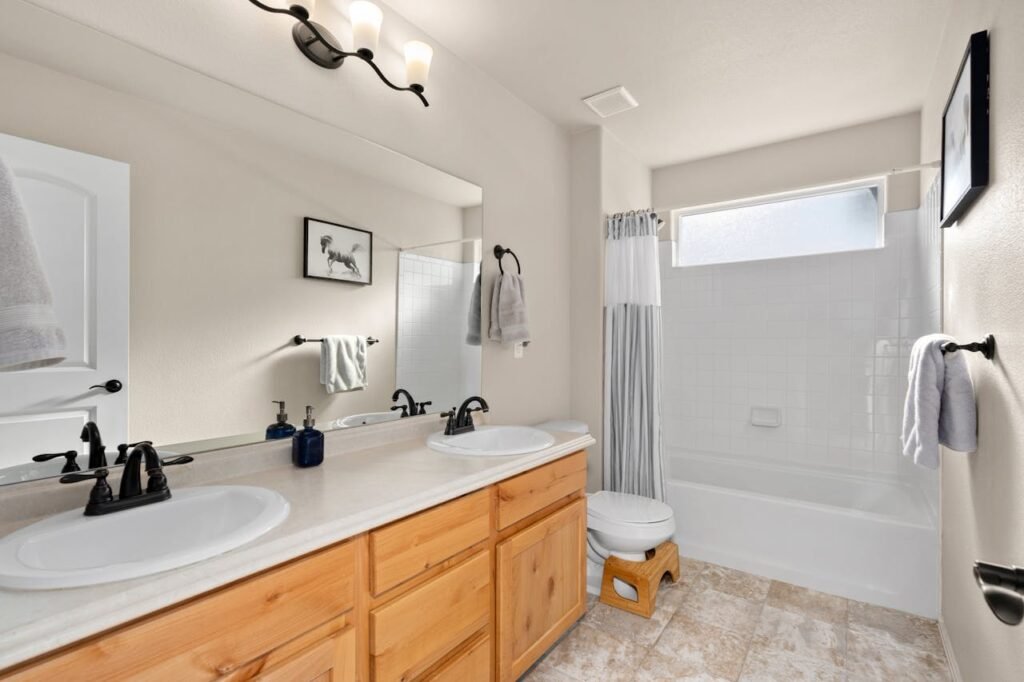
Picking the right bathroom cabinets is essential for a well-organised and stylish bathroom. Cabinets help you keep your toiletries, towels, and other essentials neatly stored, making your bathroom look tidy and feel more functional. With so many options available, it can be overwhelming to decide which cabinets are best for you. Understanding your storage needs is vital. Different bathrooms require different storage solutions, especially if multiple people use the space. Having enough room for all your items can make your daily routine smoother and more enjoyable. Choosing a cabinet style that matches your bathroom décor is equally important. The right style can enhance your bathroom’s overall look. Whether you prefer a modern, minimalist design or a more traditional appearance, there’s a cabinet style out there for you. Materials and finishes also play a big role in the durability and aesthetics of your bathroom cabinets. From wood to laminates, choosing the right material will ensure your cabinets withstand the humid bathroom environment. Each material offers unique benefits and looks, so it’s essential to know what fits your needs best. Budgeting and planning for installation are crucial steps in the process. Cabinets come in a wide range of prices, and setting a budget helps you make informed choices. Proper planning ensures your new cabinets fit perfectly and function well in your space. Read on to discover detailed tips on selecting the perfect bathroom cabinets to suit your needs and style. Understanding Your Storage Needs Before you choose bathroom cabinets, think about what you need to store. Assessing your storage needs helps you pick cabinets that fit your lifestyle. Start by making a list of all the items you use daily in your bathroom. These might include toiletries, cleaning supplies, towels, and extra toilet paper. Consider how many people use the bathroom. A family bathroom will generally require more storage space than a guest bathroom. If kids use the bathroom, think about their needs too. Easy-to-reach shelves or drawers might be necessary for their daily essentials. Maximising space is important, especially in smaller bathrooms. Look for cabinets with multiple drawers, shelves, or built-in organisers. Corner cabinets and over-the-toilet storage can make good use of space that might otherwise go wasted. Think about whether you need closed storage to keep things out of sight or open shelves for easy access. Choosing a Style That Matches Your Bathroom The style of your cabinets should complement your bathroom’s overall look. Start by identifying your bathroom’s current style. Is it modern, traditional, or something in between? Understanding the existing décor helps you pick cabinets that enhance the space. For a modern bathroom, sleek, minimalist cabinets with clean lines are a great choice. Think about materials like glass and metal for a contemporary feel. Handleless cabinets can also add to the streamlined look. If your bathroom has a more traditional style, consider cabinets with ornate details and warm wood finishes. Raised panel doors and antique brass handles can add a classic touch. For a coastal look, opt for cabinets with a light, airy finish, like white or pastel blue. Mixing and matching styles can also work well if done thoughtfully. Combining a modern vanity with traditional elements can create a unique look. Just make sure the overall design feels cohesive. By choosing a style that matches your bathroom, you’ll create a harmonious and inviting space. Materials and Finishes: What to Consider Selecting the right materials and finishes for your bathroom cabinets ensures they last and look great. Different materials offer varying durability and style options, so think about what works best for your space. Wood is a popular choice for bathroom cabinets. It’s strong, looks beautiful, and you can stain or paint it to match any décor. Solid wood is the most durable option, but it can be pricey. Plywood is a good alternative that offers solid wood’s look at a lower cost. Laminate cabinets are another option. They are budget-friendly and come in a wide range of colours and patterns. They are easy to clean and maintain, making them a practical choice for busy bathrooms. However, they may not be as durable as solid wood. Metal and glass cabinets give a sleek, modern look. They are easy to clean and resistant to moisture, but they can be more expensive. These materials are ideal for a contemporary bathroom. When it comes to finishes, think about both functionality and style. Glossy finishes can make your bathroom look bigger and are easier to clean. Matte finishes offer a more subtle, sophisticated look but may show smudges and fingerprints more easily. Budgeting and Planning for Installation Budgeting and planning are crucial steps in choosing the perfect bathroom cabinets. Knowing how much you can spend helps you narrow down your options and avoid overspending. Plan your budget by listing all the costs associated with the cabinet purchase and installation. Start by researching the average prices for different types of cabinets. This includes the cost of materials, finishes, and any custom features you might want. Additionally, consider the cost of hardware like handles and knobs. Small details can add up quickly. Next, factor in the installation costs. Professional installation ensures your cabinets are properly fitted and secure. While it might seem cheaper to install them yourself, hiring a professional can save you time and prevent costly mistakes. Check reviews and get quotes from several contractors to find the best deal. Plan your installation timeline carefully. Coordinate with contractors and order your cabinets well in advance to avoid delays. Setting a clear timeline will help keep your project on track and within budget. Conclusion Choosing the perfect bathroom cabinets requires considering several factors, from understanding your storage needs and selecting a style to choosing the right materials and finishes. Proper planning and budgeting are equally important to ensure your project stays on track and delivers the desired results. Whether you’re renovating a small guest bathroom or a large family bathroom, making informed choices about your cabinets can transform the space and improve functionality.