Best Materials for Bathroom Vanities
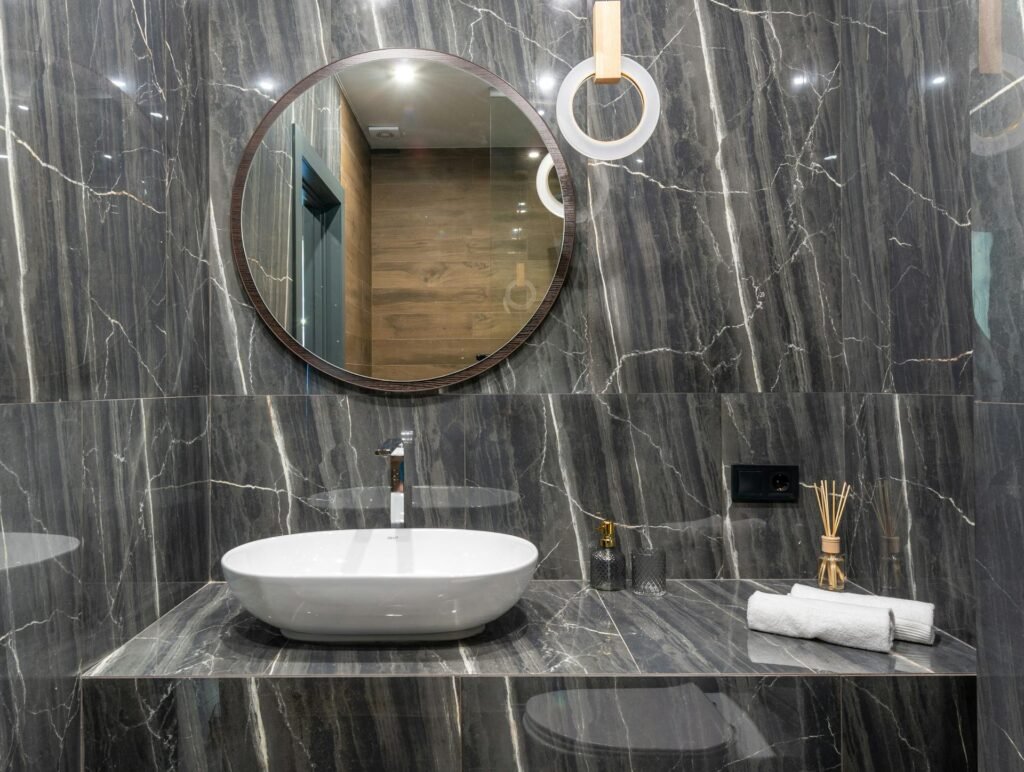
Choosing the right material for your bathroom vanity can make a huge difference in the overall look and functionality of your bathroom. A great vanity not only serves as a practical storage solution but also adds style and character to your space. With so many materials to choose from, finding the right one can be a bit overwhelming. Materials like wood, laminate, and stone each offer unique benefits that can enhance your bathroom’s design. The material you choose affects not just the vanity’s durability, but also its maintenance needs and cost. With an eye toward both practicality and aesthetics, selecting a material that matches your lifestyle and taste is essential. As we explore various materials, consider how they align with your vision for a perfect bathroom. Whether you’re seeking something traditional or leaning toward modern, the material choice is the first step in crafting a vanity that complements your space beautifully. Understanding the Importance of Material Choice When choosing a material for your bathroom vanity, consider how it will impact both durability and aesthetics. A vanity is more than a functional piece; it sets the tone for your entire bathroom’s look. Durable materials resist wear and tear, ensuring your vanity withstands the test of time. Aesthetically pleasing materials add elegance, making daily routines more enjoyable. Maintenance is another key factor. Some materials, like solid wood, may require regular sealing to prevent water damage, while others, such as laminate, offer easy cleaning with minimal effort. Stone materials like granite or quartz boast longevity but may need occasional polishing to maintain their lustre. Understanding maintenance needs helps you choose a vanity that suits your lifestyle without requiring excessive upkeep. Material choice also influences cost and environmental impact. Natural materials like stone and wood can price higher than synthetics like laminate, but they often offer a longer lifespan. On an environmental note, sustainable materials can minimise your eco-footprint. Options like recycled wood or low-emission veneers provide stylish solutions with an eye towards sustainability. Deciding on a material that balances beauty, durability, maintenance, cost, and environmental impact leads to smarter choices and greater satisfaction. Popular Materials for Bathroom Vanities Exploring popular materials helps make an informed choice for your bathroom vanity. Here are some common options: Wood: Offers natural warmth and rich grains. It’s versatile, fitting both contemporary and classic styles but requires care to avoid moisture damage. Laminate: Provides durability and low maintenance, coming in a wide range of colours and patterns. However, it may lack the upscale feel of solid wood or stone. Metal: Includes stainless steel or aluminium, ideal for industrial or modern designs. Metal vanities resist corrosion but could be prone to scratches. Each material brings distinct benefits and drawbacks. Wood provides timeless appeal, while laminate is budget-friendly and practical. Metal offers sleek, modern aesthetics, though it may not suit all design preferences. Current trends show a rise in mixed-material vanities, combining textures and finishes for a unique look. For example, pairing wood with metal accents can add character and contrast. Selecting from these popular materials allows for creativity, helping craft a vanity that perfectly matches your bathroom’s style and functional needs. Innovative and Sustainable Options Exploring eco-friendly materials for your bathroom vanity can help reduce environmental impact while maintaining style. Bamboo is a sustainable choice, known for its rapid growth and natural beauty. It creates a warm, natural look and holds up well in humid environments, making it perfect for bathrooms. Recycled materials like glass or metal offer durability and a modern aesthetic. They also reduce waste, as they are repurposed from previously used items. Engineered stone and composite materials are excellent options for those seeking sustainability. Engineered stone, like quartz, mimics the elegance of natural stone but offers improved durability and resistance to stains and scratches. Composites, often made from recycled paper or resin, combine durability with unique design possibilities, offering a variety of colours and textures. When selecting materials with a sustainability focus, consider certified eco-friendly products that lower environmental impact throughout their lifecycle. Look for certifications such as FSC (Forest Stewardship Council) for wood or GREENGUARD for indoor air quality assurance. These marks indicate rigorous standards in the eco-friendliness of the product. Customising Your Vanity with Material Finishes The finish you choose for your vanity plays a crucial role in its overall look and feel. A gloss finish can create a sleek, modern appearance and is easy to clean. However, it may show fingerprints and smudges more easily. Matte finishes offer a more understated look and are great for hiding imperfections, making them a practical choice for busy households. When matching finishes with existing bathroom decor, consistency is key. Coordinate the vanity finish with your bathroom tiles or fixtures for a harmonious look. For example, if your bathroom features chrome fixtures, a gloss finish can match the reflective quality, creating a cohesive design. Combining materials can result in a unique vanity design that stands out. Pair contrasting textures, such as a smooth stone countertop with a textured wood base, to add depth and interest. Mixing two or more materials allows you to tailor your vanity to your taste and fit seamlessly with your overall bathroom style. Conclusion Selecting materials and finishes for your bathroom vanity requires balancing style, durability, and sustainability. Innovative and eco-friendly options like bamboo and engineered stone give you the chance to create a beautiful and responsible space. By understanding how different finishes impact both aesthetics and practical use, you can design a vanity that complements your bathroom and meets your lifestyle needs. Your vanity is more than just a functional piece; it sets the tone for the entire bathroom. Whether you’re remodelling or designing a new space, taking time to choose the right materials and finishes ensures a lasting and appealing result. Each decision you make contributes to a bathroom that is both functional and stylish, reflecting your unique personality. Transform your bathroom into a stunning sanctuary with CARGO Bathroom & Kitchen. Discover our wide range of sustainable and stylish vanity
Essential Steps for a Successful Bathroom Renovation
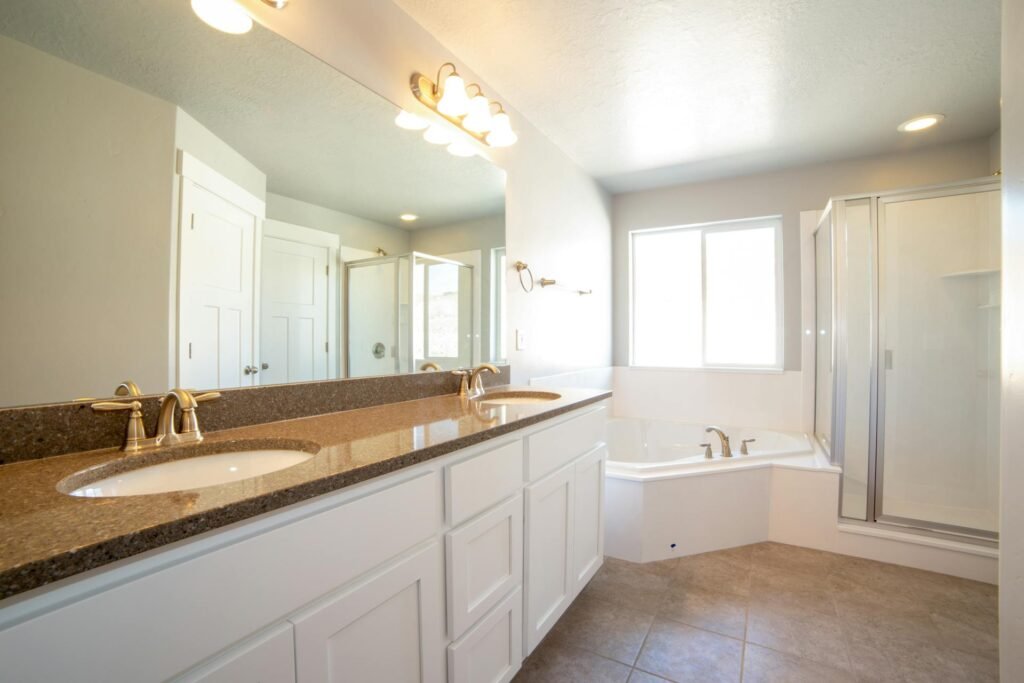
Embarking on a bathroom renovation journey can transform one of your home’s most essential spaces. You can create a bathroom that combines style, comfort, and functionality with the right approach. It’s about making choices that reflect your personal taste while adding value to your home. Choosing the right fixtures and hiring experienced professionals are crucial to bringing your vision to life. These decisions impact both the look and longevity of your renovation. Thoughtful planning and execution lead to a space that’s not just new but truly improved. Planning the Renovation Starting your bathroom renovation requires careful planning. Begin with setting clear goals for what you want to achieve. Whether adding more space, updating outdated features, or creating a spa-like retreat, knowing your objectives will guide the entire process. Once you have your goals, establish a realistic budget—factor in costs for materials, labour, permits, and unexpected expenses to avoid surprises. Next, assess your current bathroom space. Consider what aspects you like and what needs improvement. Measure the area to understand spatial constraints and identify opportunities for layout changes. For example, the shower can be expanded, or the vanity can be repositioned for better flow and usability. Future needs should also influence your planning. Think about how your family might grow or change and how the renovation can enhance your home’s resale value. Will a double vanity add value, or is keeping things minimal more aligned with future trends? Key steps in planning include: – Setting Goals: Decide what changes you want. – Budgeting: Allocate funds for all aspects of the project. – Space Assessment: Measure and note current layout challenges. – Future Considerations: Anticipate how your needs might evolve. Thoughtful planning ensures your renovation meets both immediate desires and long-term expectations. Selecting Quality Fixtures and Materials Choosing the right fixtures and materials is essential for a successful bathroom renovation. Opting for durable and water-efficient options can save money and protect the environment. Look for labels like Water Efficiency Labelling and Standards (WELS) to ensure efficiency without compromising performance. Vanities, toilets, and bathtubs come in various styles and materials. When selecting, consider how each element complements your overall design vision. Traditional, modern, or minimalist—your choice should reflect your taste and your bathroom’s desired ambience. Pay attention to maintenance and longevity as well. Some materials, like natural stone, require more upkeep but offer timeless elegance, while others, like acrylic, provide easy maintenance and a contemporary look. Here’s a quick guide: – Durable Fixtures: Ensure long-lasting quality and efficiency. – Style Options: Match fixtures with your design theme. – Maintenance Needs: Choose materials that fit your upkeep preferences. Selecting quality fixtures and materials will set the foundation for a functional and beautiful bathroom that will last. Hiring the Right Professionals Choosing experienced professionals is crucial for a successful bathroom renovation. Start by researching builders and designers who specialise in bathroom projects. Look for reviews and testimonials from previous clients to gauge satisfaction with their work. Ensure that the professionals you hire are licensed and insured. This protects you from liability and guarantees that they meet industry standards. Experienced contractors can offer valuable insights and prevent costly mistakes. When selecting your team, consider these tips: – Credentials: Verify licences and certifications. – Experience: Look for a track record of successful bathroom renovations. – Communication: Choose someone open to discussing your vision and willing to keep you informed throughout the project. Understanding timelines and scheduling is also important. Discuss your project’s timeline in advance and ensure everyone agrees on deadlines. This will help keep the renovation on track and reduce stress. An organised team ensures a smoother renovation process and delivers a bathroom that meets your expectations. Ensuring Proper Installation and Finishing Touches Quality installation is key to a lasting renovation. Regularly inspecting the work ensures it meets your standards and identifies issues early. Communication with your contractor helps maintain quality and address concerns promptly. Finishing touches like accessories and decor add personality to your bathroom. Choose items that enhance the space while being functional. Consider lighting, mirrors, towel racks, and storage solutions to maximise usability. When finalising your bathroom, focus on functionality and aesthetics: – Inspect Work: Regular checks maintain quality. – Select Accessories: Choose decor that complements the design. – Functionality: Ensure design choices serve practical needs. Attention to detail in finishing touches can transform your bathroom from ordinary to exceptional, blending style with practicality. Conclusion A successful bathroom renovation balances thoughtful planning with quality craftsmanship. From defining renovation goals and budgeting to selecting the right fixtures and hiring skilled professionals, each step plays a role in creating your ideal space. Focusing on functionality alongside aesthetic appeal ensures the bathroom meets both current desires and future needs. Whether you envision a sleek, modern sanctuary or a classic, timeless design, embarking on a renovation journey can be exciting and rewarding. For all your bath and kitchen remodelling needs, CARGO Bathroom & Kitchen offers an extensive range of solutions to transform your vision into reality. Visit our website to explore how we can assist you with high-quality products and professional guidance tailored to your renovation project.
Choosing the Right Sink for Your Bathroom Vanity
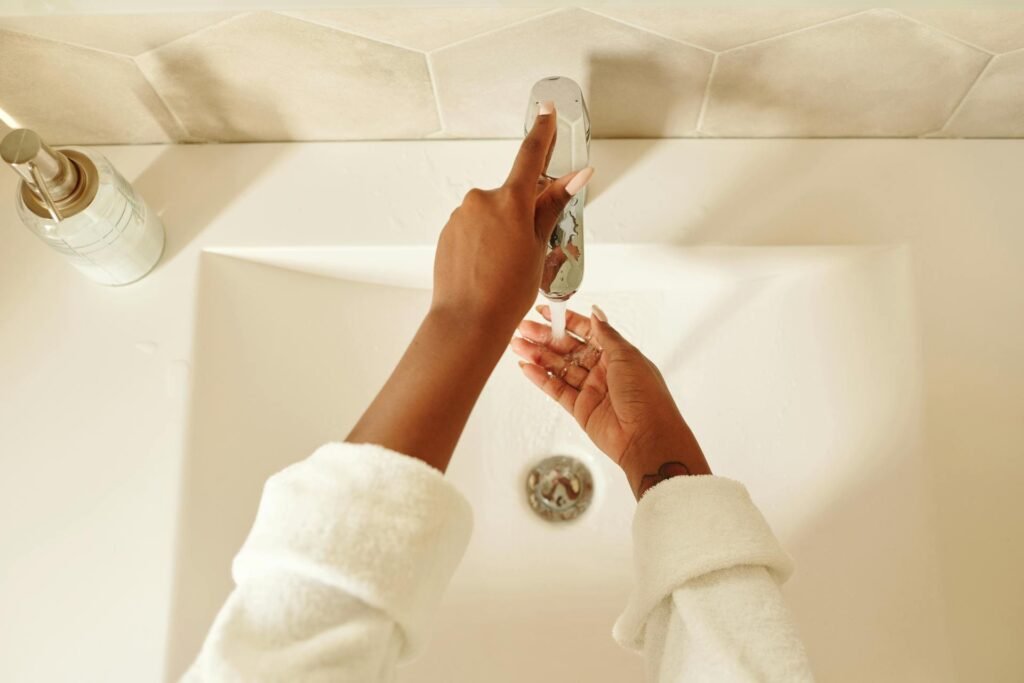
Choosing the perfect sink for your bathroom vanity goes beyond just finding something that looks good. It’s about ensuring the sink fits well with the overall design and is practical for daily use. With so many options available, picking the right one can seem overwhelming. Each bathroom is unique, and the sink is a key element. It affects not only the appearance of your bathroom but also its usability. By knowing what to look for, you can find a sink that suits your needs and enhances the look of your bathroom. Understanding Different Sink Types Selecting the right sink for your bathroom goes beyond aesthetics. The type of sink you select should match your lifestyle and bathroom needs. Here’s a quick guide to different sink types to help you make an informed decision. Pedestal Sinks These are popular for their classic look and space-saving design. Ideal for smaller bathrooms, pedestal sinks consist of a basin supported by a pedestal. They lack storage space but can make your bathroom feel more open. Wall-Mounted Sinks Fixed directly onto the wall, these sinks free up floor space, making them great for compact bathrooms. They offer a modern and minimalist look. However, due to plumbing considerations, they may require professional installation. Undermount Sinks Installed beneath the countertop, these sinks provide a seamless look and make cleaning the countertop easy. They work well with solid surface counters but can be more challenging to install. Vessel Sinks These sit on top of the vanity like a bowl and can be a focal point in your bathroom. They come in various materials and designs, offering versatile style options. Keep in mind that they may require more cleaning around the base. Drop-In Sinks Also called self-rimming sinks, these fit into a hole in the countertop with the rim showing on top. Easy to install, drop-in sinks are compatible with most countertops and styles. Knowing the various sink types helps you choose a design that suits your space while meeting your functional needs. Considering Materials and Durability The material of your bathroom sink affects its appearance, durability, and maintenance. Choosing the right material can enhance your bathroom’s style and functionality. Here are some common sink materials to consider: Porcelain Known for its smooth surface and classic look, porcelain is durable and easy to clean. It resists stains and scratches but can chip if heavy objects are dropped on it. Ceramic Similar to porcelain, ceramic is also tough and easy to maintain. It offers various styles and colours, fitting both traditional and modern designs. Glass Glass sinks are stylish, come in many colours and patterns, and are often used as vessel sinks. They’re visually appealing but can require more frequent cleaning to avoid water spots. Stone (e.g., granite, marble) Stone sinks are luxurious and durable, adding a natural element to your bathroom. They are resistant to heat and scratches but need sealing to prevent stains. Stainless Steel Stainless steel sinks are common in kitchens and are gradually entering bathrooms. They’re durable, resistant to germs and stains, and provide a sleek, modern look. Choosing a sturdy and easy-to-care-for material ensures your sink stays beautiful and functional for years. Consider each option’s maintenance requirements and durability before making your final choice. The right material choice can elevate your bathroom space’s utility and aesthetic. Matching Sink Style with Bathroom Design Selecting a sink that harmonises with your bathroom design is essential for creating a cohesive look. Your sink should complement the overall aesthetic, whether modern, traditional, or somewhere in between. Start by considering the existing style and theme of your bathroom. For a sleek, modern bathroom, select a minimalist sink design. Wall-mounted or under-mounted sinks with clean lines and geometric shapes complement a contemporary style. Vessel sinks can also work if paired with simple, elegant designs. Pedestal sinks offer a classic touch in traditional settings. Their timeless appearance blends well with vintage or country-style bathrooms. Drop-in sinks with ornamented edges may also suit a more traditional look. Rustic or industrial bathrooms might feature vessel sinks made from stone or copper. These materials add a natural or rugged feel, enhancing the overall design theme. Mixing metal finishes, like wrought iron or brushed nickel fixtures, adds character. For eclectic styles, consider combining different elements. A bold, colourful vessel sink can serve as a statement piece, drawing attention and adding flair. Ensure balance by keeping other elements simple to prevent the space from feeling cluttered. By aligning your sink style with the bathroom’s design, you create a visually appealing space that reflects your personal taste. Practical Features for Everyday Use When choosing a bathroom sink, consider practical features that enhance everyday use. Functionality should be a top priority to ensure your sink meets your daily needs without hassle. Consider the size of the sink, especially in relation to your bathroom’s dimensions. Larger sinks offer more space for washing but may not fit well in small bathrooms. Smaller sinks are more suitable for compact areas, but ensure they’re not too small to be functional. Think about faucet compatibility. Some sinks are designed for specific faucet types, such as single-hole or widespread faucets. Ensure your faucet choice matches the sink design to avoid installation issues. Integrated features like overflow drains can prevent accidental spills. A sink with a built-in soap dispenser can save counter space and offer a cleaner look. Assess the ease of cleaning. Sinks with fewer seams or joints, like an under-mount sink, are easier to wipe down and keep clean. Consider the placement of the sink in relation to other fixtures. Something easy to reach and use reduces frustration in everyday tasks. By prioritising these practical features, you create a seamless bathroom, making daily routines simpler and more efficient. Conclusion Choosing the right sink can greatly enhance the look and functionality of your bathroom. Understanding different sink types and selecting the right materials ensures durability and style. Whether for a classic or modern design, there’s a perfect sink to match your vision. Consider functionality
Best Bathtubs for Relaxation
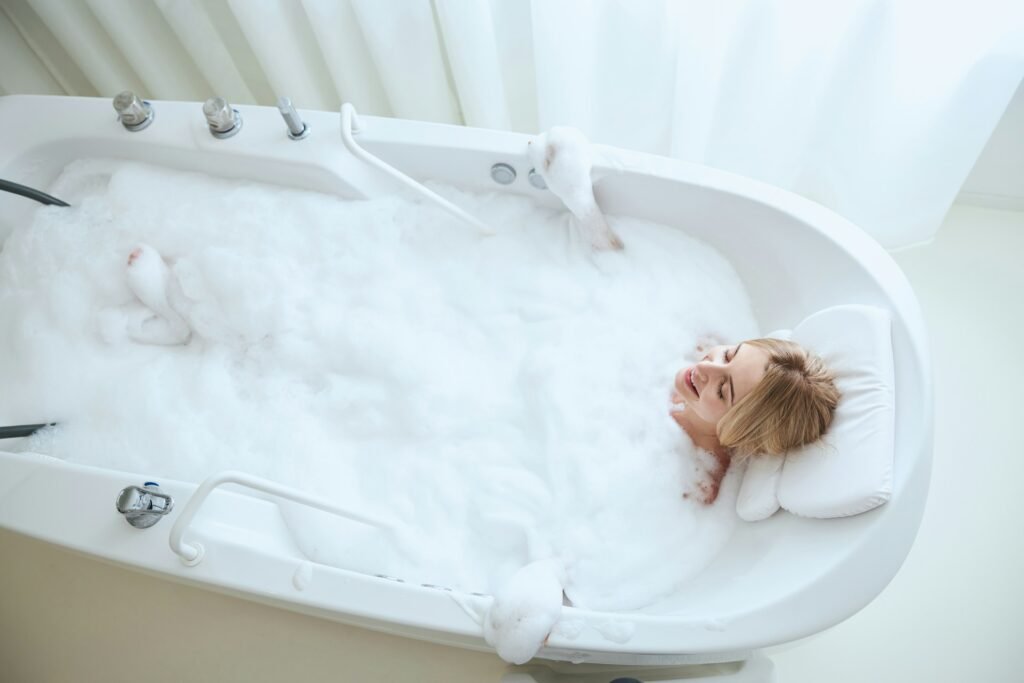
Relaxation is a luxury we all deserve, and what better way to indulge than with a perfect bathtub? The right tub transforms your bathroom into a personal retreat, offering peace and comfort. Whether you’re unwinding after a hard day or setting a calm tone for the weekend, a good soak can work wonders for your mind and body. Choosing the right bathtub involves more than just aesthetics. Considering functions and features that match your relaxation needs is key to enhancing your bath time. From soaking tubs that melt away stress to high-tech innovations that revolutionise comfort, there are many ways to elevate your home spa experience. In this guide, we will explore how the right bathtub can enhance relaxation, presenting a variety of styles and features to transform your bathroom into a haven. Understanding these options helps you select a bathtub that not only suits your space but also enhances your lifestyle for years to come. Soaking Tubs for Ultimate Relaxation Soaking tubs are all about enveloping comfort and stress relief. They offer deep immersion that helps in easing muscle tension and calming the mind. Whether you’ve had a long day or just need to unwind, soaking in warm water provides a quiet escape from the bustle of daily life. When selecting a soaking tub, consider the materials that affect both durability and comfort: – Acrylic: Lightweight and retains heat well, keeping your bath warmer for longer. – Cast Iron: Known for its robustness and incredible heat retention, although it’s heavy. – Stone Resin: Offers a luxurious finish and retains heat while being slightly more affordable than natural stone. The shape and size of the tub also play a significant role in comfort. Oval shapes offer a natural fit for most body types, providing even support from every angle. For those who like to stretch out, longer tubs provide ample space, ensuring you won’t feel cramped. Shapes like Japanese-style soaking tubs focus more on depth than length, perfect for compact spaces while still offering a deep soak. Whirlpool Tubs for a Spa-Like Experience Whirlpool tubs introduce a spa experience right into your bathroom. They come equipped with jets that provide a hydrotherapy massage, ideal for relieving joint pain and enhancing blood circulation. The bubbling water soothes sore muscles and offers therapeutic benefits, making it a popular choice for a home retreat. Key features of whirlpool tubs include: – Adjustable Jets: Customise the intensity and direction of the water flow to target specific muscle groups. – Built-in Heaters: Maintain a consistent water temperature for longer bathing sessions. – Water Filtration Systems: Keep the water clean, reducing the need for frequent changes. Before installing a whirlpool tub, consider a few practical aspects: – Space Requirements: Ensure you have enough room, as these tubs can be bulky. – Weight and Support: Evaluate if your floor can support the filled weight of the tub. – Maintenance: Regular cleaning and maintenance are required to keep the jets functioning efficiently. Understanding these features helps you make an informed decision and embrace a truly invigorating bath time with a whirlpool tub. Freestanding Tubs as a Statement Piece Freestanding tubs bring elegance and a touch of glamour to any bathroom. Their design versatility allows them to seamlessly fit into spaces both large and small, transforming the room into a focal point. They do not require a built-in construction, allowing for flexibility in placement that can highlight other design elements in the space. Choosing a freestanding tub involves understanding its design potential: – Variety of Styles: From classic clawfoot tubs to sleek, modern designs, freestanding tubs cater to diverse tastes. – Materials: Look for options like acrylic for a lightweight choice or cast iron for a more traditional and robust feel. When placing a freestanding tub, consider: – Central Placement: Makes a striking visual statement and eases movement around the tub. – Near Windows: Offers natural lighting and creates a spa-like atmosphere. The durability depends on the material. For long-lasting use, many prefer composite materials or authentic stainless steel, which withstands wear and remains timeless. Smart Bathtub Innovations Incorporating smart technology into bathtubs elevates the relaxation experience. These innovations not only provide convenience but also enhance overall comfort in the bath. Built-in lighting and sound systems transform your bath into an immersive experience, allowing you to set your desired mood with ease. Temperature control features are another highlight, giving you the power to maintain your bathwater at an ideal temperature. This ensures consistent comfort without the need for constant adjustments. With water-saving technologies, smart bathtubs are becoming more eco-friendly. Features like controlled dispensers help in conserving water, appealing to those who are environmentally conscious while also being cost-effective. Incorporating these smart features creates a modern and luxurious bathing experience that feels both effortless and indulgent. Conclusion Enhancing your bathroom with the perfect bathtub is about more than just aesthetics; it’s about creating a space that promotes relaxation and well-being. Whether you opt for the timeless charm of freestanding tubs or the cutting-edge comfort of smart bathtub innovations, the right choice can transform your bathroom into a true sanctuary. CARGO Bathroom & Kitchen offers a variety of bathtubs in Melbourne that are tailored to meet your needs and preferences. Explore our selection to find the perfect blend of style, functionality, and comfort, making every bath a moment of pure bliss. Contact us to discover how we can help turn your bathroom dreams into reality.
Water-Saving Toilets: What You Need to Know
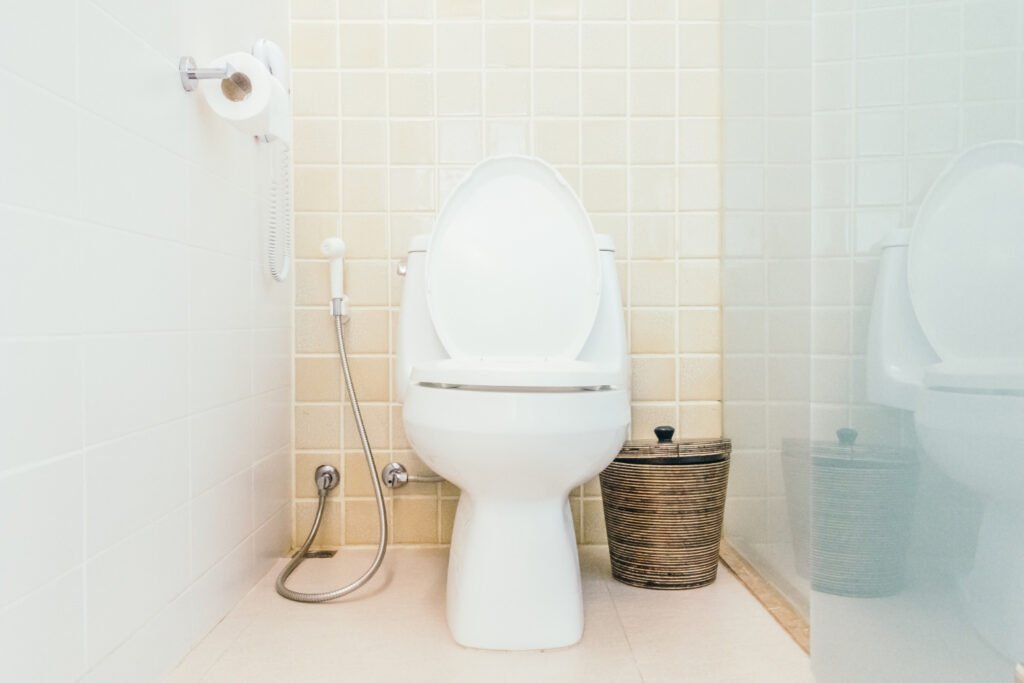
Switching to water-saving toilets can make a big difference in your home. These toilets use less water per flush, helping to conserve resources and lower your water bills. Understanding the features of water-saving toilets is the first step to making a smart choice for your bathroom. Water efficiency doesn’t mean compromising on performance. Water-saving toilets are designed to work just as well as traditional models. Advanced technologies ensure effective flushing with minimal water. Different types of water-saving toilets are available, each offering unique benefits. Choosing the right water-saving toilet is essential to enjoying both performance and savings. With various options in the market, selecting one that fits your home’s needs can be exciting. This guide will help you understand the different features and benefits, ensuring you make an informed decision for a smart and eco-friendly bathroom upgrade. Understanding Water-Saving Features Water-saving toilets are equipped with special features to minimise water usage while maintaining effective flushing. First, it’s important to understand how these features work. They focus on using technology to control the amount of water used per flush, ensuring waste is cleared efficiently without excess water. One key feature is the dual-flush system. This system allows you to choose between two flush options: a smaller amount for liquid waste and a larger amount for solid waste. This simple choice can significantly reduce water consumption over time. Pressure-assisted models use pressurised air to forcefully clear the bowl with less water. This type of toilet is ideal if you’re looking to combine water efficiency with high performance. They’re slightly noisier but very effective. Consider these water-saving features: – Dual-Flush Technology: Offers two options for flushing to save water. – Pressure-Assisted Models: Use air pressure to enhance flushing efficiency. – Gravity-Feed Systems: Rely on the force of gravity to assist the flush, using minimal water. These features make modern toilets better for the environment and your pocket. By understanding what each offer, you can make smarter choices that suit your home’s needs and conservation goals. Types of Water-Saving Toilets There are various types of water-saving toilets available, and knowing their differences helps you pick the right one. Each type has unique advantages tailored to different needs and preferences. 1. Single-Flush Toilets: These toilets use the same amount of water for every flush. Though not as flexible as dual-flush models, many new single-flush designs use less water per flush than older models. 2. Dual-Flush Toilets: These have two buttons or a lever split for the different flush amounts. They are popular due to their efficiency and ability to save a considerable amount of water. 3. Composting Toilets: By using organic material instead of water to break down waste, these toilets are the ultimate in water-saving. They’re ideal for environmentally conscious users, although less common in urban settings. 4. Greywater Toilets: These utilise recycled water from sinks or showers for flushing. They effectively integrate into homes with existing greywater systems, significantly reducing water consumption. Consider the space, installation requirements, and personal needs when choosing from these types. By selecting the right model, you ensure effective performance while contributing to water conservation efforts. Each type offers distinct benefits, allowing you to balance style, function, and efficiency in your bathroom. Benefits of Installing Water-Saving Toilets Choosing water-saving toilets is a smart decision with multiple benefits beyond just cutting water use. First and foremost, you reduce your household’s water bills. By using less water per flush, your annual savings can be significant, especially for larger families where the toilet is flushed frequently. Environmental impact is another important benefit. Using less water helps conserve this precious resource, which is increasingly critical. Water-saving toilets lessen the environmental footprint of your home, contributing to more sustainable living practices. Consider these key benefits: – Lower Water Bills: Reduced water consumption leads to noticeable savings. – Environmental Impact: Helps conserve water and reduce household impact on natural resources. – Government Rebates: In some areas, installing water-efficient toilets can qualify you for rebates or incentives. Modern water-saving toilets often boast sleek designs that enhance the aesthetic of your bathroom while being functional. You enjoy the peace of mind from knowing you’re making a positive environmental choice without sacrificing style or comfort. Tips for Choosing the Right Toilet for Your Home Selecting the right water-saving toilet involves considering several key factors to ensure it meets your needs. Start by evaluating the flush performance. While saving water is important, it should still effectively clear waste. Check the toilet’s flush rating; efficient models usually display this information clearly. Measure the space where the toilet will be installed. Ensure there is enough room for comfortable use and proper installation. Consider the bowl shape, as elongated bowls offer more comfort but require slightly more space than round ones. Follow these steps to make the right choice: 1. Check Flush Ratings: Look for efficient and powerful flushing systems. 2. Measure Space: Ensure appropriate fitting and easy access. 3. Bowl Shape: Decide between elongated and round for comfort and fit. 4. Consider Style: Match the toilet design with your bathroom’s aesthetics. Also, take into account your future needs. A higher seating position might be more suitable for elderly or less mobile users. By considering these tips, you ensure that the toilet you select brings convenience, efficiency, and harmony to your bathroom setup. Conclusion The move towards water-saving toilets represents a pivotal step in both environmental stewardship and savvy home management. These toilets provide the dual benefits of reducing utility costs and demonstrating a commitment to conserving natural resources. Their choice is an easy yet meaningful way to make a positive environmental impact while enhancing your home’s functionality. As you plan your bathroom renovation or new installation, bear in mind the long-term savings and environmental contributions that water-saving toilets offer. By understanding their features and selecting the right model, you ensure both comfort and efficiency in your daily routine. The peace of knowing you’re doing your bit for the planet is a fulfilling bonus. Thinking of upgrading your bathroom with water-saving
Modern Vanity Design Ideas for 2025
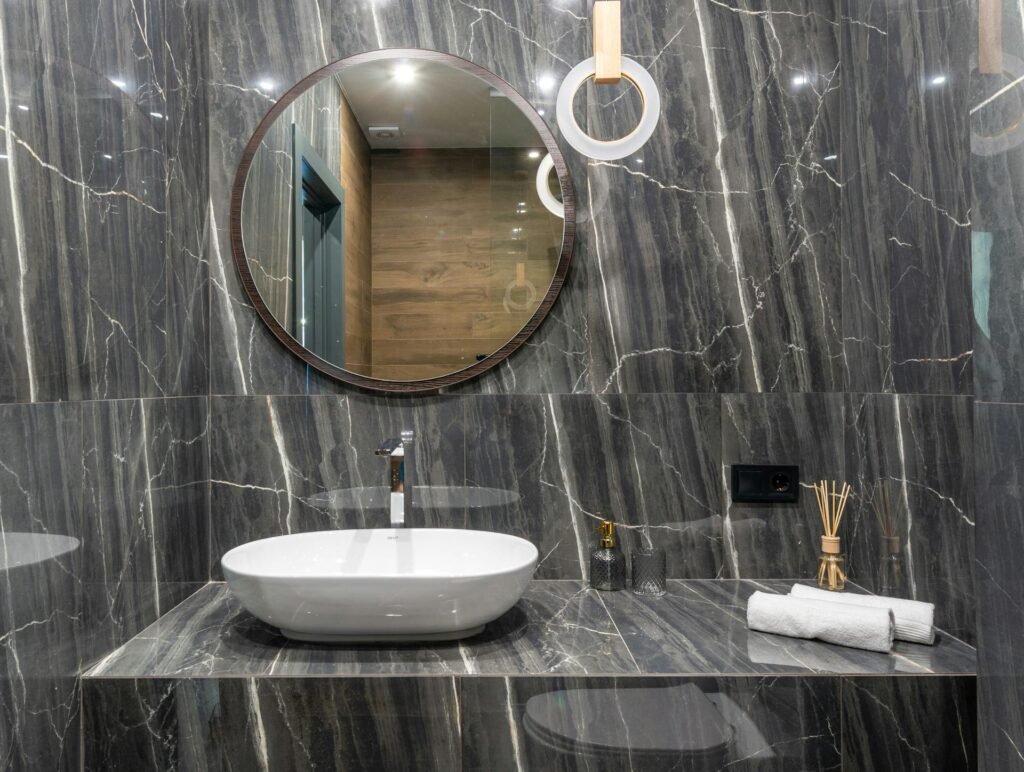
As we move further into 2025, bathroom vanities are making a statement with innovative designs and cutting-edge features. These modern vanities don’t just offer beauty; they promise to enhance your daily routine with practical solutions. From using sustainable materials to integrating smart technology, vanities today are more exciting than ever. The trend towards eco-friendly designs is gaining momentum, with homeowners seeking materials that are both stylish and kind to the planet. This shift in preferences reflects a broader commitment to sustainability in home decoration. Meanwhile, technological advancements are making vanities smarter, offering features that add convenience and efficiency to your bathroom routine. Whether you’re planning a renovation or simply looking for inspiration, there’s a vanity trend that will captivate your interest. With designs that focus on space-saving, custom finishes, and technological enhancement, you’ll explore some of the most exciting vanity ideas that are shaping bathrooms in 2025. Transform your bathroom into a modern sanctuary that reflects both style and functionality. Innovative Materials for Modern Vanities As sustainability becomes more important, the demand for eco-friendly bathroom vanities rises. These vanities are crafted from materials that reduce environmental impact while enhancing aesthetic appeal. Bamboo and reclaimed wood are popular choices due to their renewability and unique grain patterns, offering both style and peace of mind. Incorporating mixed materials can lead to striking visual contrasts and textures. A vanity might combine metal and wood for industrial flair or integrate glass elements to deliver a sleek modern touch. These combinations provide a way to express personal style while maintaining a cohesive design. When selecting materials, consider their durability and ease of maintenance. Look for vanities with finishes that resist water and stains, ensuring long-lasting beauty. Composite materials like engineered stone offer impressive durability and can mimic the appearance of natural stone without upkeep. Selecting sustainable, stylish materials brings long-term benefits for both your home and the environment. By focusing on quality and eco-conscious practices, your modern vanity will stand as a testament to thoughtful design choices. Space-Saving Vanity Designs Maximising bathroom space without compromising style is key to modern vanity design. Wall-mounted vanities are excellent for compact bathrooms, freeing up floor space and creating an airy feel. These floating vanities often include hidden storage and keeping essentials organised while maintaining a clean look. Corner vanities make the most of awkward spaces, transforming unused corners into functional spots. This design not only saves space but also adds a unique architectural element to the bathroom. Available in various sizes and styles, corner vanities can adapt to different tastes and spatial needs. For those needing extra storage, innovative solutions abound. Vanities with built-in organisers or pull-out shelves help keep items tidy and accessible. Consider utilising drawer dividers and stackable trays to maximise storage efficiency further, making your morning routine a breeze. Optimising space through thoughtful vanity design ensures your bathroom remains clutter-free and inviting. These smart solutions provide both practical benefits and style, fitting seamlessly into contemporary lifestyles. Whether your bathroom is large or small, space-saving vanities offer elegant solutions for every home. Colour and Finish Trends Choosing the right colour and finish for your vanity can transform the entire look of your bathroom. In 2025, contemporary colours lean towards soft neutrals and pastels that evoke calmness and elegance. Shades like muted greys, blush pinks, and soft greens are popular choices, adding a warm yet modern touch to the bathroom space. Deciding between matte and glossy finishes is crucial to achieving the desired aesthetic. Matte finishes provide a smooth, sophisticated appearance that hides fingerprints and smudges well, making them ideal for families with young children. On the other hand, glossy finishes create a sleek and polished look, reflecting light to make small bathrooms feel more spacious. Adding bold accents can personalise your vanity design, ensuring it stands out. Consider experimenting with contrasting hardware or a splash of bold colour on one element, such as the basin or cabinet doors. These touches bring life and character to the room, making it uniquely yours. Colour and finish choices play a pivotal role in defining your bathroom’s style. A well-selected palette and finish can enhance both the function and aesthetic of your vanity, adapting to personal tastes and trends. Technology Integration in Vanity Design Technology is making its way into bathrooms, adding convenience to daily routines. Smart mirrors equipped with built-in lighting provide optimal illumination for tasks such as shaving or applying makeup. These mirrors often feature dimmable settings and anti-fog capabilities, enhancing their practicality. Touchless taps and smart storage solutions simplify bathroom use. Motion-sensor taps reduce water waste while offering a contemporary look. Meanwhile, smart storage integrates organisation with technology, including cabinets that open with a touch or voice command, making access effortless. Charging stations and connectivity features have become valuable additions to modern vanities. With built-in outlets and USB ports, you can keep devices charged and connected. This integration caters to busy lifestyles, where multitasking is the norm. Incorporating smart features streamlines and modernises the bathroom experience, merging functionality with cutting-edge technology. These advancements cater to those seeking efficiency and modernity, making the bathroom a hub of innovation. Conclusion Modern vanity designs in 2025 focus on blending innovative materials, smart solutions, and current trends to create functional and stylish bathroom spaces. By choosing eco-friendly options, optimising space, experimenting with colours, and integrating technology, you can transform your bathroom into a sanctuary that meets your daily needs seamlessly. To explore these stunning bathroom vanity units in Melbourne and elevate your bathroom design, visit CARGO Bathroom & Kitchen. Our extensive range of modern vanities blends style with practicality, making it easy to find the perfect fit for your space. Connect with us today to discover how we can help bring your dream bathroom to life.