Back to Wall Bathtubs That Save Space Without Sacrificing Style
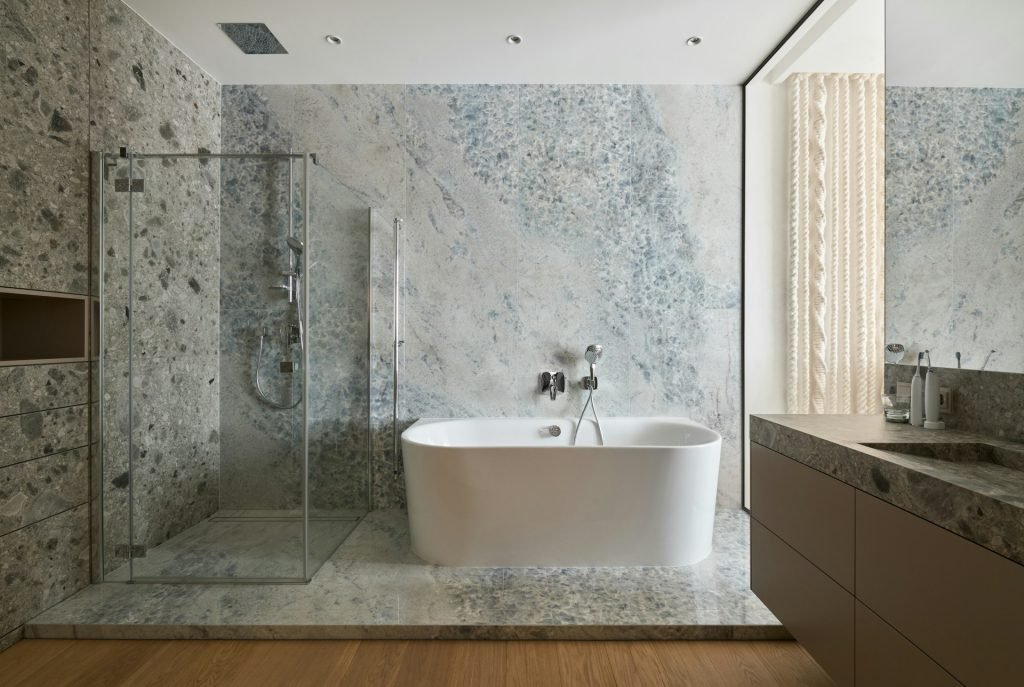
Bathroom layouts can be tricky when every centimetre counts. In smaller homes or narrow layouts, finding a tub that fits without making the room feel crowded is a real challenge. That’s where back to wall bathtubs come in. They sit flush against the wall, which gives you more floor space to work with and makes the whole area feel more open. While they might look simple from the outside, there’s a lot going on behind these clever designs. Whether you’re working with an apartment-sized bathroom or just want to avoid making the room feel boxed in, back to wall bathtubs offer a way to keep your space stylish and functional. Here’s how they can help you make the most of every square metre without giving up the comfort of a soak. Making the Most of Tight Bathroom Layouts Compact bathrooms are pretty common, especially in Australian units and terrace houses where space is shared across several rooms. In these tighter spaces, every design choice affects more than just looks. It also changes how you move through the room, how easy it is to clean, and how comfortable it actually feels. Here’s where back to wall bathtubs pull their weight: • Fitted tightly against one wall, they save room that’s normally lost behind a freestanding model • The straightforward shape helps keep traffic zones open and clear, which makes a small room feel less cluttered • Fixtures can be mounted neatly to the wall, keeping visuals and movement clean and simple Back to wall bathtubs give you the look of a full-size tub without crowding the floor. That makes them perfect for bathrooms that need to stay practical but still feel relaxing. Style Without the Bulk We don’t think you should have to choose between function and style. A smaller space doesn’t mean you’re limited to plain solutions. Back to wall bathtubs come in all sorts of modern finishes, soft curves, and clean edges that help a bathroom feel more polished without pushing out the walls. Some bathrooms lean minimal, sticking with calm colours and smooth surfaces. Others like bold shapes or contrast between matte and glossy. Back to wall tubs cater to both. The wall-facing design gives you room to play with tile choices or layered lighting without adding clutter. The shape of the tub itself also plays a role. Tubs with rounded edges can soften the room’s look (great if you’ve got a lot of hard lines around), while square finishes feel clean and crisp in more angular environments. Paired with clever storage, a back to wall tub helps your bathroom look deliberate, not crammed. Easy to Clean and Maintain Freestanding bathtubs look great in photos, but they often come with hard-to-reach gaps behind and underneath. Those little spaces gather dust, water, and soap scum quickly. Cleaning around them can be frustrating and sometimes even painful if you’re stretching or crouching too far. Back to wall bathtubs make that job easier: • Sealed edges mean fewer places for grime to hide • No awkward space between the wall and tub lip means no squeezing behind with a mop or cloth • Wall-mounted taps and shower fixtures (if included) are easier to access and wipe down If you’re not keen on spending your weekends scrubbing behind fittings, this tub style cuts out at least one headache from your list. It’s especially handy in households where multiple people are using the bathroom and mess can add up fast. Plumbing and Installation That Makes Sense One of the best things about back to wall bathtubs is that they come with a more manageable fitout. Older homes or smaller units can limit how far you can move your plumbing. If you want a tub but can’t restructure the whole floor plan, the back to wall layout can save you some stress. This tub style connects directly to plumbing behind the wall, instead of requiring full centre-floor drainage like freestanding tubs often need. That means: • Neater pipework that’s easier to check and repair • Quicker installation without moving major plumbing • Less floor disruption, which matters if you’re working with tiles you want to keep intact We offer a range of back to wall bathtubs with a solid build and high quality finishes that complement modern Australian homes. Many of our models are designed to coordinate with other key fittings, making it even easier to create a cohesive look while staying within the room’s size limits. Keeping plumbing tucked away doesn’t just look nice, it also protects the fittings from wear and makes any future repairs simpler. For homeowners handling upgrades during summer renovations, it means they can finish faster and get back to normal use without long delays. Space-Smart Results That Still Feel Luxe A well-chosen tub should do more than just fit the space. It should feel good to use too. Back to wall bathtubs still offer deep soaking, a solid structure, and visual presence in the room. When everything else is built around clever storage and open zones, the bath becomes a neat focal point that doesn’t overpower things. These tubs are a practical alternative for homes that want that upgraded feel without an oversized build. The designs have the kind of calm, sleek lines that help a room feel more thought out and less like it’s been shoehorned together. Matching other fixtures, such as tapware or toilets, can be simple thanks to the wide variety of brands we stock, so you have plenty of choice while staying space-smart. With some lighting along the wall or under the tub, plus tiles that work with the shape, you can still get the kind of peaceful atmosphere you’d expect from more luxurious spaces. The bonus is that you’re doing it without overbuilding or giving up everyday usability. More Room to Move, Without Giving Up Comfort Comfort and ease don’t need to be sacrificed just because a room is small. Back to wall bathtubs clear floor space, simplify cleaning, and work better
Why Back to Wall Toilets in Australia Fit Smaller Bathrooms
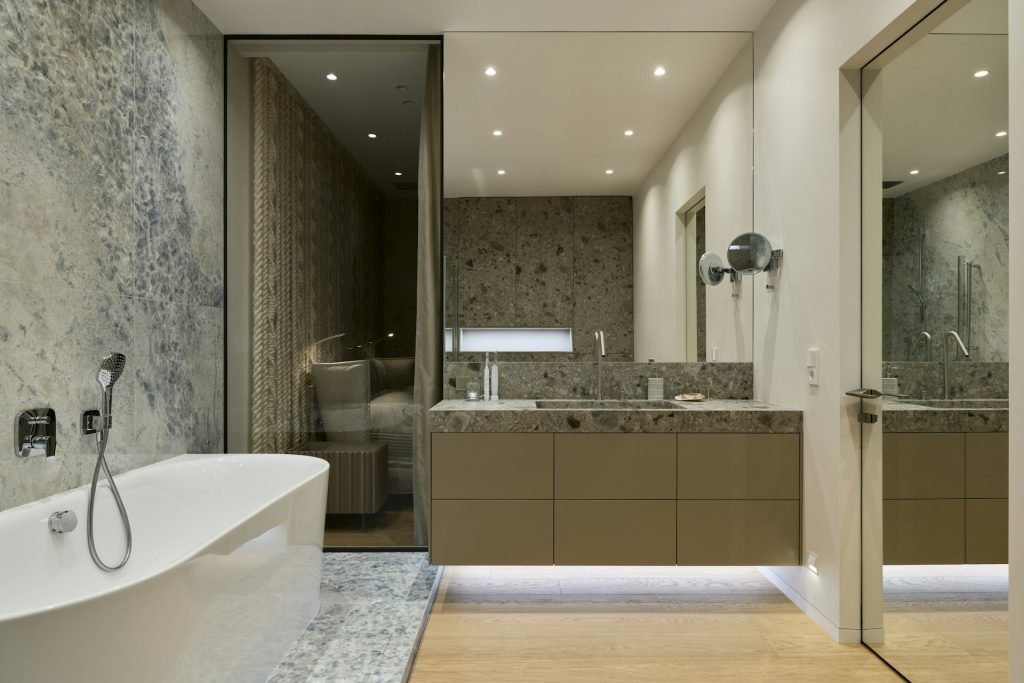
Many homes and units across Australia, especially in metro areas, are short on bathroom space. That’s where smart design comes in. One simple way to make the most of a compact layout is by rethinking the type of toilet you use. Back to wall toilets in Australia are becoming more common in smaller homes, for good reason. They’re sleek, space-saving, and practical in ways that quickly add up day to day. Down the page, we’ll take a closer look at how these toilets work and why they fit so well into tighter bathroom plans. Whether you’re renovating or planning ahead, it helps to understand the design choices that will save you trouble later. What Is a Back to Wall Toilet? Back to wall toilets sit up close against the bathroom wall. The pan (the part you see and sit on) stays visible, but the cistern is either hidden inside the wall or housed in a slim cabinet directly behind the pan. Either way, the bulk gets neatly tucked away. That’s a big change from standard or close coupled toilets, where the cistern often sticks out and eats into your usable space. Traditional layouts can make a small bathroom feel even smaller. Back to wall designs solve that by reducing how far the toilet juts into the room. • The pan is secured flush to the rear wall, leaving no open space behind • The cistern is concealed, either in-wall or behind a false panel, depending on the setup • The profile looks sleek and low, rather than bulky This design doesn’t just save space, it also gives the bathroom a more streamlined, modern feel. For many homeowners, the difference between a standard toilet and a back to wall toilet is immediately noticeable. And for many homeowners, that’s a big part of why they choose it. Why Space Matters in Australian Bathrooms Small bathroom layouts are common across Australia. From inner-city apartments to older brick homes or duplexes, bathrooms often need to compete with other rooms for floor area. That leaves little room for bulky fixtures. Trying to cram a full-size fixture into a tight room usually ends with awkward movements and limited storage. Once the layout feels off, easy tasks like cleaning or using the mirror comfortably get harder. • Narrow floorplans make every centimetre count • Standard toilets take up more space than you realise when measuring around them • Back to wall shapes fit better into limited layouts by hugging the wall At CARGO Bathroom & Kitchen, you can find a wide selection of back to wall toilet styles, including options with soft-close seats and easy-access pan designs that further optimise space and comfort. Back to wall toilets in Australia are a good match for units, townhouses, and compact suburban homes. They give back floor space without losing function. You’ll notice that when every bit of space is used well, it makes cleaning, moving around, and daily routines much easier. Easy Cleaning and Maintenance One thing we’ve heard from plenty of renovators is frustration with cleaning around and behind the toilet. The more gaps and exposed joins there are, the more places dust, grime, and splashes end up sitting. Freestanding pans or wide cistern backs can make that job slower and more awkward. Back to wall toilets simplify cleaning by getting rid of those tricky areas. • No gap behind the toilet for dust or water to collect • Fewer exposed joins mean faster wipe-downs • Streamlined surfaces are harder for mess to stick to Besides daily or weekly clean-ups, this type of toilet also helps with future maintenance. If something does go wrong, access panels can be added above the wall cavity or behind a hidden cabinet. That makes it easier to get to the cistern or pipes without removing tiles or creating big disruptions. Even for regular plumbing checks or changing fittings, not having to reach behind an awkward fixture saves plenty of time and hassle. Aesthetics That Match Modern Aussie Bathrooms A smaller bathroom doesn’t have to skip the style. Today’s back to wall toilets come in finishes and shapes that suit all sorts of interiors. If you have chosen warm bushland tones, coastal colours, or sharp black accents, there’s usually a pan and flush plate style that works with your look. Because the cistern is hidden, attention goes to the pan and the wall around it. That opens up more room for design decisions, like feature tiling or floating furniture. Since the overall profile is clean and smooth, nothing feels out of place. • Slimline toilet shapes support a minimal, clutter-free feel • Wall panels or flush buttons can match existing metals or tapware • Tiled surrounds can continue uninterrupted around the room Shoppers can take advantage of CARGO Bathroom & Kitchen’s broad range, which includes brands that focus on both function and style, helping pair toilets with matching bathroom accessories from the same product lines. Subtle changes like matching flush buttons or adding underlighting can also give the smallest bathroom a signature look. For those who like symmetry and calm tones, back to wall toilets can add the right shape without forcing other parts of the room to change. Small bathrooms not only feel bigger but look more premium with these visual touches. Plumbing Setup and Installation Considerations Installing a back to wall toilet is usually pretty straightforward during a renovation. Because these toilets connect right into the wall, the most important step is sorting plumbing access early during the build or update. Most Australian homes have floor-level waste outlets and wall-hung water inlets in the toilet area. This makes it easier to fit a concealed cistern without major plumbing moves. Planning ahead saves time and trouble later. • Check what kind of access space is behind the rear wall • Make sure the cavity is wide enough for a concealed cistern unit if planning an in-wall type • If not going with a fully in-wall cistern, a low-profile cabinet can house
Expert Guide to Premium Vanity Selection in Melbourne
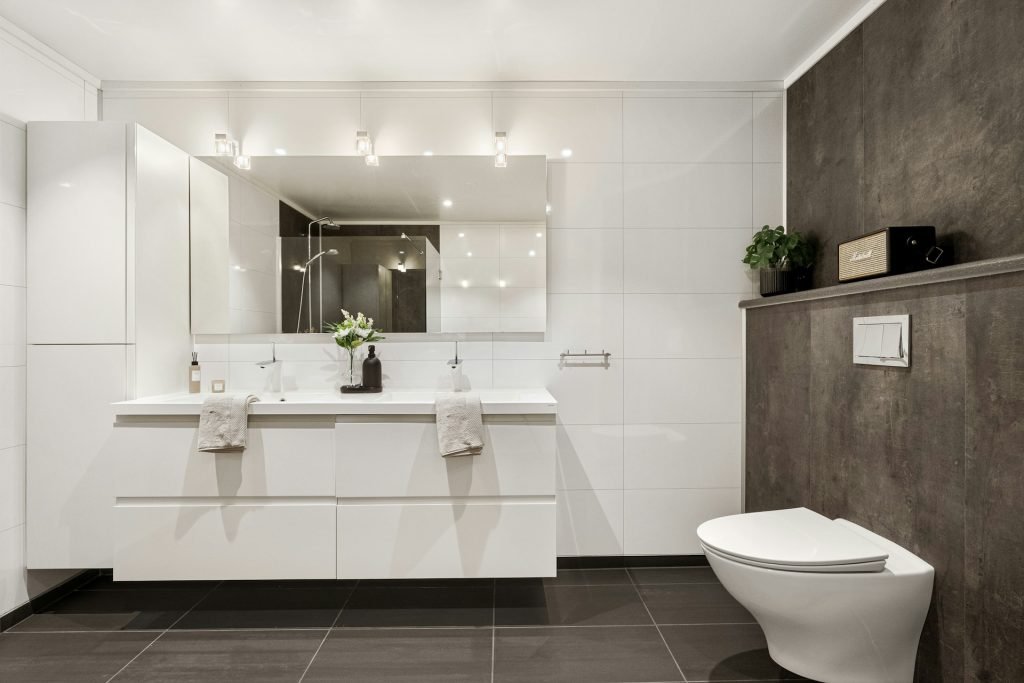
Upgrading your bathroom often starts with choosing the right vanity. It’s one of the main features that can instantly change the way your space feels and works. In Melbourne, where design taste mixes heritage charm with clean modern lines, getting the balance right matters. Whether you’re doing a full renovation or just giving your space a quick refresh, the vanity you pick should work well, look good, and last through daily use. A premium bathroom vanity does more than hold a basin. It shapes how your bathroom flows, how much storage you have, and even how easy it is to clean. Every home in Melbourne is different, from old workers’ cottages to sleek high-rise apartments. That’s why the best choice comes down to the details that suit your space and lifestyle, not just the looks or latest trends. Understanding Your Space and Needs Before falling in love with a vanity design, it’s worth taking a step back and looking at your space. Bathroom layouts can be tricky, especially in older homes or tighter apartments. A good fit will make your daily routine smoother, while a poor one can mean crammed corners, blocked pathways or wasted space. Start by measuring the area where your vanity will go. Write down the wall width, depth from the wall to any obstacles like a toilet or door, and distance to other fittings. Be sure to account for the swing of cupboard doors or drawers if you’re considering a freestanding option. Keeping walkways clear not only looks better but also makes it simpler to move around, especially in narrow bathrooms. Think about who uses the bathroom: – Is it shared by a couple? A double-basin model might come in handy. – Are kids using it? You might want less height so they can reach the basin. – Only one person? A compact vanity with smart storage will likely be enough. Also, be honest about how much storage you need. A small, stylish unit might look slick now, but it could turn into a clutter zone if it doesn’t offer enough storage for daily items. Things like hairdryers, electric shavers or extra hand towels all take up space. If you’re tight on room, you might pair the vanity with shelves or a mirrored cabinet above. Melbourne homes often face a mix of old plumbing and awkward layouts, especially in townhouses or period-style places. We’ve seen houses where previous vanities covered half the outlet or blocked access to tap valves. So it’s more than looks. Thinking ahead can save time and headaches during installation. Types of Vanity Units The kind of vanity you choose should suit both how much room you have and how you plan to use it. Here’s a useful breakdown of popular types in Melbourne homes: 1. Wall-hung vanities These are mounted off the floor, giving a floating effect. They’re great for smaller bathrooms, making the room feel more open and easy to clean underneath. Wall-hung designs often suit newer homes or modern renovations with solid walls and updated plumbing. Pros: – Sleek, modern look – Ideal for tight spaces – Lets you customise the height Things to watch for: – Can be harder to install if walls aren’t strong – Less storage space than bigger models 2. Freestanding vanities These rest directly on the floor and often come with legs or a solid base. They’re a common pick for their storage capacity and easy installation. In older Melbourne homes where walls may not support heavy units, freestanding styles work well. Pros: – Often more storage – Easier to move or change later – Works with a range of basin styles Things to note: – Can make rooms feel smaller – Might be harder to clean around the legs 3. Corner vanities Perfect for really small bathrooms or powder rooms, corner vanities tuck neatly into unused space. Think terrace houses or units where squeezing in extra features takes strategy. Pros: – Makes use of awkward room shapes – Saves floor space – Still offers some storage Things to note: – Limited in size and design variety – Harder to pair with certain mirror shapes Choosing the right vanity type isn’t just about the room you have. It’s also about what you want your space to do. A guest bathroom might not need much storage, while a main bathroom probably does. Getting this balance right means you don’t sacrifice function for style or end up with something that doesn’t suit your daily life. Material and Finish Options Once you’ve settled on the type of vanity that fits your layout and lifestyle, it’s time to think about materials. What your vanity is made of affects how it holds up over time, especially in a moisture-heavy space like a bathroom. Some choices look great but need more care, while others are built for function and durability. Here are the most common materials used in bathroom vanity units in Melbourne: – Timber or veneer: Adds warmth and texture. Timber vanities suit both heritage and modern spaces, but raw or real wood veneer can warp with too much moisture if not sealed properly. Good ventilation or a proper extractor fan helps protect the finish long-term. – Laminate: A practical, budget-friendly option. Laminate is water resistant and comes in many colours and styles, including ones that mimic natural textures. It’s easy to clean but can chip at the corners from hard knocks. – Stone or engineered stone: Often used for benchtops and sometimes full units. These materials offer sleek design and strength. While natural stone needs some upkeep, engineered versions give a similar look with easier care. – Polyurethane: This finish gives a smooth, seamless look and holds up well to daily wear. It’s available in matte or high-gloss options. Glossy surfaces can brighten small rooms, while matte has a softer modern feel. Choosing the right finish shapes how your space looks and feels. Glossy white brightens up a darker room but shows water spots more easily. Dark or
Professional Solutions for Compact 1000mm Bath Installation
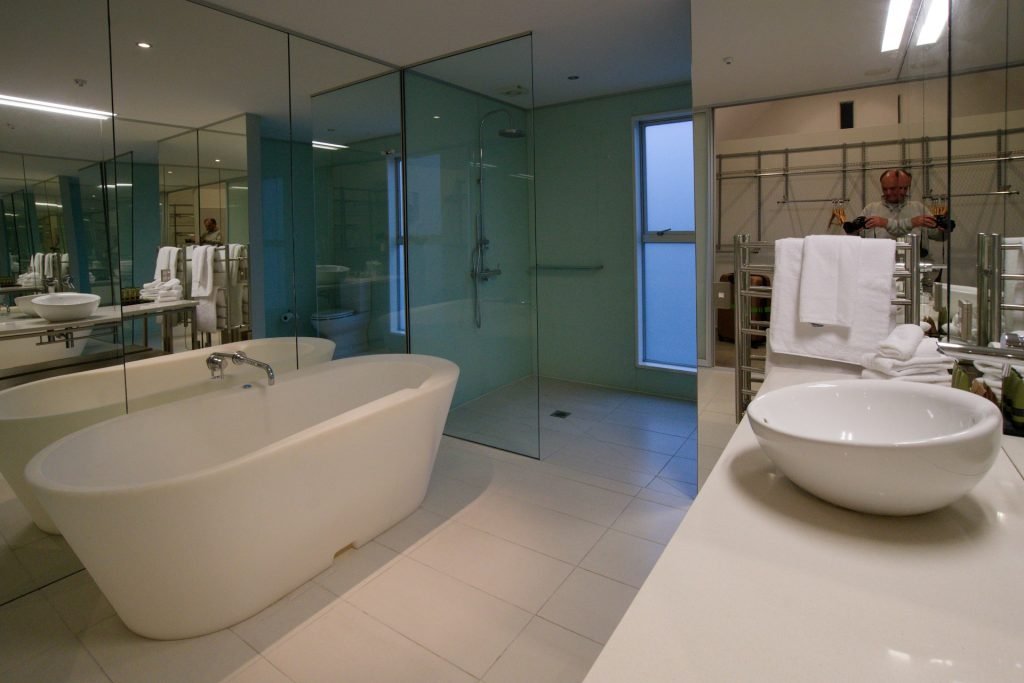
Trying to fit a bathtub into a small bathroom can feel like solving a tricky puzzle. Every centimetre counts, and compromising on comfort or style isn’t ideal. That’s where a compact 1000mm bath can be a clever solution. It’s spacious enough to relax after a long day, without overwhelming a tight floorplan. These baths are designed for bathrooms where maximising space is just as important as function. Small bathtubs might be short in length, but they’re big on practicality. They’ve become a favourite choice in smaller homes, units, and even guest ensuites. The shorter length makes it easier to slot one into an awkward spot, while leaving room for extra storage or a larger vanity. When done right, a compact bath doesn’t feel compromised. It feels considered, and it works. Choosing The Right Compact 1000mm Bathtub Just because you’re going small doesn’t mean you have to give up on choice. Compact 1000mm baths come in a few different styles, so it helps to know what each one offers. Picking the right one for your layout and how you’ll use it day-to-day will make a big difference. Here are three styles worth looking at: – Freestanding bath: Freestanding tubs are a popular pick for their modern look. Many are now available at smaller sizes, including 1000mm. They’re great if you want a striking statement piece and have enough floor access around the bath. Keep in mind that they need space around each edge, so they work better in bathrooms with a bit of clearance. – Drop-in bath: These are fitted inside a built-in frame, usually surrounded by tiles or panels. They’re more flexible when designing around fixed features and can be easier to clean depending on the finish. A drop-in style suits bathrooms where other fixtures are close by, like a wall-hung vanity or storage unit. – Alcove or inset bath: This one sits between three walls, which helps make the most of limited space. Alcove-style baths are a smart option when every corner matters, and they usually double as a shower base too. It’s a solid choice for family bathrooms or places where multifunction is key. Think about where your walls and plumbing are, and how much space is available for movement. For example, in a narrow bathroom it often makes sense to choose an alcove bath to keep the layout clean and practical. A freestanding bath might feel squashed in that same setup. Taking a bit of time to visualise the layout—where you’ll dry off, store towels, or clean—helps to narrow things down. The right bathtub won’t just fit physically, it’ll make the whole room feel balanced. Space Planning And Preparation Before installation kicks off, it’s important to plan thoroughly. A bath that technically “fits” might still cause problems if not measured with care. You’ll need to look beyond the size of the bath itself and consider everything that goes on around it. Here’s a useful checklist to help with preparation: 1. Measure your bathroom accurately Use a measuring tape to get the width, depth, and height of the available space. Take note of nearby furniture, doors and how they swing open, and whether there’s enough room to move around freely. A bath squeezed beside a swinging door or drawer can turn into a daily nuisance. 2. Evaluate plumbing points Some baths need their plumbing in specific places. Whether your taps are mounted on the wall, bath edge, or floor can change the layout. Make sure those points match the bath’s design. Moving plumbing later can be costly and messy. 3. Check floor slope and water drainage Bathrooms should have a gentle slope so water flows into the drain properly. This matters particularly for built-in styles. A professional knows how to level the base to avoid pooling or poor drainage. 4. Leave access for future maintenance Anything with plumbing will need access one day. If your bath gets boxed in completely, future repairs could involve ripping out panels or tiles. Plan for clean access to any hidden parts before sealing it in. 5. Think about ease of cleaning Tight corners and narrow gaps tend to catch dust and grime. If your bathtub is framed tightly or up against odd angles, it can make cleaning tricky. Keeping things simple and accessible saves frustration later on. Smart prep leads to an easier, cleaner, and longer-lasting result. Even small bathrooms can feel open and functional when you take the time to think through the layout. Installation Considerations Once you’ve selected the right 1000mm bath and laid out a plan, proper installation is the next big hurdle. Compact baths might look like an easy job, but small spaces often come with sneaky obstacles. That’s where professional installers really shine. They’ve handled plenty of tricky spots and know how to make a tight space function without compromise. Here’s what the professional install process usually covers: – Prepping and levelling the floor base – Securing the frame or underlying cradle to keep the bath stable and flush – Connecting drainage and overflow outlets accurately – Applying watertight seals using high-quality silicone and fittings – Installing taps and mixers so they’re easy to reach and neat One of the biggest mistakes is rushing the sealing or lining up the plumbing poorly. These shortcuts can lead to slow leaks or damage over time. Older bathrooms can sometimes reveal uneven flooring or cracked tiles during installation, which may need fixing before the bath is fitted. A good installer takes time to check the structure around the bath. They’ll examine the wall bracing, make sure nothing is shifting under the surface, and even plan for how steam and moisture will be handled in the room. For freestanding and drop-in models, making sure there are no loose gaps or missing insulation matters a lot too. Too many people go for the quickest fix, cutting plasterboard or tiles too tight around the bath or skimping on quality adhesives. These shortcuts usually turn into regrets. A solid, careful fit means your
Professional Solutions for Melbourne Tap Performance Issues
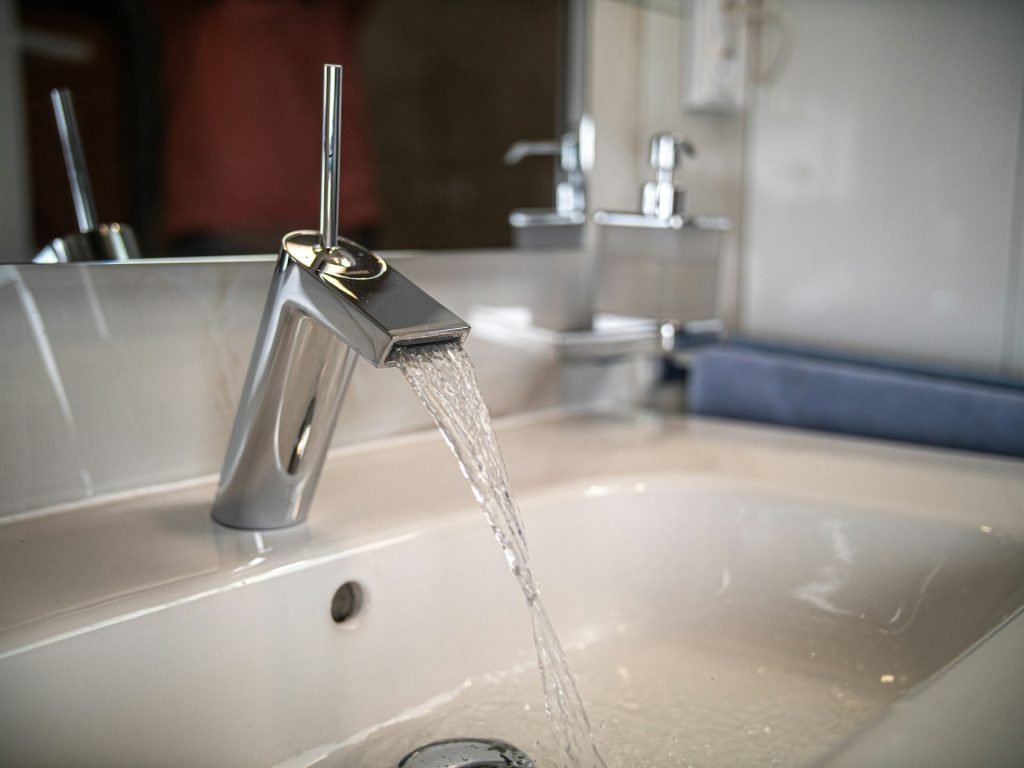
Tapware problems are more common than most people think, especially in areas with older plumbing or inconsistent water pressure. If your taps are leaking, squeaking, or refusing to turn properly, you’re definitely not alone. Many homes and commercial spaces around Melbourne deal with these issues year-round. And let’s face it, few things are more annoying than a dripping tap when you’re trying to sleep or that stiff handle that makes every wash a mini workout. While it might seem like a small problem, unresolved tapware issues can lead to much bigger ones down the line. Melbourne homes can face a unique mix of challenges due to the city’s water makeup and changing climate conditions. Add to that years of wear and tear, and you’ve got a common recipe for tap troubles. Instead of ignoring it or trying to handle it without proper tools, it’s smart to look towards professional help. People often underestimate how much goes into getting a tap to work as it should. From pressure balancing to dealing with sediment build-up, a lot more than the surface needs attention. Common Tapware Issues in Melbourne Melbourne has its beautiful charm, but when it comes to tapware, the city’s water quality and usage patterns play a big part in everyday plumbing problems. Over time, taps start to underperform, either by dripping, stiffening up, or producing erratic water pressure. If you’ve been noticing water spitting out or handles that stick and groan when turning, it’s time to act. Here’s a breakdown of some common issues we see in Melbourne homes: – Leaking taps: One of the most reported complaints. Constant dripping usually points to worn washers or seals, and if left unchecked, it can increase water bills or damage surfaces. – Low water pressure: This could mean mineral build-up inside the tapware or problems with the home’s water flow system. It’s especially frustrating in kitchens and can slow down even simple tasks like rinsing dishes. – Stiff handles or noisy operation: Tap handles that feel too difficult to turn or screech as they move are signs that the internal components are either worn out or poorly lubricated. – Rust or mineral build-up: Melbourne’s water isn’t too harsh, but over time, residue can collect inside the tap fittings, especially with outdated models. This can affect both water taste and overall function. An example of this? One household in Pascoe Vale experienced sudden water spurts from their bathroom taps. It turned out to be a small blockage caused by mineral residue caught in the tap spout. A simple fix, but not one they could’ve managed properly on their own. These problems might start small but can get worse if ignored. Often, they signal deeper plumbing issues that need a professional’s eye. Melbourne’s varying pipe materials across different suburbs also means repairs aren’t always straightforward. What works for one area might not be enough for another. Benefits of Professional Tapware Repair Services Getting a licensed professional to check and fix your tapware might feel like an extra expense, but there’s a lot more value in it than people assume. Good tap function isn’t just about convenience—it’s about making sure your plumbing system is running smoothly and safely. Here’s why hiring someone who knows what they’re doing makes a big difference: – Accurate diagnosis: Professionals can quickly get to the root of the problem. Whether it’s an internal valve issue or a pressure-related fault, they won’t waste time guessing. – Right tools for the job: DIY fixes often stall because the proper fittings or tools aren’t on hand. Licensed plumbers come with everything required to get it sorted without damage or delays. – Long-lasting results: Rather than short-term patches, professionals offer repairs designed to hold up—whether that means replacing damaged parts or upgrading out-of-date tapware. – Safe handling of plumbing components: There’s risk involved when dealing with pipes and fittings. One wrong move can turn into a bigger issue. Plumbers know how to carry out repairs without creating further damage. In short, calling in the pros means peace of mind. You’re not just restoring water flow—you’re preventing complications that could affect other parts of your plumbing down the track. And these local experts also understand the quirks of Melbourne’s tapware setups, making their help even more meaningful. Steps Professionals Take to Repair Tapware Once a trusted plumber arrives onsite, the repair process isn’t just a quick twist of a spanner. There’s a clear method behind it that targets both surface-level symptoms and root causes. Most professional repairs follow a careful step-through approach that ensures your tapware works properly again and doesn’t go back to its faulty ways soon after. Here’s how the process usually unfolds: 1. Inspection and diagnosis – Plumbing experts start by inspecting not just the faulty tapware but the surrounding fixtures. They’re looking for pressure inconsistencies, corrosion, or any structural concerns in the setup. 2. Water isolation – Before any work starts, the water supply to the affected fitting is shut off to prevent flooding or spillage. 3. Disassembly of the tap – The tap is taken apart methodically, with attention to worn washers, cracked cartridges, hard water build-up, or degraded o-rings. 4. Cleaning and clearing – Built-up gunk is removed from inside, including blockages due to rust or deposits. Tap threads, sockets, and seats are cleaned or filed smooth if needed. 5. Component replacement – Only high-grade parts replace the damaged ones. If the issue relates to outdated tapware or recurring damage, full replacement may be suggested rather than a temporary fix. 6. Re-assembly and testing – Once reassembled, the tap is tested for leaks, ease of movement, and pressure output. Any remaining leaks or issues are tackled immediately. Every repair isn’t the same, especially across homes built decades apart across Melbourne. So, professionals tailor their strategy to what each setup needs. That’s why they’re quick to spot unusual problems other people might miss. Combine that with the right spare parts and some solid experience, and the chances of things
Expert Guide to Quality Bath Selection in Melbourne
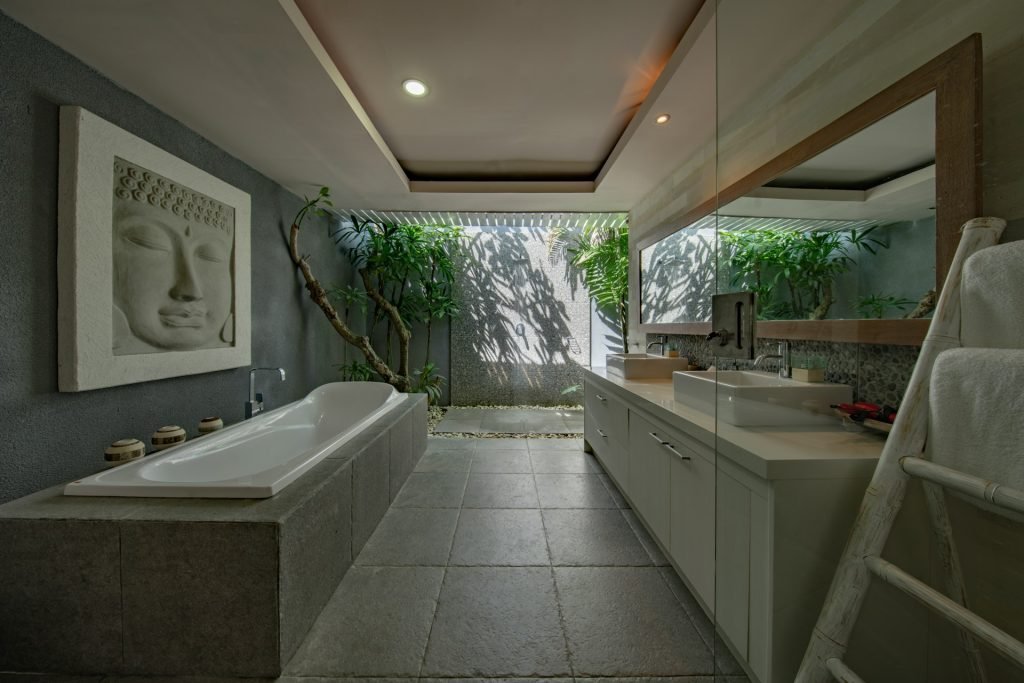
A quality bathtub does more than just clean you up. It’s a place to wind down, relax, and forget about everything else for a while. That’s why picking the right one matters. It might seem like a simple decision, but when you’re actually standing there looking at all the shapes, finishes and options, it can feel like a lot. And since bathtubs aren’t something people replace often, it’s worth taking your time and choosing properly. Whether your bathroom is getting a full makeover or you’re just upgrading an old tub, there are a few things to keep in mind from the start. The shape, size, how it gets installed, even what it’s made from all affect not just how it looks, but also how it feels to use every day. Getting familiar with the types of bathtubs and what makes each one different can make the shopping process a whole lot easier. Understanding Different Types Of Bathtubs There’s no one-size-fits-all when it comes to bathtubs. Some people want the look of a day spa. Others are just after something reliable and easy to clean. Picking a type that suits your space and lifestyle is the first step. Here’s a closer look at the main options: 1. Freestanding Bathtubs These sit apart from the wall and often have a sculptural feel to them. They shine in large bathrooms because they take up a bit more room. A freestanding design adds a real wow factor, but you’ll need enough floor space for it to work without feeling cramped. 2. Alcove Bathtubs This type is tucked into three walls, usually with a shower over the top. It’s a solid choice for tight or family bathrooms, especially when space needs to do double duty. They’re low-fuss, easy to clean around and make the most of smaller layouts. 3. Drop-In Bathtubs These are installed inside a built frame or surround. That means you can finish them with tiles or stone to match the rest of the bathroom. They offer flexibility with shape and size, and the outer edge helps stop water from splashing out as easily. 4. Corner Bathtubs Shaped to fit snugly into a corner, these are ideal when you want something bigger for soaking but don’t have room for a freestanding model. They’re often deeper than standard tubs and work well in ensuite settings where layout is a bit tricky. Think about how much space you actually have, how you plan to use the tub, and who’ll be using it. Families with young kids might lean toward something practical and simple to clean, while someone renovating a master bathroom could go for comfort and looks. Materials And Their Benefits After choosing a style, the next thing to consider is what the tub is made of. This affects its weight, durability, comfort and how easy it is to look after. They might all look shiny and new on the outside, but there are real differences in what’s underneath. Some common bathtub materials include: – Acrylic – A popular all-rounder, acrylic is lightweight and comes in loads of shapes. It retains heat fairly well and usually doesn’t chip or scratch easily. – Cast Iron – Coated in enamel, this material is heavy and solid. Once filled, it holds warmth for longer, making it perfect for long soaks. Just make sure your bathroom floor can support the extra weight. – Porcelain – Generally made from enamelled steel, it offers a clean, smooth finish. While it looks classic and holds up nicely, it’s a bit more prone to chipping if something heavy is dropped on it. – Stone Resin – Strong and stylish, this is a blend of crushed stone and resin. It looks high-end and feels solid underfoot. It also insulates well for those who enjoy hot baths that don’t go cold too fast. Each type has trade-offs. Acrylic is easier on the budget, while stone resin has that premium feel. If you’re not sure what works best, think about what kind of cleaning you’re happy to do, how often the bath gets used and whether weight could be a problem depending on where the bathroom sits in your home. One example is that installing a cast iron tub upstairs in an older house might need a structural check before you commit. Choosing based on both looks and long-term function will save you time and hassle down the track. Keep these materials in mind once you’ve narrowed down the style that suits your space and lifestyle best. Features To Look For When Choosing A Bathtub Once you’ve sorted out the style and material, it’s worth thinking about the features that can make your bath more comfortable, safe and suited to your needs. Some might sound like nice extras, but they can have a big effect on how enjoyable or frustrating your bath experience is. Here are a few features to keep an eye out for: – Deep Soak Drain If you’re after a more relaxing soak, look for a tub with a deep soak design. These often include an integrated drain that lets you sit lower while still covering more of your body. The added depth can completely change how the bath feels, especially during those colder months. – Jets and Bubbles There’s a difference between whirlpool and air bath styles. Whirlpool baths use jets with water pressure, providing a massage-like sensation that’s great for easing tired muscles. Air baths use small streams of air instead, giving a lighter, bubbly feel. Each offers its own type of comfort, so it’s worth thinking about what suits your routine best. – Non-Slip Surfaces Slips happen easily in smooth, wet environments. A built-in textured surface on the base can reduce the risk of sliding over while getting in or out. It’s especially helpful for kids and older adults where balance might be an issue. – Built-in Grab Bars Not every bathtub includes them as standard, but they’re useful for those needing extra support. Whether someone’s recovering from an