Expert Tips for Freestanding Units in Melbourne Bathrooms
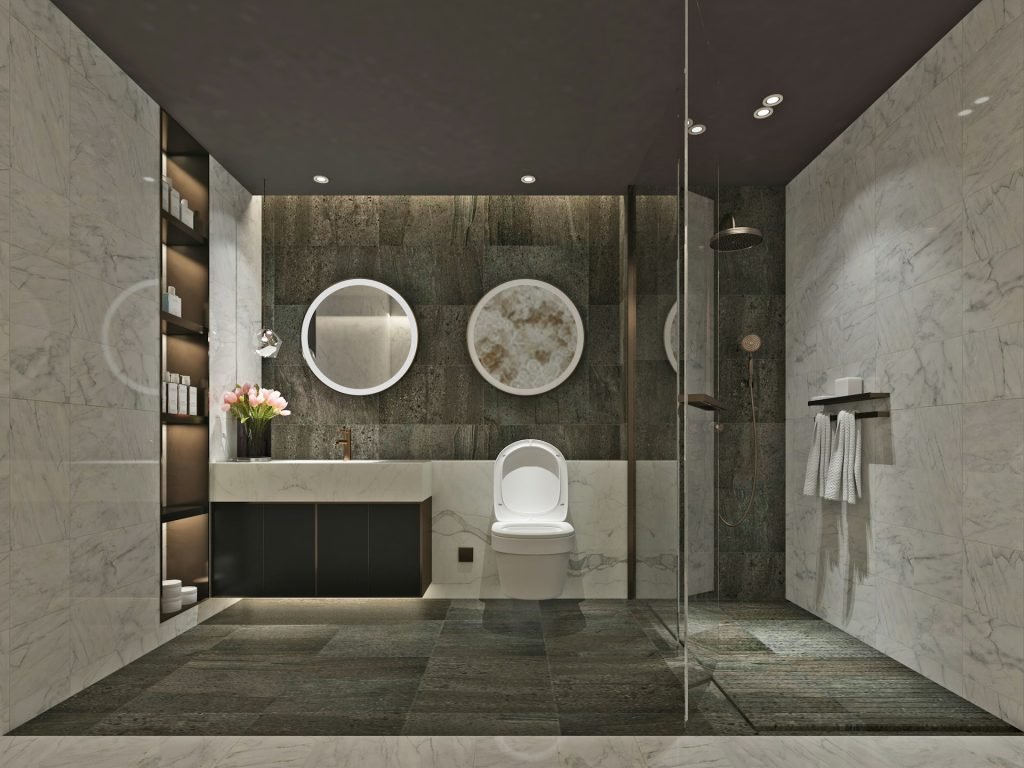
Freestanding bathroom vanities have become one of those design choices that never seem to go out of style. With clean lines and open space underneath, they give bathrooms a lighter, less boxed-in look. Whether a bathroom is built for pure function or focused on comfort, a freestanding vanity can add warmth and character without swallowing up valuable space. Unlike built-in cabinetry, these units sit apart from the wall and can often look more like stylish furniture, especially when matched with stone tops or textured finishes. Across Melbourne, both renovators and new home builders are leaning towards this choice. It fits the broader style seen in many Melbourne homes—practical, minimal, and quietly elegant. A freestanding vanity works well with that because it adds balance. It provides a mix of storage and freedom in design, helping both large and small bathrooms feel more open and thoughtful. Whether you’re fitting out a terrace house in Fitzroy or upgrading the ensuite of a home in Berwick, it helps to know what to look for. Choosing The Right Freestanding Vanity Selecting the right vanity is more than just picking something that looks nice. It needs to serve your daily routine and still match the space it’s going into. Even though it isn’t fixed to the wall like traditional vanities, it still needs to connect properly to plumbing and suit the measurements of the room. Here are a few important factors to keep in mind: – Size: Start by measuring your space accurately. Make sure there’s enough clearance around the vanity for cabinet doors and drawers to open with ease. Larger spaces can take a bigger vanity with double basins, while smaller rooms might be better off with something slim and compact. – Style and shape: Consider whether clean, straight lines suit the theme of your home or if something with softer curves would be better. Square and angular shapes tend to give a more modern feel, while rounded corners bring softness and often work well with classic or traditional décor. – Material choice: Freestanding vanities come in everything from hardwood to laminate, stone, and even concrete. Climate can play a part here too. In places with plenty of humidity, water-resistant finishes and materials will last longer and handle moisture better. – Storage: Take a look at what you really need to store daily. That could be large drawers for towels or smaller compartments for toiletries. Design should never compromise function. – Colour and tones: Match your vanity to the overall style of the bathroom. Keep it consistent with the floor and wall colours, while adding a bit of contrast with tapware or mirrors to keep the space feeling complete. A renovation in Melbourne’s north saw one homeowner replace a large old cabinet with a timber-look freestanding vanity. It opened up the floor space and made the narrow room feel twice as big. That kind of transformation shows that shape and scale can be just as powerful as style. Whether someone wants a standout piece or something that blends in smoothly, start with the everyday routine, and then pick a vanity that supports it. Installation Tips For Freestanding Vanities Installing a freestanding vanity may seem simpler than a wall-mounted unit, but there are still important steps to follow if you want it done right. Poor alignment or incorrect pipe placement can lead to water damage, functionality issues, or a finish that doesn’t sit quite right. Follow this basic process for a solid setup: 1. Check plumbing alignment: Before the vanity even leaves the packaging, confirm that your water inlet and waste outlet will line up with the vanity design. Many freestanding pieces have fixed internal frames, so you won’t be able to adjust once they’re in place. 2. Level the base: Uneven floors are common, especially in older Melbourne homes. Use shims or feet adjustments to ensure the vanity is perfectly level. This keeps pressure off the structure and lets drawers open smoothly. 3. Secure fittings: Plumbing connections should be tight and precise. Loose or poorly sealed joints cause leaks and can damage nearby flooring. Always get a qualified plumber to handle this part. 4. Seal against moisture: If the vanity touches a wall, sealing the edges with silicone stops splashes and spills from getting behind it. Moisture trapped in those spaces is hard to detect and can lead to mould down the track. 5. Fit the top and taps last: Add the benchtop and any basin holes or tapware once the base is secure. It helps avoid breakages and ensures everything lines up tightly before you glue or seal anything permanently. A slight tilt or wobble can make even the most beautiful vanity feel out of place. That’s why those final steps are just as important as picking the unit itself. Always work with experienced trades to keep it problem-free. How To Keep Your Vanity In Good Shape Taking care of a freestanding vanity is easy when you stick to a regular routine. Melbourne’s bathrooms often see high humidity or big temperature swings through the year, so it’s worth staying on top of the basics. Here’s how to keep things looking good: – Wipe the vanity weekly using a soft cloth and mild cleaning solution. Avoid chemicals that are too strong, as they can eat into finishes. – For timber or timber-look finishes, opt for a pH-neutral spray that won’t damage the outer layer or coating. – Don’t let excess water sit around the base. Especially where timber legs or skirting touches the floor, moisture can slowly weaken the material. – Reseal stone tops according to the material type. Some need sealing every few months, others less often. Check with your installer for advice. – Keep handles and hinges tight. When these loosen, they put more strain on the sections they’re attached to and could cause greater wear over time. – Check under the unit every so often for slow leaks or dripping connections. An early fix can stop major repairs later on. One
When Your Matte White Toilet Needs Professional Cleaning
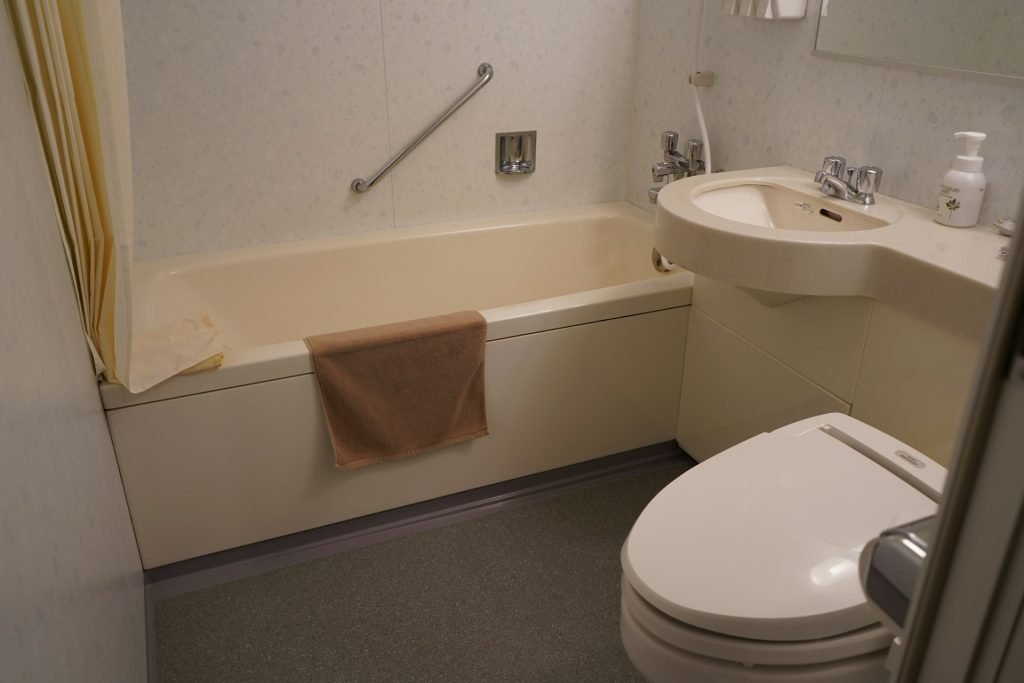
Matte white toilets look great in any bathroom setup. Their smooth and clean finish adds a modern touch without being too flashy. But that same matte surface can be a bit tricky when it comes to keeping it clean. Unlike glossy finishes, matte toilets tend to show marks more easily. Smudges, water spots, and unusual stains really stand out, which can make the toilet look dirtier than it actually is. Giving your matte white toilet regular care goes a long way, but sometimes even regular wiping and scrubbing just doesn’t cut it. Over time, build-up and hidden grime take hold and start to dull the clean, soft finish you started with. That’s where expert cleaning really makes a difference. Professional care targets the areas standard cleaning methods miss and helps protect that smooth matte surface for longer. Common Issues with Matte White Toilets Matte finishes look clean and soft, but they can be harder to keep that way over time. Since matte surfaces don’t reflect light as much as glossy ones, they don’t hide smudges or stains easily. In fact, anything that’s off like hard water spots, mineral lines, or leftover limescale tends to stand out more. Here are the kinds of issues that often show up on matte white toilets: – Hard water stains: These can leave chalky marks that don’t disappear with basic wipe-downs. – Smudge marks and discolouration: Caused by oils from skin or cleaning with the wrong cloths. – Mineral build-up: Usually found under the rim or around the base, especially in areas with older plumbing. – Uneven patchiness: Sometimes parts of the toilet lose their even tone due to residue or improper product use. One common mistake is using aggressive scrubbers or bleach-based cleaners that aren’t made for matte surfaces. While trying to clean, you might actually rough up the smoothness and cause the finish to wear unevenly. That doesn’t just affect how it looks but can make dirt stick more easily afterward. Since matte toilets are usually chosen for their stylish finish, it’s worth paying attention to what’s used on them. Not all cleaning sprays are equal, and even a well-meaning scrubbing session can do more harm than good if the surface isn’t treated with care. That’s why professional cleaners often use specific tools and cleaners made to suit matte textures, avoiding all the usual friction and residue problems. Signs Your Matte White Toilet Needs Professional Cleaning Even with the best intentions, there comes a point where basic upkeep just isn’t enough. When regular wipes start missing the mark and your toilet no longer looks crisp, it’s probably time to call in expert help. Recognising the early signs can stop things from getting worse and will help make sure the surface doesn’t suffer long-term damage. Here are a few signs that it might be time to bring in a professional: 1. Stains that don’t move – When marks hang around after repeated cleaning, you’re likely dealing with mineral build-up or hard water stains that need stronger tools to remove safely. 2. Rough patches – A matte surface should feel smooth. If you run your hand over it and feel tiny rough spots or see uneven areas, there’s probably some hidden residue underneath. 3. Fading or streaky finishes – If your toilet used to be a solid white and now looks patchy or streaky in parts, it might have collected soap scum or hard water deposits that have dulled the surface. 4. Unpleasant odours – Smells coming from the toilet even after cleaning can point to grime build-up in spots you can’t reach, like in the joints or behind the base. 5. Dull appearance despite cleaning – When the toilet seems clean but still looks off somehow, the soft finish might be clogged up with layers of invisible grime, which only a professional clean can break down properly. It’s easy to ignore some of these signs, especially if the toilet still works fine. But letting the surface decay too far means it’ll never look quite right again, even after a deep clean. It’s easier to spot the early signs and act before damage sets in. Professional cleaning can help bring back that clean, soft look while saving the surface from long-term dullness. Benefits of Professional Cleaning Services Hiring a professional to clean your matte white toilet might seem like overkill at first, but once you’ve seen what they can do, it starts to make sense. It goes beyond just scrubbing out surface stains. The tools and cleaning products used by professionals are made for more delicate surfaces like matte finishes, where standard bleach sprays or rough pads could do more harm than good. What sets a professional clean apart is how it tackles both the visible and hidden spots. Thick residue in corners, sticky grime under the rim, faint water lines at the back – these areas often get missed during regular cleaning. Professionals have tools that reach into those spots and lift out build-up without damaging the surface. This helps avoid long-term discolouration that can really affect the way the toilet looks. Here’s what professional cleaning usually offers: – Non-abrasive tools fit for matte surfaces – Products that lift dirt without wearing down the finish – Deep cleaning of tricky areas under and behind the toilet – Protection treatments to help cut down future build-up – A more uniform, polished result with no patchiness It can also save you time and energy, especially if your bathroom gets a lot of use. One example we often see is families doing a general clean and thinking they’ve done a good job, but over time the toilet still loses its brightness. When professionally cleaned, people often realise just how much surface grime was left behind. Keep in mind that once a matte surface gets damaged or stained too deeply, reversing that isn’t always possible. A professional clean increases the chances of keeping things looking fresh and helps extend the life of your toilet without needing early
Professional Guide to Basin Selection in Melbourne
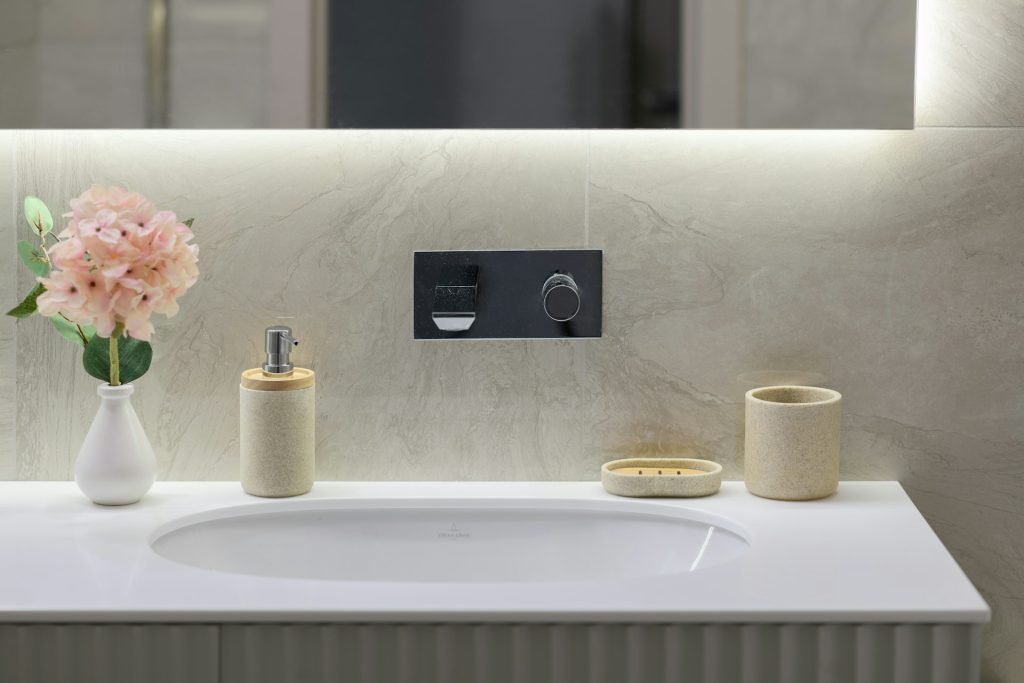
Picking the right basin plays a much bigger role in your bathroom than most people realise. It’s not just about what looks good, but also about how well it meets your daily needs. A basin gets used more often than almost any other item in the space, so it’s got to work well and last. On top of that, it should suit the overall feel of your bathroom and fit comfortably within the available space. If you’re looking for bathroom basins in Melbourne, you’re in luck. There’s a wide mix of styles, shapes, and sizes available to match older homes, modern builds and everything in between. Whether your bathroom is big or small, you’ll find no shortage of choices. That can be a good thing, but it can also get a bit overwhelming. The good news is once you understand the main types and what to look for, it all starts to make more sense. Types of Bathroom Basins Not all basins work the same way or suit every kind of bathroom. The style you choose affects how the space looks, feels and functions. Here are some of the most common types of bathroom basins you’ll find across showrooms in Melbourne: 1. Undermount Basins – Fitted underneath the counter for a clean and seamless look – Great match for stone or solid-surface countertops – No exposed rim, so it’s easier to wipe water into the sink – May be tricky to access for repairs or replacement 2. Countertop Basins – Also called vessel basins, these sit fully above the counter – A standout choice for adding visual interest – Available in round, square, oval and more – Takes up more height and bench depth, which can limit space 3. Wall-Mounted Basins – Best for smaller or narrow bathrooms – No vanity needed underneath, saving floor space – Easy to clean beneath, but usually lacks storage space – Must be securely attached to the wall, which needs professional help 4. Semi-Recessed Basins – Designed to sit partly on and partly over the bench – Ideal if you want a decent-sized bowl but your bench is shallow – Keeps some counter space while offering depth and usability 5. Inset Basins – Set partly into the countertop with the rim resting on top – A practical balance between full vessel and undermount – Compatible with almost any bench material Each of these options can suit a different lifestyle. For instance, a family bathroom may benefit from an inset or semi-recessed basin that kids can comfortably reach. A guest powder room might feature a bold countertop design for extra flair. Factors to Consider When Selecting a Basin Looks matter, but how a basin fits into your everyday routine is what really makes or breaks your choice. Here’s what to think about before you make your decision. – Size and Space – Measure your current countertop or vanity properly – Be aware of how much room you need to move around and use the space – Don’t overlook splashback height or how close the tap is to the edge – Style and Design – Decide if you want a feature or something that blends in – Square and rectangular basins feel more structured – Round ones add softness and work well with curved fixtures – Choose colours that either match or contrast with your other fittings – Material – Ceramic: The most common option, timeless and simple to clean – Glass: Adds elegance but shows water spots easily – Stone: Durable and generally heavier, good for high-end looks – Resin or Solid Surface: Available in more personalised designs – Concrete: Raw and bold, but may need sealing and special care It’s worth thinking through the way you use your bathroom. A basin that looks great but sprays water over everything during a fast-paced morning routine isn’t going to be a win. The same goes for anything you have to constantly clean or that gets in the way of opening drawers. Installation and Maintenance Tips Buying the right basin is just the start. Getting it installed safely and maintained properly is just as important in the long run. Do yourself a favour and skip the DIY. Basin installation needs precision, the right supports and proper sealing to avoid problems like leaks or cracks. Wall-mounted and undermount types, in particular, are best handled by professionals because they rely heavily on structure for support and access to plumbing can be tricky. Here are a few key tips to keep things running smoothly after install: – Keep the basin clean with a soft cloth and non-abrasive cleaner – Avoid harsh chemicals, especially on stone, matte or glass finishes – Wipe down daily if possible to reduce soap scum buildup – Check regularly for leaks around the edges or loose fittings – Reseal concrete or natural stone basins every year or so – Don’t rest heavy items on thin or unsupported edges It doesn’t take much to keep a quality basin looking good over time. Just a bit of regular attention and the right care products will help protect your investment. Why Choose CARGO Bathroom & Kitchen For Basin Selection At CARGO Bathroom & Kitchen, we understand that picking the right basin isn’t just about ticking a box. You’re talking about a key part of your daily space – something you use without thinking, but that makes a big difference when done well. We’ve got a massive range of bathroom basins in Melbourne to choose from. Whether your priority is slimline design, bold colours or built-to-last finishes, you’ll find something that works both visually and practically. From elegant countertop options to tough and tidy undermounts, there’s plenty to explore. Even better, our team actually takes the time to walk you through your options. Having someone who knows how a wall-mounted basin behaves in a compact space versus a family bathroom set-up can change your whole approach. It’s not just about the product. It’s about finding a solution that suits
Professional Solutions for Small Tub Movement Issues
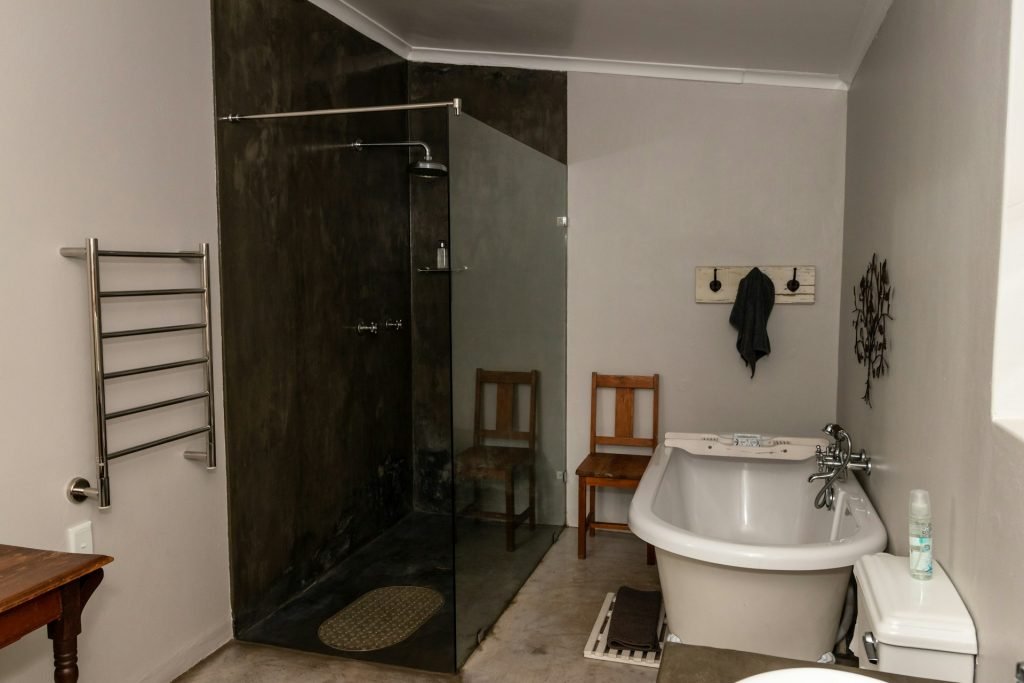
When a small freestanding bathtub shifts even slightly out of place, it can turn a relaxing soak into a source of annoyance. These tubs are a popular pick for compact bathrooms because of their slim footprint and stylish presence. But if they aren’t secured properly, they can rock, slide or tilt, and that’s the kind of trouble you want to avoid. Movement might seem minor at first, but left unchecked, it can damage flooring, mess with plumbing, or make the whole space feel unfinished. That’s where professional insight matters. While it might be tempting to try to fix it yourself, the real problem often runs deeper than it looks. Small tubs should sit solidly and evenly from day one, but a bunch of factors like how level the floor is or how the tub was installed can affect that stability. Professional solutions don’t just make movement stop, they stop it from coming back, saving you headaches down the track. Identifying Common Tub Movement Problems Small freestanding bathtubs look like they just sit there without needing much support. But they still need a solid, level base and proper placement. The most common issue is instability, where the tub feels like it wobbles or tips when touched or filled with water. This is often caused by a few culprits: – Uneven floor surfaces that shift the balance of the tub – Incorrect installation, like missing supports or an unsealed base – Lack of grip or anchoring, especially on smooth tile floors – Plumbing that’s too stiff and pulls the tub slightly out of place over time If the problem doesn’t get sorted quickly, it can lead to bigger issues. Flooring around the tub could start to warp or crack from movement. Plumbing connections might stretch or leak. Sometimes even the base of the tub itself gets scuffed or damaged. And let’s be honest, a tub that moves just feels unsafe. Think of it like a chair with one shorter leg. Sure, you could sit on it, but you’d never really relax. A bath should feel locked in place, strong and steady, so if there’s even slight movement, it’s worth getting looked at before things worsen. Movement might not always be obvious to the eye, but if you hear slight creaks or feel shifts underfoot when getting in or out, it’s time for a closer look. Why a Professional Assessment Matters Even if you’ve spotted what’s making your tub move, getting things properly fixed usually starts with a full check by someone who understands bathroom setups inside and out. Every bathroom’s structure is a little different. Even two bathtubs of the same size can sit differently depending on what’s beneath them. A professional can spot the exact cause of movement, whether it’s minor sloping in the floor or a poor fit between the floor surface and the bottom of the tub. Here’s what professionals typically bring to the table when assessing small freestanding bathtubs: – Laser-level checks to see whether the floor is perfectly balanced – Inspection of plumbing connection points to see if there’s too much tension – Evaluation of existing brackets, supports, and floor seals – Recommendations for how to anchor the tub without damaging tile or waterproofing They use gear and methods that go well beyond home tools. For example, anti-slip materials or discreet anchors can be added under the tub feet. Adjustable supports can be worked into the design of the base. Depending on how the tub was first installed, they may also rework the plumbing to soften the stress placed on the tub. Better still, once professionals finish the job, the fix tends to stick. A properly stabilised small tub won’t need readjusting every few months. It’ll sit right, look good, and feel secure every time you use it. It’s all about getting it right from the foundations up, rather than patching over the top. Customised Support and Installation Techniques Every bathroom is different, and small freestanding bathtubs don’t all behave the same way once installed. Some slide forward after a few weeks. Others tilt to one side because the floor underneath is uneven in places you wouldn’t think to check. That’s why cookie-cutter fixes don’t always work. They can stop the problem briefly but won’t hold up under regular use. A personalised approach really does make a difference, especially when it comes to lasting support and peace of mind. Professionals will take into account how your tub was initially installed and how it interacts with the space around it. If the bathroom is built on a concrete slab, they might need different fixings than if it’s on a timber subfloor. The tiles themselves can affect the grip at the base. Plumbing might be rigid and need softening loops to keep the tub from pulling when water flow changes. Here are a few solutions often used to anchor and support small tubs effectively: – Hidden floor brackets installed beneath the tub feet – Non-slip rubberised support pads to increase grip on tiled or stone floors – Foam cushioning to reduce pressure from uneven floor spots – Bath feet reinforcement with stainless steel plates – Modified plumbing connections with flexible hoses to lower tension Some setups also benefit from epoxy or silicone bonding where the base of the tub meets the floor, especially in high-use homes where the bath is used daily. The goal here isn’t just to stick it down, but to have the tub supported and balanced evenly no matter how many times it gets used. Done right, these methods are invisible to the eye but work in the background to keep the bath solid for years. Maintenance And Ongoing Support Fixing the movement is just the beginning. Like any fixture in your bathroom, your tub benefits from a bit of professional attention now and then. Even with a solid install, parts beneath the surface can settle over time, especially in newer builds where floors are still adjusting. That’s why touch-ups and checks at regular intervals
Professional Guide to Zeavola Toilet Maintenance Solutions
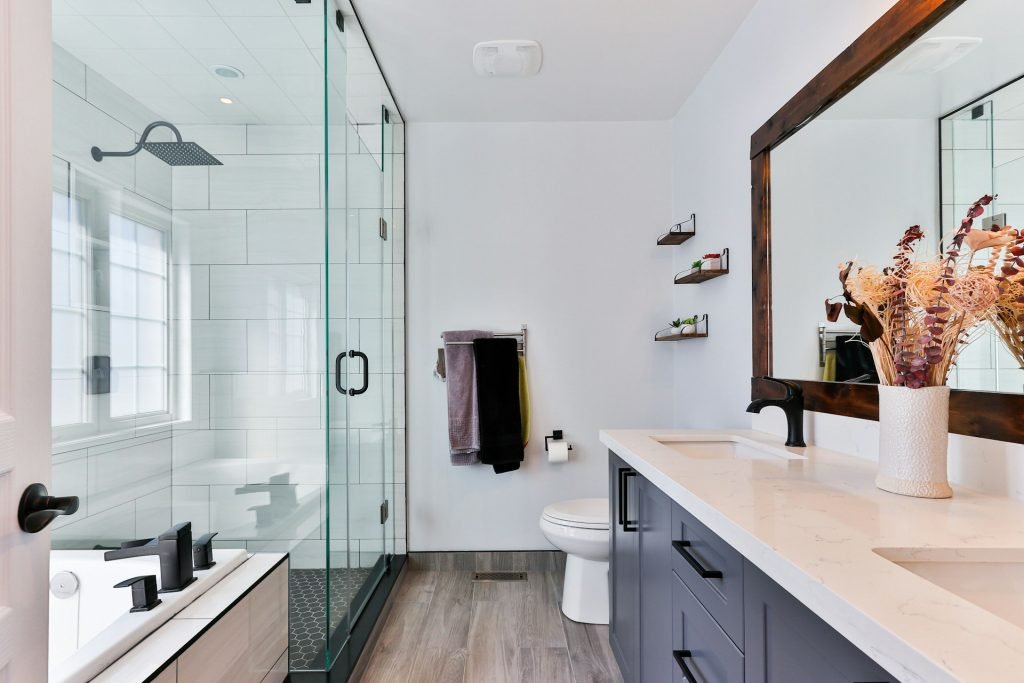
Zeavola toilets are a go-to choice for many, thanks to their sleek design and dependable function. Whether you’re after a modern feel or something more practical, these toilets hold up well with everyday use. But like any household fixture, even the best toilets need some upkeep to keep running reliably. Looking after a Zeavola toilet doesn’t have to be stressful. Most small issues can be managed before they grow into bigger ones, simply by paying attention and doing a bit of regular care. A well-maintained toilet not only avoids problems like leaks or odours but also saves water and keeps things comfortable during daily use. Common Maintenance Issues With Zeavola Toilets Zeavola toilets are built with quality and durability in mind, but regular use still takes its toll over time. Delays in spotting problems can lead to worse issues down the track, so it pays to know what signs to watch for. Common problems include: – Leaks: Look for water pooling around the base or a slow drip into the bowl when it hasn’t been used. Worn seals, loose fittings or valve issues are often the culprits. – Weak or slow flush: If flushing doesn’t seem as strong as it used to be, you might have blocked jets or mineral build-up affecting the water flow. – Constant running: If the tank keeps filling long after flushes, a faulty flapper or fill valve could be letting water leak through. – Bad smells or stains: These often come from hidden build-up, old grime, or mineral residue that cleaning may have missed. Leaving these common issues unchecked can have long-term effects. For instance, a small leak might seem harmless at first but could lead to rot or mould if ignored. If flushing isn’t up to scratch, it can increase the risk of blockages. Even strange noises or odours might be early signs of trouble. One customer thought they’d need a costly toilet replacement due to flushing issues. Turned out the chain inside the cistern had just slipped off its hook. That quick fix saved them from a larger repair job. Early identification is key. If a problem keeps returning or slowly gets worse, it’s a good sign that it’s time to take a closer look. Step-By-Step Maintenance Guide Keeping your Zeavola toilet in prime condition doesn’t take much. A few easy checks now and then can help things run smoothly and avoid costly breakdowns. Here’s a simple maintenance plan to follow every few months: 1. Clean your toilet thoroughly inside and out. Use soft cleaners that won’t scratch or damage surfaces. Don’t forget underneath the rim, hinges, and down by the base. 2. Give it a test flush and listen closely. Strange noises, slow swirls or extended refill times mean something’s not quite right. 3. Check for water around the base. Even a light puddle could mean a seal is starting to break down. 4. Open the cistern lid and look inside. Make sure the flapper, chain, float, and fill valve are working as they should, with no cracks or stiffness. 5. Twist the shut-off valve to test if it turns easily. Dust or mineral deposits can clog this up over time and make it harder to use when needed. Some day-to-day habits also make a difference: – Stick to flushing toilet paper only. Even wipes marked as “flushable” can block up the pipes or shorten your toilet’s lifespan. – Every now and then, flush with a bucket of water. It gives a stronger push to clear minor buildup and helps if your water pressure is low. – Avoid drop-in bleach tablets. These can corrode the rubber parts inside the cistern, making them wear out sooner than expected. Simple as these routines may be, they go a long way to keeping things trouble-free. Regular checks make small maintenance jobs easier and stop issues from becoming something bigger. And if anything seems difficult to replace or adjust, it’s better to speak to a professional than risk damaging the system more. When to Call in the Professionals Some things are best left to the experts. While it might be tempting to fix problems yourself, certain situations often need specialist tools, parts or experience—especially with a complex system like a Zeavola toilet. Here are some clear signs that it’s time to call a professional: – Toilet flushes randomly or on its own – Water runs constantly and never seems to stop refilling – Water leaks near the floor keep coming back, even after tightening fittings – Replacement parts have been swapped more than once with no fix – Flushing power is weak, despite clean jets and working valves These are often signs of worn components deep in the system, issues behind the wall, or plumbing faults that aren’t easy to access. Trying to fix them on your own can lead to misalignments, broken fittings or even more leaks. There’s also the added risk of hidden water damage. A loose pipe or a slightly incorrect install might not show signs right away, but it can cause expensive damage behind tiles or walls. Professional maintenance means the toilet is not only fixed properly but tuned to work better over time. Many faults can be corrected quickly when handled by someone who understands how the system operates. That kind of reliable support gives peace of mind, especially for everyday fixtures like toilets that are used multiple times a day. Keeping Your Zeavola Toilet in Top Shape Once you’ve sorted any issues and everything seems to be working fine, it helps to keep your maintenance routine going. Small, regular checks mean you won’t get caught out when you least expect it. Here are a few easy tips to help your Zeavola toilet stay in great condition: – Wipe the toilet’s exterior each week to take care of dust, smudges and any surface grime – Check under the seat and around hinge areas for sneaky dirt build-up – Use safe toilet cleaners that protect your finishes and don’t wear away
Professional Guide to Bathroom Cabinet Organisation
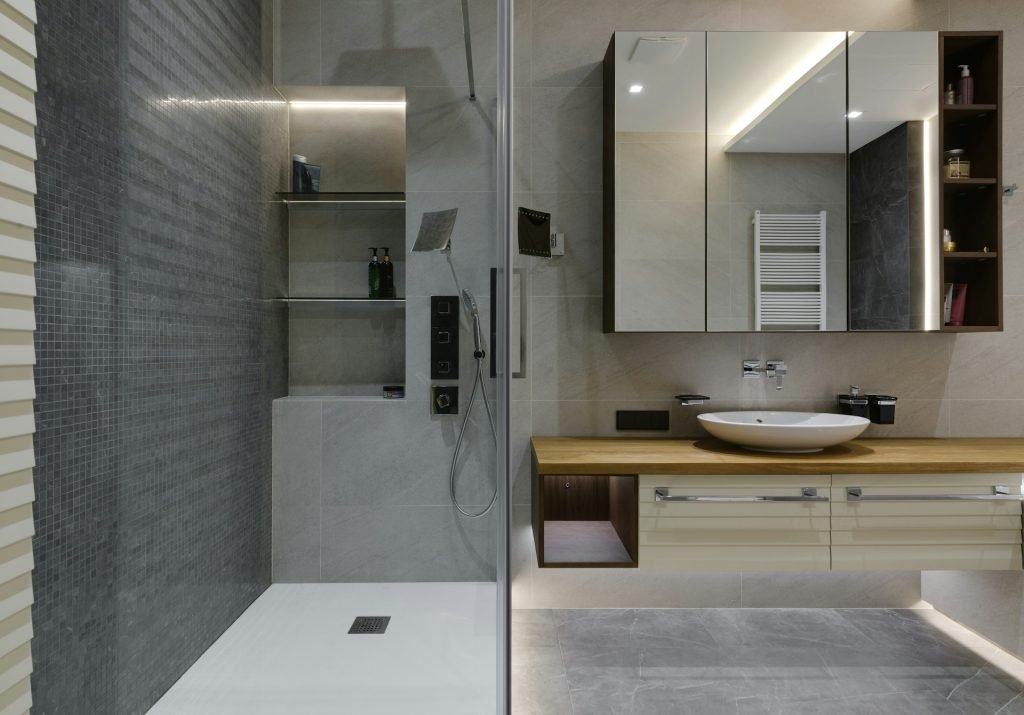
An organised bathroom cabinet can make mornings run smoother and keep the space looking clean and inviting. When everything is where it should be, you won’t waste time rummaging for toothpaste or knocking over bottles to get to your moisturiser. With clear surfaces and neat shelves, your bathroom starts to feel like a place you actually want to be in, not one you need to battle with. Shave cabinets are a smart add-on for this sort of setup. Not only do they blend storage and style, they also make use of wall space that often goes unused. These wall-mounted cabinets usually sit above the basin, keeping everyday products right where you need them. Now let’s take a look at how to properly set up your bathroom storage so your mornings feel less cluttered and a lot more relaxed. Assessing Your Storage Needs Before you do anything else, take a good look at what you’re actually keeping in your bathroom. Cabinets often end up filled with half-used items, expired products, or things that simply don’t belong. By starting with a clean-out, you can see what you really use and get rid of what you don’t need. Start with these steps: 1. Open all your bathroom cabinets, drawers and shelves. Pull everything out and place it on the bench or floor. 2. Toss out anything that’s expired, broken, or hasn’t been used in months. This includes old skincare, dried-out cosmetics, and random empty containers. 3. Sort what’s left into categories based on function: skincare, haircare, dental, first aid and so on. 4. Separate items used daily from those used occasionally. Keep your daily-use products more accessible. An example of how this helps might be finding out you’ve got four half-used moisturisers. By grouping them together, you can finish what you already have instead of buying more and wasting space. It’s also good to ask: who is using the bathroom? If it’s a shared space, you’ll need clear zones for each person. Kids might need their own sections at eye level, while shared items like extra toilet paper or towels can go higher up or in deeper storage. Once you’ve narrowed down what actually belongs, you’re ready to look at how to store everything more efficiently. Effective Storage Solutions Now that you’ve sorted out what stays, the key is storing it in a way that makes sense and saves space. This is where good cabinet structure matters. Whether you’re working with under-sink space, drawers or shave cabinets for bathrooms, the goal is to make each one work harder for you. Start with compartmentalisation. It’s easier to keep things clean and ordered when everything has a set place. Store items of the same type together, and create zones that suit your habits. For example: – Top shelves can hold backup products that you don’t use every day. – Middle shelves are ideal for daily-use items like facial cleansers, razors and toothbrushes. – Lower shelves or inside drawers can hold bulkier items like towels or hair tools. Shave cabinets help especially if benchtop space is tight. These wall-mounted cabinets not only give you extra storage at face height, but they also keep your basin clutter-free. Many styles even come with mirrored fronts for double function. You might also look at stackable containers or drawer dividers to make more room inside older cabinets. Lazy susans or pull-out organisers can make deep shelves easier to access. When every item has a home, the chances of losing track of things drops, and cleaning becomes faster too. Organisational Tips And Tricks Once your storage solutions are in place, it’s all about keeping things tidy and easy to use. A clear cabinet layout is only helpful if it stays that way. Grouping similar items and giving each type its own spot will cut down on mess and make your daily routine simpler. Try these practical tips: – Store like items together, like all hair products in one section, facial products in another. – Place items used together near each other. For example, keep your face wash, moisturiser and sunscreen in one small basket. – Use clear labels if you’ve got containers or baskets. Even if it feels obvious now, labels help when sharing space with others or trying to keep track during a morning rush. – Smaller trays or baskets work well inside larger shelves or deep cupboards. They stop items from tipping over or spreading out, which can make it harder to find things. – If you’ve got a deep shave cabinet, shelve dividers will help you avoid wasting space between layers. Think about height and access too. Things you reach for every day should be front and centre, while rarely used products can go to the top corners. If kids use the space, pop their items in the lower cupboard and keep sharp or breakable things higher up. Even one extra trick, like a magnetic strip inside your cabinet door to hold tweezers or nail scissors, can make a surprising difference. A more thoughtful layout stops clutter from creeping back and turns your bathroom into a space that works properly, not just looks good. Maintaining Cabinet Organisation After all your hard work, the last thing you want is for the chaos to return. Keeping your bathroom cabinets tidy isn’t hard if you build it into your regular routine. A quick scan every few weeks can be enough to stop clutter from sneaking back in. Make it part of your habits. For instance: – Wipe down shelves and drawers when you clean the bathroom. – Do a quick stocktake monthly. Remove empty containers or items you’ve stopped using. – Check expiry dates every few months, especially for old makeup, medication or sunscreen. – Each season, do a bigger clean-out, switching out any products based on your current needs like warmer weather skincare in spring or winter-heavy moisturisers. – If you add a new product or tool, rethink where it should live. Rearranging a little bit along the way